 ultimate-guide
Why Use a Real Estate Agent for Your First Home Purchase
Table of Contents
- What Does a Buyer's Agent Do for the Buyer
- Why a Real Estate Agent Matters for First-Time Home Buyers
- Navigating Purchase Agreements and Closing Costs
- Real Estate Agent Commission Structure for Buyers
- First Time Home Buyer Agent Interview Questions to Ask
- How to Find a Patient Realtor for Buyers
- Avoiding Common First-Time Buyer Mistakes
- Conclusion
- Frequently Asked Questions
Last Updated: September 1, 2026
What Does a Buyer's Agent Do for the Buyer
A buyer's agent represents your interests exclusively during the home purchase process, acting as your fiduciary, meaning they're legally bound to prioritize your needs over their own financial gain. They search listings, schedule showings, conduct preliminary evaluations, and guide you through every step of the transaction.

Your agent translates the complexity of real estate into actionable steps. They provide market analysis so you understand whether asking prices align with actual values. When making an offer, they structure it strategically, timing, contingencies, earnest money, to maximize your chances of winning without overcommitting. They manage negotiations, coordinate with lenders and title companies, ensure contingencies are met on schedule, and flag issues before they become problems. This coordination helps prevent deals from falling apart at the last minute.
Why a Real Estate Agent Matters for First-Time Home Buyers
First-time home buyers face a unique challenge: making one of the largest financial decisions of your life in an unfamiliar system, often under time pressure. A real estate agent isn't a luxury; it's a practical necessity that protects your interests.
First, agents provide information asymmetry protection. Sellers and their agents understand local market values, neighborhood trends, and property red flags. Your agent levels the playing field by providing comparable sales data, market trends, and honest assessments of fair offer prices.
Second, agents ensure contractual protection. Purchase agreements contain dozens of contingency clauses and legal obligations. Your agent ensures contingencies are properly structured, home inspection, appraisal, financing, so you have legitimate exit ramps if problems arise.
Third, agents prevent emotional overpaying. In competitive markets, offers without professional representation often lose. Your agent keeps you anchored to what the property is actually worth and what you can afford.
Fourth, agents manage coordination complexity. Between your lender, title company, inspector, appraiser, and seller's agent, multiple moving parts must align for closing. Your agent manages this timeline and prevents last-minute surprises.
Navigating Purchase Agreements and Closing Costs
A purchase agreement is a legally binding contract outlining offer terms, price, contingencies, earnest money, and closing timeline. Your agent walks you through each section so you understand what you're signing.
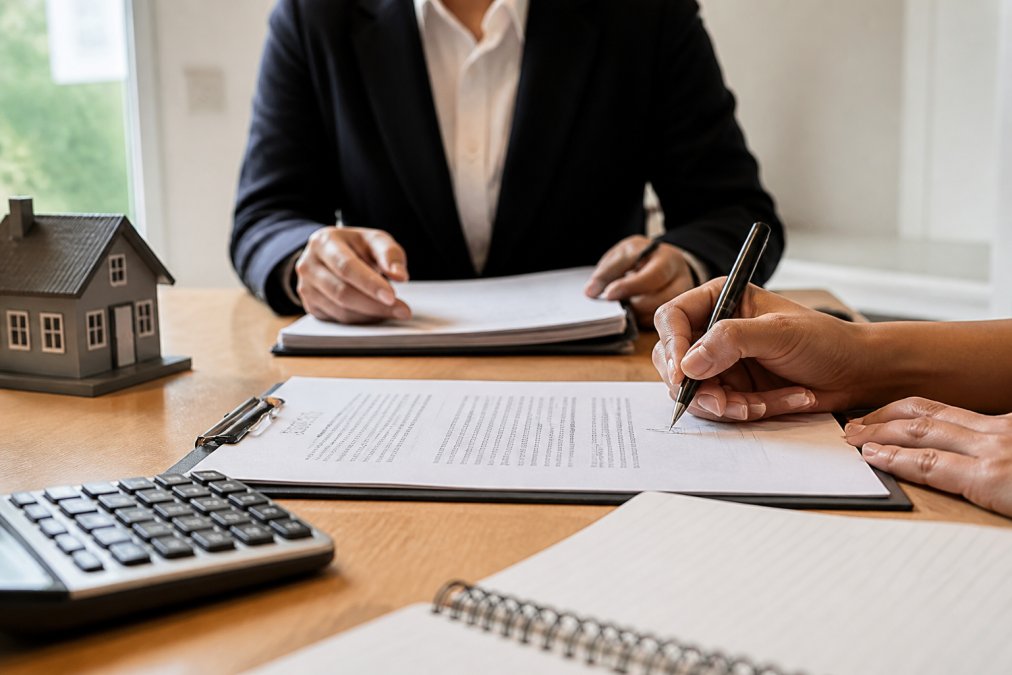
Key sections include offer price, earnest money deposit (typically 1-3% of purchase price), contingencies, and closing date (consumerfinance.gov). Your agent ensures contingencies are ironclad, home inspection, financing, and appraisal contingencies are standard protections giving you legitimate reasons to walk away if needed.
Closing costs typically run 2-5% of the purchase price and include title insurance, appraisal fees, lender fees, attorney fees, property taxes, and homeowners insurance (consumerfinance.gov). Your agent reviews the closing disclosure before closing day so there are no surprises and helps you understand what's negotiable. In many markets, sellers cover part of the buyer's closing costs as part of the offer structure.
Real Estate Agent Commission Structure for Buyers
Traditionally, the seller pays the entire commission, typically 5-6% of the sale price, split between the seller's agent and the buyer's agent (nar.realtor). This means you don't write a separate check to your agent; the commission comes from the seller's proceeds.
Following recent commission lawsuits, the traditional commission-sharing structure has become more flexible. In some markets, buyers now negotiate commissions directly with their agents. For first-time buyers, the key insight is that your agent's commission is typically already factored into the seller's asking price. This means using an agent costs you nothing out of pocket in most transactions.
It's reasonable to ask your agent upfront what their commission structure is. Some agents work on a percentage basis, others on a flat fee, and some on a hybrid model. Bernie Krause believes in clear communication about how commissions work so clients understand the value they're receiving.
First Time Home Buyer Agent Interview Questions to Ask
Choosing the right agent is as important as choosing the right property. Interview multiple agents and ask specific questions that reveal their experience, market knowledge, and approach to working with first-time buyers.
Ask about market knowledge: "How long have you been working in this market?" "What neighborhoods do you know best?" "Can you walk me through recent sales in the neighborhoods I'm interested in?" A strong agent can speak specifically about market trends and neighborhood characteristics.
Ask about first-time buyer experience: "How many first-time buyers have you represented in the last year?" "What common mistakes do you see first-time buyers make, and how do you prevent them?" These questions reveal whether they have patience for the learning curve.
Ask about process and communication: "How will you keep me updated?" "What's your response time to calls and emails?" "Will you personally show me homes?" You need an agent who's accessible and responsive, especially during stressful moments.
Ask about negotiation strategy: "How do you approach making an offer in a competitive market?" "Can you give me an example of a negotiation where you saved a client money?" A good agent can articulate their strategy clearly.
Finally, ask about their local network: "Which lenders and title companies do you work with regularly?" "Can you recommend an attorney if needed?" A well-connected agent saves you time by having trusted professionals to refer.
How to Find a Patient Realtor for Buyers
Finding a patient realtor requires more than a quick Google search. You're looking for someone who takes time to understand your needs, educates you throughout the process, and doesn't rush you toward decisions you're not ready to make.
Start by asking for referrals from people you trust, friends, family, colleagues who've recently purchased homes. Ask them specifically about their agent's patience and responsiveness. Personal referrals are more reliable than online reviews.
Use online resources to research agents in your market. Look at their transaction history, client reviews, and how they present themselves. An agent who specializes in first-time buyers or emphasizes patience and education is likely a better fit than one focused purely on volume.
Interview multiple agents before committing. During consultations, pay attention to whether they listen more than they talk. A good agent asks questions about your timeline, budget, must-haves, and concerns.
Watch for red flags. If an agent pressures you to get pre-approved immediately, pushes you toward properties outside your budget, or dismisses your concerns, move on. The right agent-buyer relationship is built on trust and transparency.
Avoiding Common First-Time Buyer Mistakes
First-time home buyers make predictable mistakes that cost money or result in buying the wrong property.
The first mistake is getting emotionally attached before understanding the market. Your agent keeps you grounded in market data and encourages you to complete all contingencies.
The second mistake is not getting pre-approved for a mortgage before making offers. Pre-approval shows sellers you're serious and gives you certainty about your budget. Your agent should require pre-approval before showing homes.
The third mistake is misunderstanding contingencies. A home inspection contingency means you can only walk away if the inspection reveals significant defects. Your agent clarifies what contingencies actually protect you.
The fourth mistake is not reviewing the appraisal carefully. If the appraisal comes in below your offer price, you have an appraisal gap. Your agent explains appraisal contingencies upfront so you understand this risk.
The fifth mistake is rushing the closing process. Your agent ensures you review all closing documents carefully and understand every line item before signing.
The sixth mistake is not understanding local market conditions. Your agent explains whether it's a seller's or buyer's market and adjusts strategy accordingly.
Conclusion
Working with a real estate agent for first home purchases protects your interests and ensures an informed decision. The complexity of purchase agreements, closing costs, contingencies, and market negotiation is too high to navigate alone. A patient realtor translates this complexity into clear steps, coordinates moving parts, and keeps you focused on your actual goals rather than competitive emotion.
Bernie Krause specializes in helping first-time buyers navigate the East Valley market with patience, transparency, and local expertise. Bernie Krause guides you through purchase agreement language, explains closing costs clearly, coordinates with lenders and title companies, and ensures you're making decisions based on market data, not emotion. Ready to find your next home with confidence? Reach out to Bernie Krause today.
Frequently Asked Questions
Should I use a real estate agent when buying a house?
Yes, especially for first-time buyers. A buyer's agent handles market research, property showings, negotiation strategy, and paperwork management, tasks that can overwhelm inexperienced buyers. They have access to property listings, understand local market trends, and represent your interests throughout the transaction. Since the seller typically pays both agents' commissions, you don't pay extra to have representation.
Do first-time homebuyers need a realtor?
While not legally required, a real estate agent is highly valuable for first-time buyers. Agents guide you through contingency clauses, home inspections, appraisal gaps, and title insurance, areas where mistakes can cost thousands. They provide fiduciary duty protection, meaning they're legally obligated to act in your best interest. An agent also helps you understand earnest money requirements, pre-approval letters, and closing processes that vary by market.
How does a buyer's agent get paid?
The seller's listing agent and the buyer's agent typically split a commission set by the seller (usually 5-6% of the sale price). This commission comes from the seller's proceeds, not from the buyer. The buyer's agent earns their portion by representing you in the transaction. This arrangement means you can access professional representation without out-of-pocket agent fees.
What should I look for when interviewing a potential buyer's agent?
Ask about their experience with first-time buyers, local market expertise, negotiation track record, and how they stay available during your search. Request references from recent clients. Discuss their approach to handling contingencies, managing inspections, and coordinating with lenders and title companies. A patient realtor should explain processes clearly, answer questions without rushing, and prioritize your needs over quick closings.
This article was written using GrandRanker