 ultimate-guide
New Construction Homes East Valley Arizona: 2026 Guide
Table of Contents
- Why Buyers Are Choosing New Construction Homes in the East Valley
- Benefits of Buying New Construction
- Buying New Construction With a Realtor: Why Representation Matters
- Floor Plans, Upgrades, and Lot Premiums: What Drives Your Final Price
- Your New Construction Home Walkthrough Checklist
- Timeline Expectations: From Contract to Closing
- HOA Fees, Special Assessments, and Property Tax Questions
- Frequently Asked Questions
Last Updated: October 2, 2026
Why Buyers Are Choosing New Construction Homes in the East Valley
New construction homes in East Valley Arizona have become the default choice for a growing share of buyers, and the reasoning is straightforward: you get a home built to current codes, a warranty, and a layout designed for how people actually live now. In this guide from Bernie Krause, we break down what buyers need to know before signing a builder contract, from incentives and lot premiums to inspection nuances.
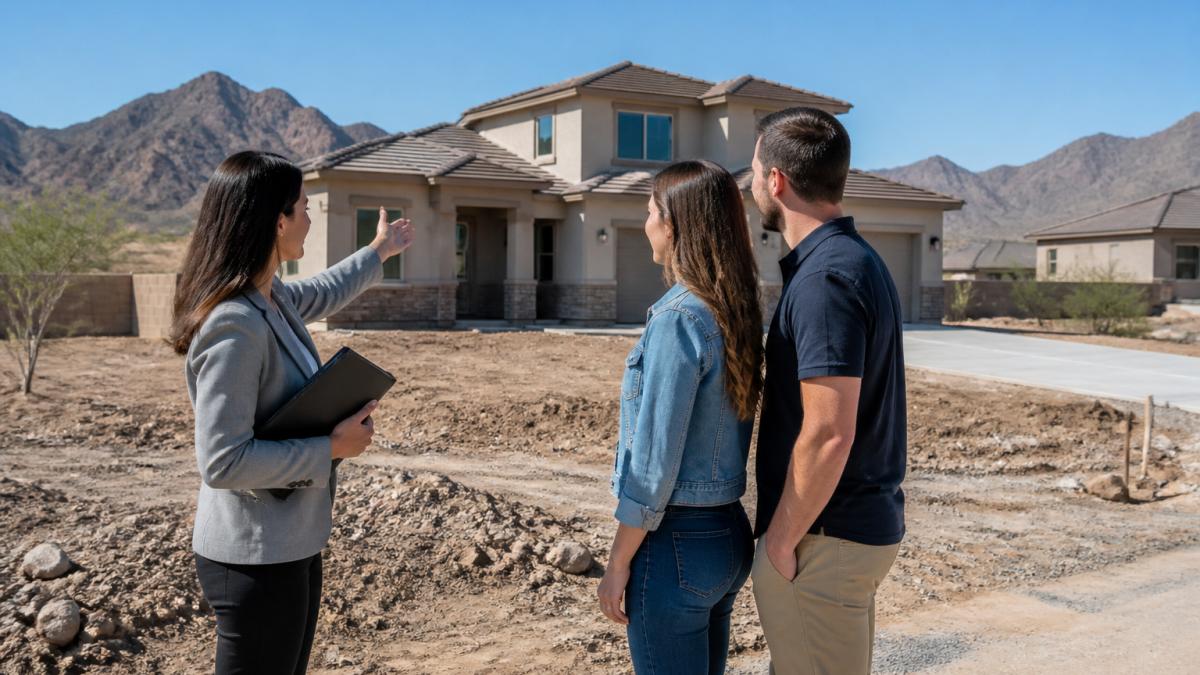
The shift toward new builds isn't just about aesthetics. Resale inventory in desirable East Valley neighborhoods stays tight, and when a well-maintained resale does hit the market, it often draws multiple offers within days. New construction sidesteps that competition entirely. You're not bidding against ten other families. You're choosing a plan, a lot, and a timeline.
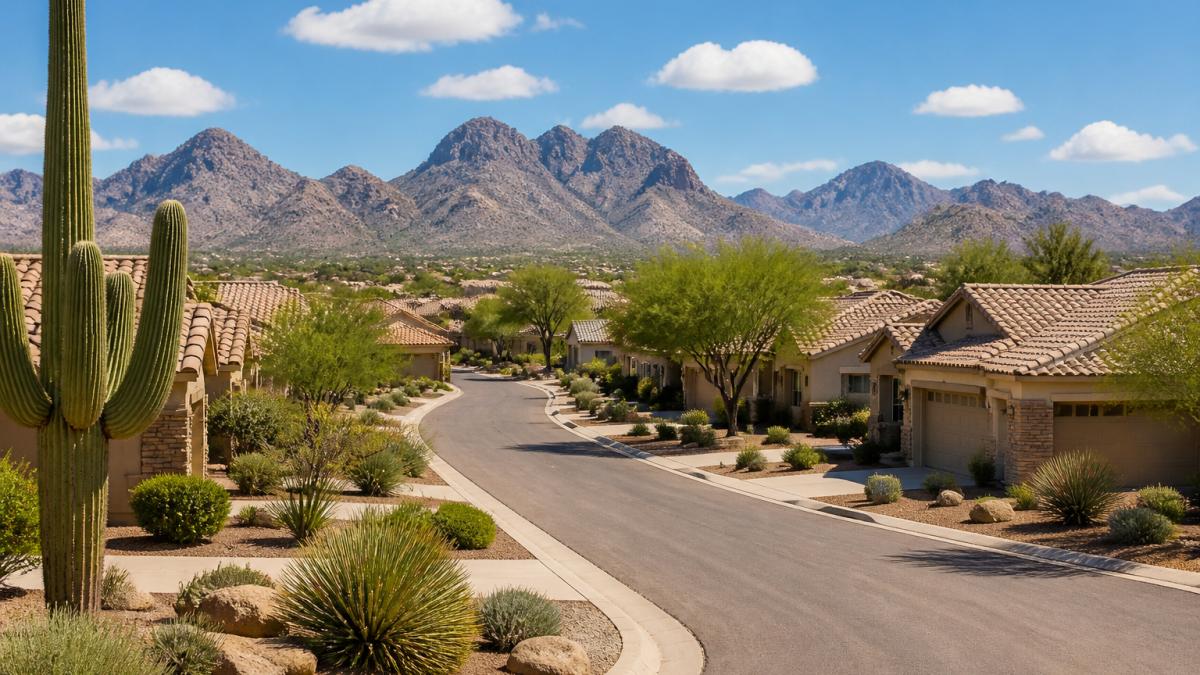
East Valley Communities: Mesa, Gilbert, Chandler, and Queen Creek
Each city in the East Valley offers a different mix of new construction. Mesa tends to have the widest range of price points and the largest number of active subdivisions. Gilbert draws buyers who want established amenities alongside newer phases.
The trade-off is commute distance. Queen Creek sits farther from central Phoenix, and buyers who prioritize a short drive to work often accept a smaller lot in Mesa or Chandler instead.
Master-Planned Communities and What They Include
A master-planned community is a large-scale development where residential, recreational, and sometimes commercial spaces are designed together from the start. These communities typically include shared amenities like pools, trails, parks, and community centers, all governed by a homeowner association.
What most buyers don't realize is that amenity quality varies enormously between builders. Some communities deliver on every promise in the brochure. Others phase amenities in over many years, and early residents pay HOA dues long before the pool exists.
Benefits of Buying New Construction
The benefits of buying new construction come down to three things: warranty coverage, modern building standards, and the ability to choose finishes before anyone else has lived in the home.
Energy-efficient features are standard in most new builds now, from better insulation to dual-pane windows and high-efficiency HVAC systems. Smart home technology packages are increasingly included rather than optional. And because you're the first owner, there's no deferred maintenance waiting to surface.
The honest limitation: new doesn't mean flawless. Builder-grade materials in base packages are chosen for cost, not longevity. Upgrading countertops, flooring, and fixtures through the builder is convenient but almost always costs more than doing it yourself after closing.
Buying New Construction With a Realtor: Why Representation Matters
Buying new construction with a realtor costs you nothing in most cases, because the builder pays the buyer's agent commission from their marketing budget. What it gets you is someone whose job is to protect your interests, not the builder's.
Here's the part most buyers get wrong: the sales agent sitting in the model home works for the builder. They are friendly, knowledgeable, and genuinely helpful, but they represent the seller.
A buyer's agent reviews the contract for clauses that favor the builder, questions upgrade pricing, and tracks deadlines you're contractually obligated to meet. At Bernie Krause, we help clients avoid pitfalls like missing a design center appointment window buried in the paperwork.
Builder Incentives, Concessions, and Interest Rate Buydowns
Builder incentives are the single most negotiable part of a new construction purchase, and they change constantly. Common concessions include closing cost credits, upgraded finish packages, and interest rate buydowns that lower your monthly payment for the first few years.
An interest rate buydown works by prepaying points to reduce your rate, either permanently or on a temporary schedule.
That answer depends on how long you plan to stay. If you're selling in three years, a permanent price cut usually wins. If you're staying a decade, a permanent rate buydown can save far more over the life of the loan.
Floor Plans, Upgrades, and Lot Premiums: What Drives Your Final Price
The base price on a builder's website is rarely the price you'll pay. Three factors move the final number: the floor plan you choose, the structural and finish upgrades you add, and the lot premium for your homesite.
| Cost Factor | What It Covers | Negotiability |
|---|---|---|
| Base floor plan | Square footage, standard layout | Low |
| Structural options | Bedroom additions, extended patios | Low |
| Finish upgrades | Flooring, countertops, cabinets | Moderate |
| Lot premium | View, corner, or oversized lot | Moderate |
| Closing cost credits | Lender and title fees | High |
Lot premiums deserve special attention. A premium lot with a mountain view or greenbelt access can add meaningful cost, and that cost doesn't always translate into resale value. Ask yourself whether you're paying for a view you'll actually use daily or one you'll notice twice a month.
Your New Construction Home Walkthrough Checklist
A new construction home walkthrough checklist is your last line of defense before closing, and it matters more than it does on a resale purchase. Use this list at your orientation and final walkthrough:
- Test every outlet, switch, and light fixture
- Run all faucets, check for slow drains and leaks under sinks
- Open and close every window, door, and cabinet
- Check tile grout lines and caulking in wet areas
- Verify appliance models match your contract
- Inspect exterior grading for proper drainage away from the foundation
- Confirm all agreed upgrades are installed
- Photograph every issue and submit in writing
Inspection Nuances in New Builds
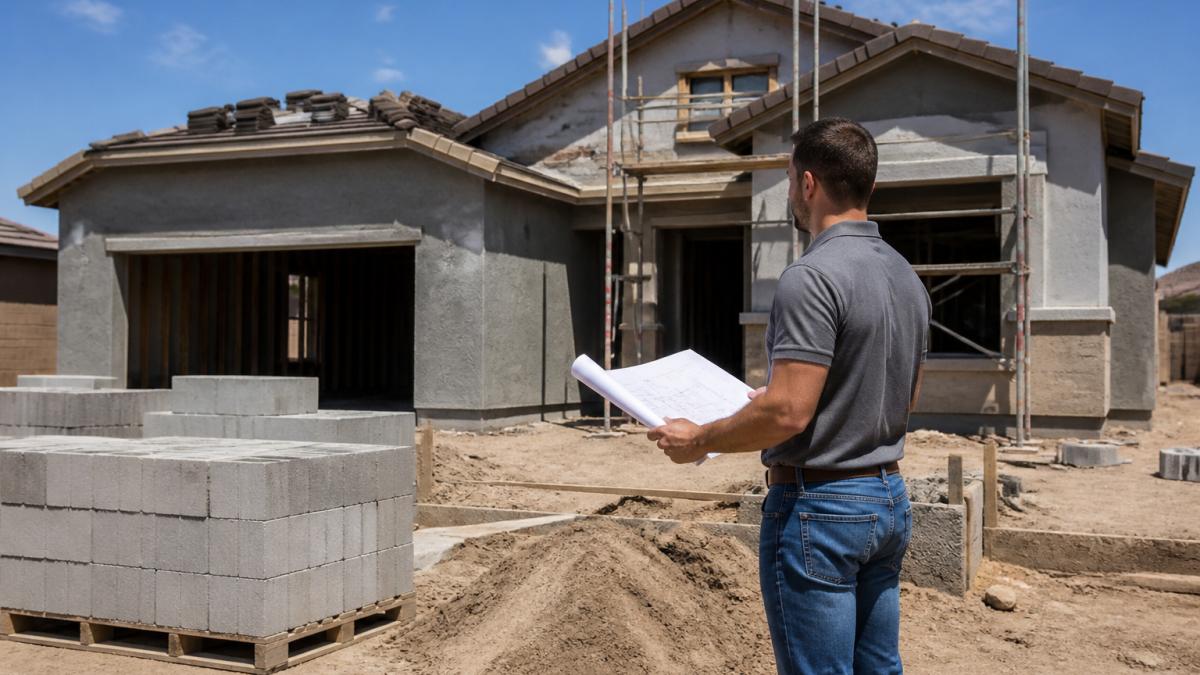
New construction inspections differ from resale inspections in ways that catch buyers off guard. A standard home inspection happens once. A new build benefits from at least two: a pre-drywall inspection before insulation goes in, and a final inspection before closing.
The pre-drywall phase is your only chance to see framing, electrical rough-in, and plumbing before it's sealed behind walls. Problems found at this stage cost the builder almost nothing to fix.
Homes also settle during the first year. Minor cracks in drywall and grout are normal, and your new home warranty typically covers them during the first-year service period. Document everything and submit warranty requests in writing.
Timeline Expectations: From Contract to Closing
Construction timeline expectations run longer than most buyers anticipate. A move-in ready home can close in weeks. A to-be-built home typically takes several months from contract to keys, and that timeline shifts with permit processing, material availability, and weather.
Three dates matter most in your contract: the design center deadline, the pre-drywall walkthrough, and the estimated completion window. Miss the design deadline and you may lose your upgrade selections. Miss the pre-drywall walkthrough and you lose your best inspection opportunity.
HOA Fees, Special Assessments, and Property Tax Questions
HOA fees and special assessments are the two costs buyers most often underestimate on new construction. Homeowner association dues cover shared amenities and common area maintenance, and they vary widely between communities.
Special assessments are a distinct issue. Some developments use community facilities districts or similar mechanisms to fund roads, parks, and utilities, and those appear as an additional line on your property tax bill.
Property tax assessments on new construction can also surprise buyers. The first year's tax bill often reflects the land value only, not the completed home. When the county reassesses, the bill rises.
Frequently Asked Questions
What are the benefits of buying a new construction home versus a resale?
New construction typically comes with a builder warranty, energy-efficient features, smart home technology prewired, and the chance to choose upgrades and finishes before move-in. You avoid inheriting someone else's maintenance backlog. The tradeoff is that you may pay a lot premium for a specific homesite and wait through a construction timeline instead of moving in immediately. Resale homes can close faster and sometimes sit in more established neighborhoods with mature landscaping.
Which cities make up the East Valley region in Arizona?
The East Valley generally includes Mesa, Gilbert, Chandler, Queen Creek, Tempe, Apache Junction, and parts of San Tan Valley. Each city has its own mix of master-planned communities, gated communities, and custom home builds. Gilbert and Chandler tend to draw families for schools, while Queen Creek and parts of Mesa offer more acreage and newer subdivisions. Your real estate agent can match your budget and commute to the right pocket.
What should I look for during a new construction home walkthrough?
Bring a printed checklist and test everything: outlets, faucets, windows, doors, appliances, and HVAC. Look for cracks in drywall, uneven flooring, paint touch-ups, and gaps around trim. Photograph any issue and note it in writing before signing off. Ask about the new home warranty terms and how to submit a service request. A third-party inspection before your final walkthrough often catches items a quick visual pass misses.
How long does it take to build a new home in the East Valley?
Move-in ready inventory can close in 30 to 45 days. A build from contract to closing often runs six to twelve months depending on the builder, floor plan complexity, permit timelines, and material availability. Pre-construction pricing and lot selection happen early, so ask your builder for a written construction timeline with milestones. Delays from weather, inspections, or supply chain issues can push the date, so keep some flexibility in your lease or sale plans.