 ultimate-guide
Why Home Inspections Matter When Selling in 2026
Table of Contents
- What a Pre-Listing Home Inspection Actually Covers
- Pre-Listing Home Inspection Benefits for Sellers
- Common Home Inspection Repair Requests That Kill Deals
- Negotiating Repairs After Inspection: Your use Points
- How Inspection Results Impact Price Negotiation and Concessions
- Legal Disclosure Requirements and Selling As-Is in 2026
- Conclusion
- Frequently Asked Questions
Last Updated: September 15, 2026
What a Pre-Listing Home Inspection Actually Covers
Home inspections performed before listing are a non-invasive visual examination of a property's major systems and components, done before the home goes on the market. We've watched sellers lose use because they listed first and learned about problems second.
The inspector walks the property top to bottom and documents what's visible and accessible. Here's what that means system by system:
- Structural integrity, foundation walls and slabs for cracks, settlement, and displacement; floor framing and joists for sagging, notching, or rot; load-bearing walls for alterations that removed support; visible evidence of past repairs. Inspectors note crack width and direction, because that distinction drives the buyer's reaction more than the crack itself.
- Roof condition, shingle granule loss, curling, and missing tabs; flashing at valleys, chimneys, and penetrations; gutter attachment and drainage slope; signs of active or past leaks in the attic sheathing. Inspectors report an estimated remaining service life rather than a pass/fail, so a roof with a few years left reads very differently to a buyer than one at end of life.
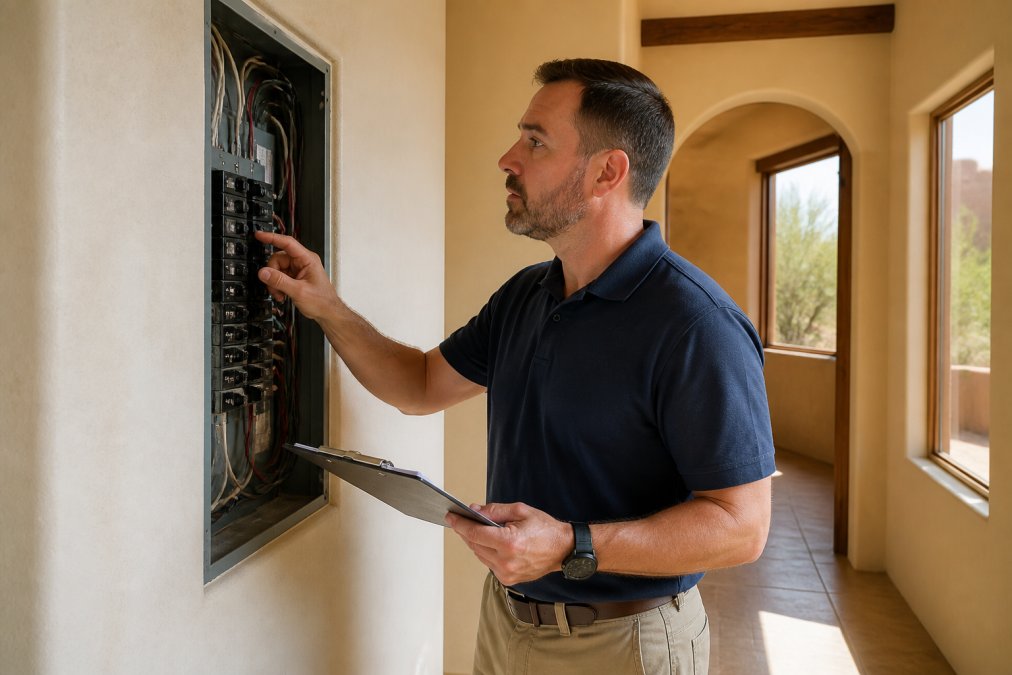
- Electrical safety, service panel capacity and brand, breaker labeling, double-tapped breakers, aluminum branch wiring, knob-and-tube remnants, GFCI protection in kitchens, baths, garages, and exteriors, and grounding and bonding of the service. These are frequently flagged because they are code-compliance issues, not just maintenance items.
- Plumbing systems, supply line material (copper, PEX, galvanized, polybutylene), drain and waste line condition, water heater age and relief valve, visible leaks and corrosion at fittings, water pressure, and functional drainage at every fixture. Inspectors run water at multiple fixtures simultaneously to check pressure drop.
- HVAC, furnace and air conditioner age, model and serial numbers, service records if available, ductwork condition and leakage, condensate drainage, and whether the system heats and cools on a normal cycle. Inspectors report the manufacture date because a unit past its typical service life becomes a negotiation item regardless of whether it currently runs.
Thermal imaging and moisture detection often supplement the visual walkthrough, catching hidden water intrusion before it becomes a buyer's bargaining chip. A moisture meter reading at a suspect wall gives the seller a documented starting point instead of a surprise.
The Non-Invasive Visual Examination Process
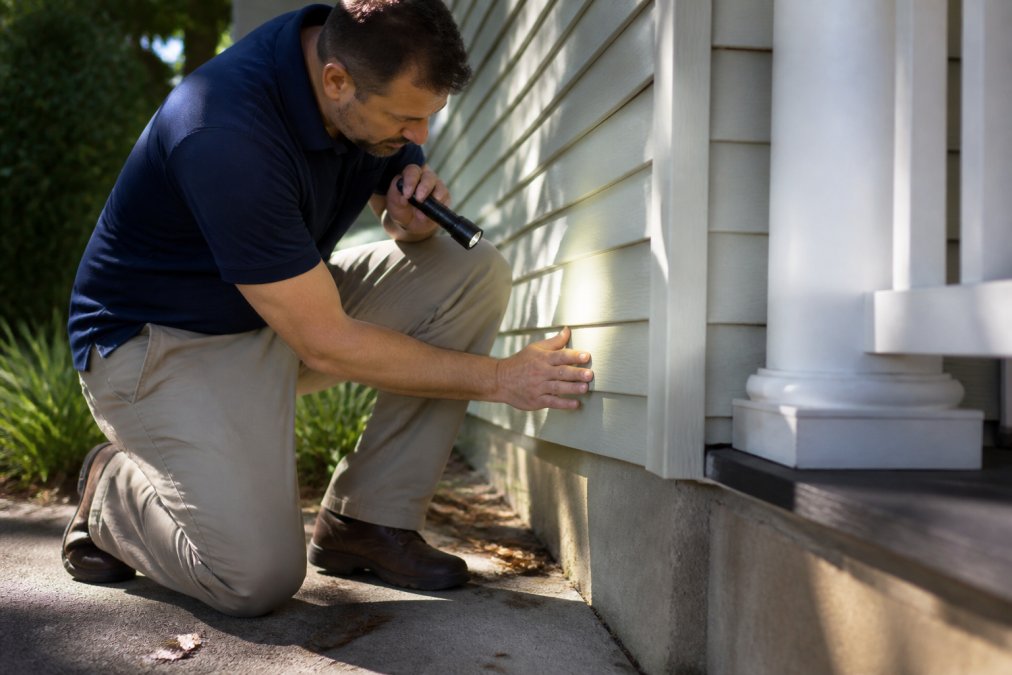
Inspectors don't tear into walls or dismantle equipment. They test what operates normally, photograph what looks wrong, and note what they can't access. The report reads like a maintenance history, not a demolition estimate.
Most inspections take two to four hours depending on square footage and age (What is a Home Inspection?). Sellers receive a written report, usually with photos, that becomes the working document for every repair decision that follows. A typical report organizes findings by system, rates each item by severity, and separates safety concerns from maintenance recommendations, buyers and their agents read the severity ratings first.
In 2026, a growing share of inspectors deliver that report through software that timestamps each photo, links findings to a specific location, and generates a summary page the buyer's agent can forward to a lender or appraiser. The practical effect: the report is harder to dispute and easier to act on.
Pre-Listing Home Inspection Benefits for Sellers
The core benefit of home inspections is simple: you find the problems first. A pre-listing home inspection converts unknowns into planned decisions, which changes how the transaction unfolds.
Here's what that looks like in practice:
- You repair defects on your timeline, often at lower cost than a rushed post-offer fix
- You disclose findings upfront, which builds buyer trust and reduces suspicion
- You price with accurate information instead of guessing at your home's condition
- You avoid the due diligence period becoming a renegotiation window
Avoiding Closing Friction and Reactive Negotiations
Most deals don't die from the inspection itself. They die from what happens after it.
When a buyer's inspector finds a failing HVAC system or a roof at the end of its life, the seller is suddenly negotiating from behind. The buyer has use, the clock is running, and every repair credit comes out of your net proceeds. Sellers who inspect first walk into that conversation holding the report, the receipts, and the timeline.
That's the difference between a planned concession and a reactive one. One is a line item. The other is a hostage negotiation.
Common Home Inspection Repair Requests That Kill Deals
The repair requests that sink transactions are rarely the expensive ones. They're the ones that signal deferred maintenance.
| Repair Request | Why It Kills Deals | Typical Seller Response |
|---|---|---|
| Roof at end of life | Buyer fears immediate replacement cost | Request credit or price reduction |
| Active moisture in crawlspace | Suggests hidden mold or structural rot | Demand remediation before closing |
| Ungrounded outlets | Safety hazard, code compliance issue | Ask for licensed electrician repair |
| Failing HVAC system | Signals neglected home maintenance history | Negotiate new system or credit |
| Foundation cracks with displacement | Raises structural integrity concerns | Walk away or demand engineering report |
A cracked foundation with displacement is the one that ends conversations. Hairline cracks from settling are common and manageable. Cracks with vertical movement, bowing walls, or water intrusion tell a buyer the home has a structural story you haven't told them.
Negotiating Repairs After Inspection: Your use Points
Negotiating repairs after inspection comes down to who holds better information. Sellers with a pre-listing report negotiate from a documented position. Sellers without one negotiate from suspicion.
Your real use points:
- Repair credits vs. completed repairs, completed repairs with receipts remove buyer doubt; credits let the buyer control the fix and often cost you more
- Contingency clauses, a buyer's inspection contingency gives them an exit; your pre-listing report narrows what they can legitimately demand
- Seller concessions, offering a defined credit is cleaner than reopening price, which resets appraisals and lender reviews
- Mitigation documentation, proof that moisture, radon, or pest issues were professionally remediated is worth more than a verbal promise
The seller's role is to stay ahead of the buyer's inspector, not argue with them. When your report already lists the same items, you're confirming facts instead of defending them.
How Inspection Results Impact Price Negotiation and Concessions
Inspection results impact price negotiation in two directions: they either shrink the buyer's ask or hand them a menu of demands.
A clean pre-listing report with documented repairs typically keeps the buyer's inspection contingency from becoming a second negotiation. A report with unaddressed defects invites the buyer to reopen price, request repair credits, or demand concessions that eat into your proceeds.
What most sellers miss is that the repair itself is often cheaper than the negotiation it prevents. A few hundred dollars to fix a leaking supply line is a rounding error next to a buyer demanding a credit for "potential water damage" they can't see.
Post-Inspection Repair ROI: Fix It or Credit It?
This decision separates a controlled sale from a renegotiation, and most guides skip it. The question is not whether a defect is expensive, it is whether fixing it before listing returns more than the credit a buyer would demand.
A useful way to sort findings:
- Safety and code items, ungrounded outlets, missing GFCI protection, a failed water heater relief valve, exposed wiring. These are cheap to fix relative to the leverage they give a buyer.
The Disclosure Risk Most Sellers Underestimate
Legal Disclosure Requirements and Selling As-Is in 2026
Conclusion
Frequently Asked Questions
What is the biggest red flag in a home inspection?
Structural issues top the list: foundation cracks wider than a quarter inch, sagging rooflines, and water intrusion in basements or crawl spaces. These problems are expensive to fix and often signal deeper issues. Electrical safety hazards like outdated wiring or a panel that cannot handle modern loads also scare buyers. In Arizona, HVAC certification and roof condition matter enormously because of the extreme heat. Any defect that threatens structural integrity or safety will give buyers significant leverage in negotiations.
Should I get a pre-listing inspection before putting my home on the market?
Yes, and the pre-listing home inspection benefits go beyond just knowing what is wrong. You control the narrative. You can fix issues on your timeline, get repair credits lined up before a buyer ever walks through, and present a home maintenance history that builds trust. Sellers who inspect first avoid the reactive negotiations that happen when a buyer's inspector finds surprises. You also reduce the chance of a deal falling apart during the due diligence period, which saves you months of lost market time.
How do inspection results impact final sale negotiations in 2026?
Inspection results give buyers a roadmap for requests. They may ask for seller concessions, repair credits, or specific remediation before closing. Sellers who already completed a pre-listing inspection can point to recent fixes and limit buyer leverage. In a market where transaction speed matters, unresolved inspection issues add weeks to closing. The seller who has documentation and receipts for completed repairs holds the stronger position at the negotiating table.
What are the most common home inspection repair requests?
HVAC certification issues, roof condition problems, electrical safety standards violations, and plumbing systems leaks top the list. Foundation assessment findings also generate frequent requests, especially in areas with expansive soil. Moisture detection in attics or under sinks leads to remediation asks. Sellers should prioritize repairs that affect safety hazards and building code compliance. Cosmetic issues rarely derail a sale, but structural and mechanical problems almost always trigger negotiation.