 how-to
Sell Your House While Living Out-of-State: Step-by-Step Guide
Table of Contents
- Step 1: Hire a Local Real Estate Agent to Manage the Sale
- Step 2: Set Up a Power of Attorney for Real Estate Closing
- Step 3: Prepare Your Home for Sale from a Distance
- Step 4: Coordinate Virtual Home Staging and Professional Photography
- Step 5: Complete a Selling a House Remotely Checklist
- Step 6: Manage Your Remote Real Estate Closing
- Step 7: Understand Tax Implications and Withholding Requirements
- Conclusion
Last Updated: August 14, 2026
Step 1: Hire a Local Real Estate Agent to Manage the Sale
Selling a house while living out-of-state requires someone on the ground who understands your local market and can manage showings, inspections, and negotiations in real time. A local real estate agent becomes your eyes, ears, and representative, handling the day-to-day logistics that make a remote sale possible.
When you hire a local agent, you're delegating critical responsibilities: coordinating with potential buyers, scheduling inspections, managing repair requests, and attending closing meetings. An agent familiar with your specific market area knows current pricing trends, buyer preferences, and what makes properties competitive in that neighborhood.
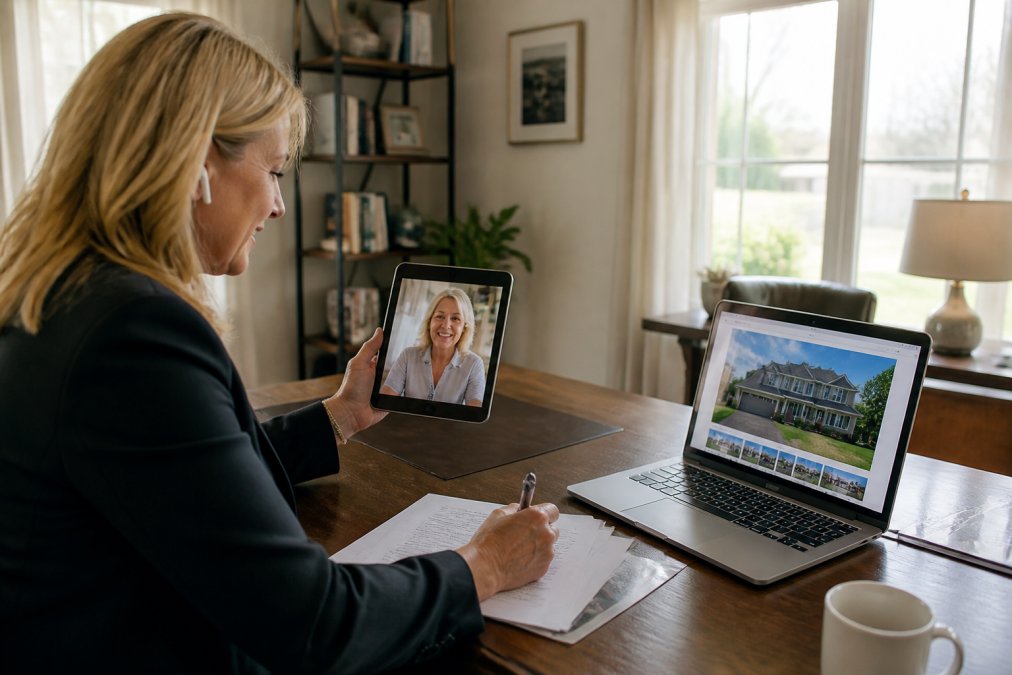
Bernie Krause specializes in helping clients navigate the East Valley real estate landscape, including those selling from a distance. Look for an agent with specific experience with remote sales. Ask directly: "Have you worked with out-of-state sellers before? How do you manage the process?" Request references from previous remote clients to verify they deliver on coordination.
Before signing a listing agreement, clarify the commission percentage and what services are included. Some agents offer concierge-level support for remote clients; others treat it as standard. The difference matters when you can't be physically present.
Step 2: Set Up a Power of Attorney for Real Estate Closing
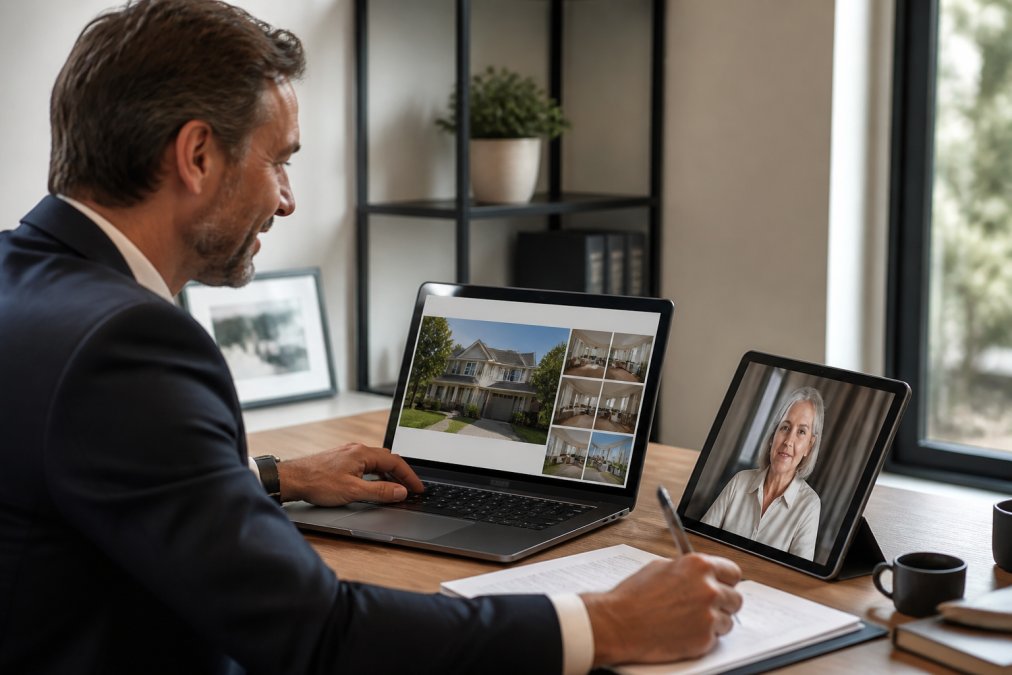
A power of attorney for real estate closing is a legal document that authorizes someone to act on your behalf during the sale transaction. This document gives your agent, a family member, or designated representative the legal authority to sign closing documents, handle wire transfers, and manage last-minute issues on your behalf.
To establish a power of attorney for real estate closing:
- Consult an attorney licensed in the state where the property is located. Real estate law varies by state, and your document must comply with local requirements.
- Specify exactly who holds the power of attorney and what actions they're authorized to take.
- Have the document notarized according to your state's requirements.
- Provide copies to your real estate agent, title company, and closing attorney before closing day.
Many states allow notarization via video call with a remote notary public. However, some states require in-person notarization for real estate documents. Confirm your state's requirements early, as this affects your timeline.
The title company will review your power of attorney during closing. If it's incomplete or doesn't meet state requirements, they'll reject it and request corrections, delaying closing. Working with a local attorney familiar with your state's specific rules is essential. Bernie Krause can recommend local attorneys who specialize in remote closings.
Step 3: Prepare Your Home for Sale from a Distance
Preparing a home for sale remotely requires clear communication, detailed property documentation, and trust in your local team.
Start by taking a comprehensive inventory of your home's condition. Document visible damage and note repairs needed before showing. Share this list with your agent and a local contractor who can assess what's necessary versus cosmetic. Prioritize repairs that affect the home inspection: roof leaks, foundation issues, electrical problems, and HVAC failures.
Curb appeal matters enormously, it's the first impression buyers get. Arrange for a landscaper to tidy the yard and a pressure washer to clean the exterior. Inside, focus on decluttering and deep cleaning. Remove personal items and excess furniture to make the space feel open.
For repairs, get multiple quotes from local contractors. Your agent can recommend trusted vendors. Document everything with photos and written reports. When you're not present, clear documentation protects you and helps you make informed decisions about what to fix and what to leave for buyer negotiation.
Step 4: Coordinate Virtual Home Staging and Professional Photography
Virtual staging and professional photography determine whether buyers schedule a showing. These visuals are critical for remote sales.
Professional photography is non-negotiable. Hire a photographer experienced with real estate listings who knows how to use lighting, angles, and composition to make rooms look spacious and appealing. Coordinate the photography session when the home is clean and well-organized.
Virtual staging is the digital process of adding furniture and décor to photos of empty rooms. If your home is vacant or sparsely furnished, virtual staging helps buyers visualize the space. It's less expensive than physical staging and works well for remote sales.
Request both standard photos and a virtual tour or video walkthrough. A 2-3 minute video walkthrough often generates more showing requests than photos alone. Review photos carefully before they go live and request reshoot of any that don't represent your home well.
Step 5: Complete a Selling a House Remotely Checklist
A selling a house remotely checklist keeps you organized and ensures nothing falls through the cracks.
| Task | Timeline | Responsibility |
|---|---|---|
| Hire local real estate agent | Week 1 | You + Agent |
| Set up power of attorney | Week 1-2 | You + Attorney |
| Prepare home for sale (repairs, cleaning) | Week 2-4 | Agent + Contractors |
| Schedule professional photography | Week 3 | Agent + Photographer |
| List property on MLS | Week 4 | Agent |
| Coordinate virtual showings | Ongoing | Agent |
| Manage inspection requests | Ongoing | Agent + Inspector |
| Review offers and negotiate | As offers arrive | You + Agent |
| Order home inspection | After offer accepted | Agent |
| Arrange appraisal | After offer accepted | Lender |
| Finalize repairs/credits | Week 6-7 | Agent + Contractors |
| Review closing disclosure | Week 8 | You + Closing Attorney |
| Coordinate remote closing | Week 8-9 | Closing Attorney + Notary |
Your agent should send you weekly updates during the listing period. You need to know how many showings you've had, what feedback you're receiving, and whether offers are coming in. Set up a system for rapid communication with your agent during the offer phase, email is too slow; text or phone calls work better when timing matters.
Once you accept an offer, the timeline accelerates. Stay engaged during this phase, as delays often happen when communication breaks down.
Step 6: Manage Your Remote Real Estate Closing
A remote real estate closing means signing closing documents without being physically present at the title company office. Digital signatures and remote notarization have made this increasingly common.
Your closing attorney or title company will send you a closing disclosure outlining final loan terms, down payment, closing costs, and net proceeds. Review this carefully and resolve any discrepancies before closing day.
Most closings now use digital signature platforms. You'll receive a link to access closing documents electronically, sign each document, and a remote notary public will witness your signatures via video call. This process typically takes 30-60 minutes.
Before closing day, confirm with your closing attorney:
- What documents you'll need to sign
- What time the closing is scheduled
- How you'll receive the digital signature link
- Whether a notary public will be on the call
- How the wire transfer will work
- When you'll receive the keys
On closing day, have your laptop or tablet charged and your internet connection tested. Have your identification ready; the notary will ask to see it on camera.
After you sign, the title company will record the deed transfer with the local government within 24-48 hours. Once recorded, the property officially belongs to the buyer. Your closing attorney will wire your net proceeds to your bank account, usually within 1-3 business days.
Coordinate with your agent about the final walkthrough. Your agent can represent you during this walkthrough, or it can be conducted with the buyer's agent present.
Step 7: Understand Tax Implications and Withholding Requirements
Selling a house generates tax consequences that vary based on your situation.
If you've lived in the home as your primary residence for at least 2 of the last 5 years, you may qualify for the primary residence exemption, allowing you to exclude up to $250,000 of capital gains ($500,000 if married filing jointly) from federal income tax.
Capital gains tax applies to your profit. If you bought the home for $300,000 and sell it for $400,000, your capital gain is $100,000. Long-term capital gains (property held more than one year) are taxed at favorable rates: 0%, 15%, or 20% depending on your income level.
For investment properties, you'll owe capital gains tax on the entire profit and may owe depreciation recapture tax on any depreciation claimed while renting.
For out-of-state sellers, state tax withholding may apply. Some states require the title company to withhold a percentage of your sale proceeds for state income tax purposes. The withholding requirement and percentage vary by state. Your closing attorney will inform you of any withholding that applies.
Consult a tax professional or CPA before closing. They can confirm whether you qualify for the primary residence exemption, calculate estimated capital gains tax, advise on state withholding requirements, identify deductible selling expenses, and help you plan for taxes owed. Bernie Krause can recommend local tax professionals familiar with out-of-state sales and state-specific withholding requirements.
Selling a house while living out-of-state is complex, but entirely manageable with the right team and clear systems. Start by hiring a local real estate agent with proven experience in remote sales. Set up a power of attorney early so you can sign documents remotely without delays. Prepare your home carefully, invest in professional photography, and stay organized with a detailed checklist.
When you reach closing, you'll have the documentation and systems in place to sign remotely and complete the sale from wherever you are. If you're selling property in the East Valley and need an agent who understands both the local market and the logistics of remote sales, Bernie Krause specializes in helping out-of-state sellers navigate this process. With experience selling properties across Chandler, Gilbert, Scottsdale, and surrounding areas, Bernie can manage the coordination, timing, and details that make a remote sale successful. Contact Bernie Krause today to discuss your sale and get started with a clear plan.
Frequently Asked Questions
Can I sell my house if I live in another state?
Yes, you can sell your house while living out-of-state. The key is hiring a local real estate agent who can handle showings, inspections, and repairs on your behalf. You'll also need to set up a power of attorney and arrange remote document signing through a notary public. Many sellers successfully complete transactions remotely by establishing clear communication with their listing agent and title company.
Do I need a power of attorney to sell a house remotely?
A power of attorney for real estate closing is highly recommended when selling from out-of-state. It allows your agent, attorney, or a trusted representative to sign documents and handle closing tasks on your behalf. While not always legally required, it simplifies the process significantly and prevents delays caused by coordinating signatures across distances. Consult your real estate attorney about whether a POA is necessary in your state.
What are the tax implications of selling a home while living out-of-state?
Tax implications depend on your situation. If the home is your primary residence, you may qualify for the capital gains exclusion (up to $250,000 for single filers, $500,000 for married couples). However, if you've moved out-of-state, FIRPTA (Foreign Investment in Real Property Tax Act) rules may apply, requiring withholding of 15% of the sale price. You'll also owe state taxes in the state where the property is located. Consult a tax professional to understand your specific obligations.
How do I handle home showings and inspections when I don't live there?
Your listing agent coordinates all showings and home inspections on your behalf. They'll schedule appointments, unlock the property, and be present during inspections. For repairs, you can authorize your agent or hire a local contractor to handle them. Virtual staging and professional photography eliminate the need for you to be present initially. Maintain regular communication with your agent via email and video calls to stay informed about showings, feedback, and repair progress.
This article was written using GrandRanker