 how-to
Sell Your Home from Out of State: A Step-by-Step Guide
Table of Contents
- Why Selling Your Home from Out of State Is Possible (But Requires Planning)
- Step 1: Understand the Market and Property Valuation Before You List
- Step 2: Hire a Listing Agent from Out of State
- Step 3: Prepare Your Home for Sale Without Being There
- Step 4: Manage Property Disclosures and Home Inspections Remotely
- Step 5: Navigate the Remote Home Closing Process
- Selling a House As-Is Remotely: When and How to Use This Strategy
- Common Mistakes Out-of-State Sellers Make
Last Updated: August 13, 2026
Why Selling Your Home from Out of State Is Possible (But Requires Planning)
Selling a home from out of state is entirely feasible in today's market. Remote sellers face distinct challenges: managing property inspections without being there, coordinating showings across time zones, handling disclosures accurately, and navigating a closing process you can't attend in person. Technology and professional support have made remote transactions routine. According to National Association of Realtors market data, a growing percentage of property transactions now involve out-of-state sellers who successfully close deals without stepping foot in the home during the listing period.
At Bernie Krause, we've guided numerous sellers through this exact situation. Whether you're relocating, managing an inherited property, or simply can't return to the East Valley, the fundamentals remain the same: hire the right agent, prepare your home strategically, and stay organized throughout the process. This guide walks you through each step so you can sell your home from out of state with confidence.
Step 1: Understand the Market and Property Valuation Before You List
Before listing, you need an accurate picture of what your home is worth. A comparative market analysis (CMA) is your foundation. This document shows recent sales of similar homes in your neighborhood, pending listings, and properties that didn't sell. Your agent pulls this data from the Multiple Listing Service (MLS) and compares homes by square footage, lot size, condition, and location.
Ask your agent for a detailed CMA that includes:
- Sales from the last 90 days in your immediate area
- Price per square foot trends
- Average days on market for comparable homes
- Homes that listed but didn't sell and why
- Current inventory levels
This information tells you whether it's a buyer's market (more homes for sale, lower prices) or a seller's market (fewer homes, higher prices). Your pricing strategy changes based on these conditions. In a competitive market, pricing slightly below market value can generate multiple offers. In a slower market, overpricing kills momentum immediately.
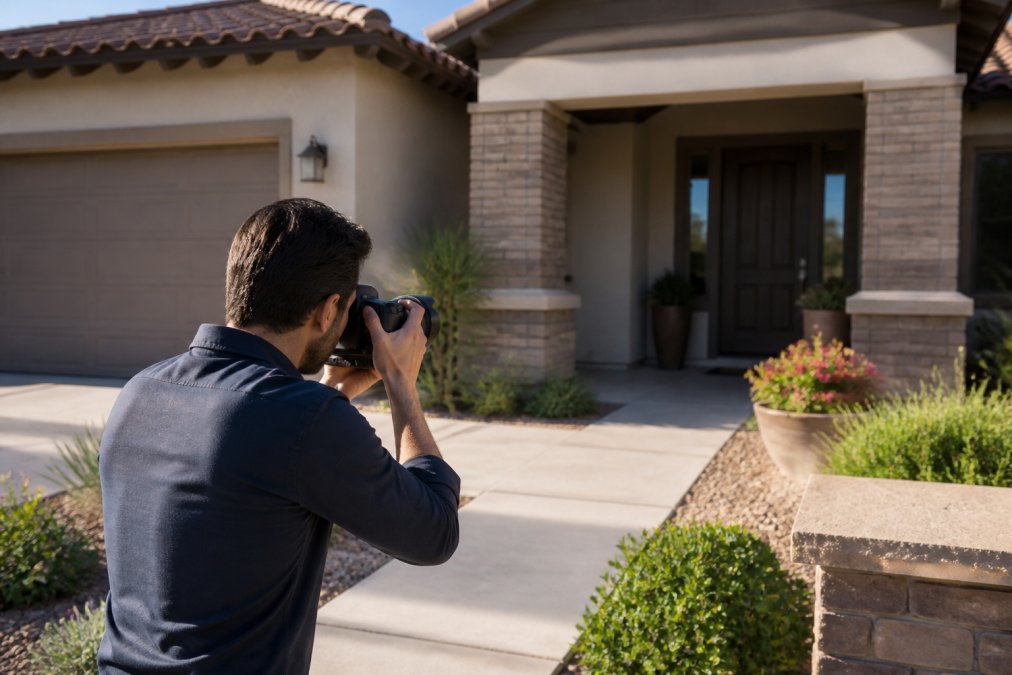
One mistake out-of-state sellers make is anchoring to the price they paid or what they think their home "should" be worth. The market only cares about comparable sales and buyer demand. If three similar homes sold for $425,000 last month and yours is priced at $475,000, you're fighting an uphill battle.
Step 2: Hire a Listing Agent from Out of State
Choosing the right agent is the single most important decision you'll make. This person becomes your eyes, ears, and representative for the entire process. For an out-of-state seller, an experienced local agent is essential.
When hiring a listing agent from out of state, prioritize these qualifications:
- Local market expertise: They should know your specific neighborhood, not just the broader Phoenix area. An agent who specializes in the East Valley understands Chandler, Gilbert, and Scottsdale market nuances that affect your sale price.
- Experience with remote transactions: Ask directly: "How many out-of-state sellers have you represented?" Their answer tells you whether they've solved the logistical challenges you'll face.
- Technology proficiency: They should use virtual tours, digital signatures, and remote coordination tools seamlessly.
- Communication style: You'll be managing this sale across time zones. Do they respond to emails and calls promptly?
- References from past clients: Ask for contact information from three sellers they've represented remotely.
Interview at least three agents before deciding. Don't choose based on commission rate alone; a skilled agent typically recovers their commission through better pricing and faster sales.
Bernie Krause specializes in East Valley sales and regularly represents out-of-state sellers.
Step 3: Prepare Your Home for Sale Without Being There
Your home's presentation directly impacts its sale price. Buyers form opinions in the first 10 seconds of walking through the front door.
Start with a professional home inspection. Hire an independent inspector to identify needed repairs. This costs $300-500 but prevents surprises during the buyer's inspection later.
Curb appeal matters enormously. Focus your efforts here:
- Pressure wash the exterior and driveway
- Trim overgrown landscaping
- Plant fresh flowers or mulch in front beds
- Ensure the front door is clean and the entry is inviting
- Fix any visible damage: broken shutters, peeling paint, cracked walkways
Your agent can hire a local contractor to handle these tasks and send you photos.
Inside the home, staging creates emotional connection. Key staging principles:
- Declutter every room and remove personal items
- Depersonalize by taking down family photos and religious items
- Clean obsessively
- Maximize space by arranging furniture to make rooms feel larger
- Neutralize colors with fresh paint in neutral tones if needed
For out-of-state sellers, hire a professional stager. The investment typically returns 5-10 times over through a higher sale price.
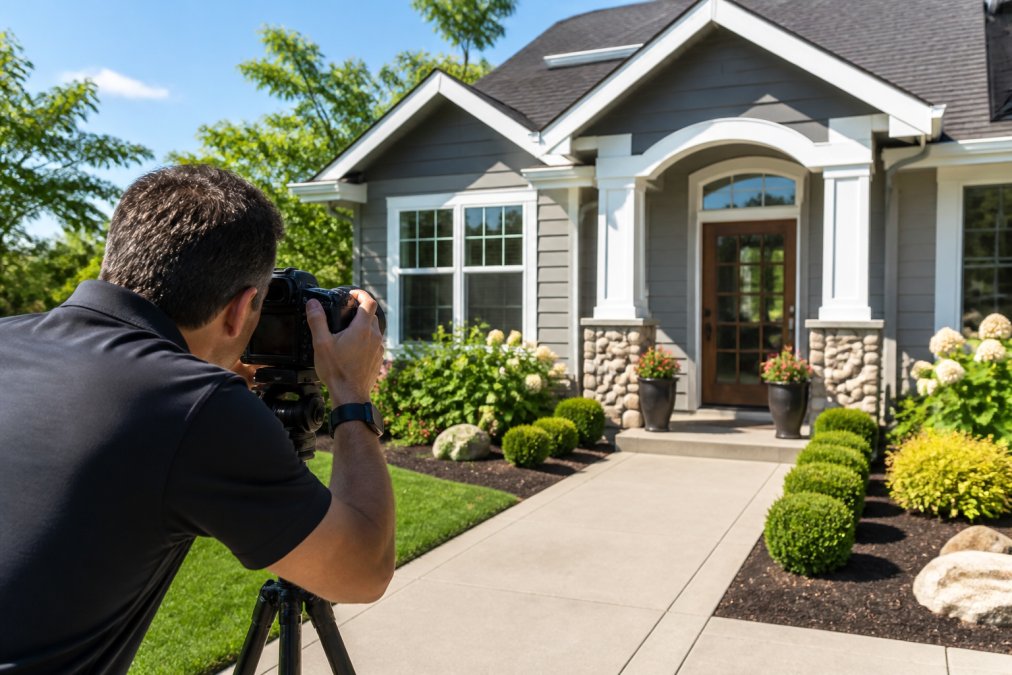
Virtual tours are now standard. Your agent should provide a 3D walkthrough and high-quality photos. Buyers often decide whether to schedule an in-person showing based on the virtual tour.
Step 4: Manage Property Disclosures and Home Inspections Remotely
Disclosures are legal documents that reveal known issues with your property. Incomplete or inaccurate disclosures can expose you to liability after the sale.
Work with your agent to complete all required disclosure forms. In Arizona, sellers must provide:
- Property condition disclosure
- Lead-based paint disclosure (for homes built before 1978)
- HOA disclosures (if applicable)
- Any known material defects
Don't minimize or omit problems. Buyers will discover these issues during their inspection anyway. Transparency builds trust and prevents lawsuits later.
Home inspections happen after an offer is accepted. The buyer's inspector will spend 2-3 hours examining your home. Your agent should be present and photograph any issues. The inspection report typically identifies items ranging from minor to major. Buyers often request credits or repairs based on findings. Your agent will negotiate on your behalf. In most cases, you'll offer credits toward closing costs rather than making repairs yourself.
Stay in close communication with your agent during this phase. They should send you photos and summaries of inspection findings within 24 hours.
Step 5: Navigate the Remote Home Closing Process
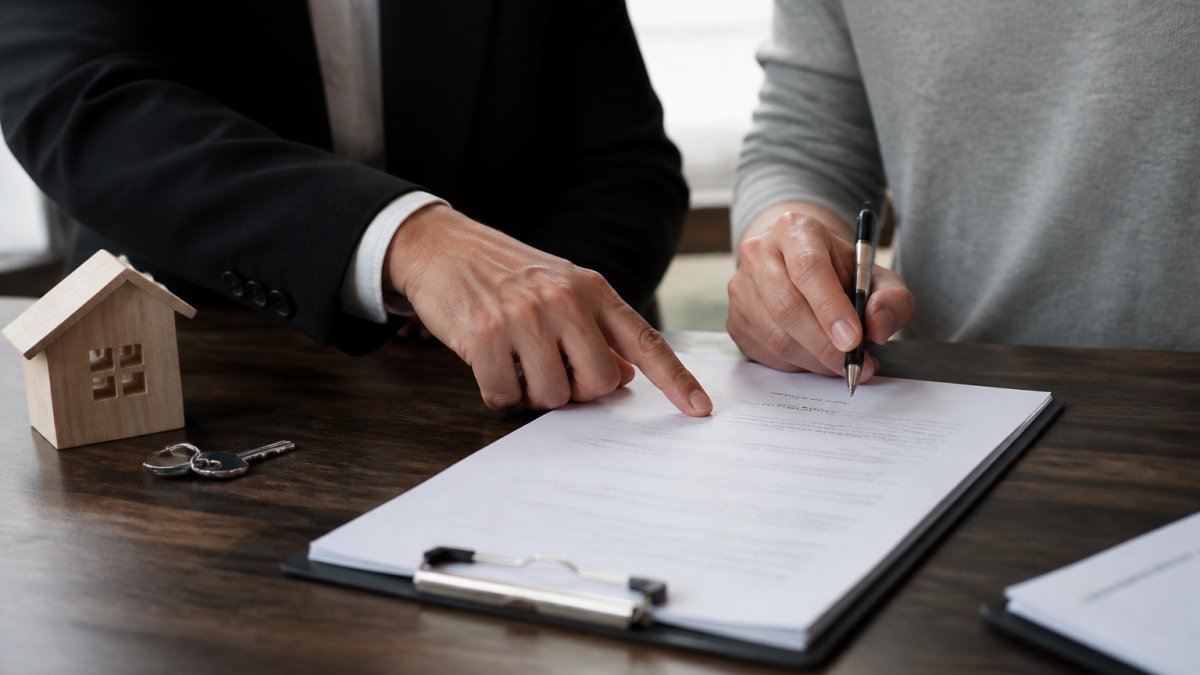
The closing is where ownership transfers from you to the buyer. For an out-of-state seller, this involves digital signatures, remote notary services, and wire transfers.
Here's what happens at closing:
-
Title search and insurance: The title company searches public records to ensure you own the property and no liens exist.
-
Final walkthrough: The buyer's agent conducts a final walkthrough 24 hours before closing to confirm agreed-upon repairs were completed.
-
Closing disclosure: The title company prepares a closing disclosure document showing all costs, credits, and the final amount you'll receive. Review this carefully for errors.
-
Digital signing: You'll sign closing documents remotely using electronic signature platforms. You'll need to verify your identity through a video call with a notary.
-
Wire transfer: After signing, funds are wired to your account within 24-48 hours.
Remote notary and digital closing logistics are now standard. The title company coordinates everything. You'll receive a link to a secure platform, sign documents electronically, and appear on a video call with a notary. The entire process takes 30-60 minutes.
Coordinate with the title company in advance to find a closing time that works for your schedule across time zones.
Closing costs typically run 1-3% of the sale price and are split between buyer and seller per your negotiated agreement. Your agent will provide an estimate upfront.
Before closing, confirm these details with the title company:
- Exact closing date and time
- Digital signing platform and login credentials
- Notary video call details
- Where funds will be wired
- Expected net proceeds after all costs
Don't book travel or commit to moving dates until closing actually occurs; delays happen frequently.
Selling a House As-Is Remotely: When and How to Use This Strategy
Selling as-is means you're offering the home in its current condition without making repairs or offering credits. The buyer accepts all responsibility for any issues discovered during inspection.
Consider this strategy if:
- Your home needs significant repairs that would cost more than the credit buyers would request
- The property has structural issues or major systems failures
- You're selling an inherited property in unknown condition
- The market is strong enough that buyers will accept as-is terms
- You're selling to an investor or house-buying company
The advantage is simplicity; you don't negotiate repairs or credits. The disadvantage is price; as-is homes typically sell for 10-20% less than move-in ready homes.
For out-of-state sellers, as-is selling can simplify the process by eliminating back-and-forth negotiation over inspection findings. However, you still must disclose known issues. If you choose as-is selling, be transparent in your listing description to attract the right buyer.
Common Mistakes Out-of-State Sellers Make
Underestimating communication needs. Out-of-state sellers often expect their agent to handle everything silently. You need regular updates. The best agents send weekly summaries during listing and daily communication during negotiations.
Pricing based on emotion, not data. The market doesn't care what you paid or what you believe your home is worth. If comparable homes sold for $395,000 last month, that's your baseline.
Neglecting curb appeal. Remote sellers sometimes skip exterior preparation. Buyers form their first impression from the driveway. A shabby exterior makes them question the entire home's condition.
Ignoring inspection findings. Address issues transparently in disclosures rather than hoping they'll be overlooked.
Choosing agents based on commission rate. A 0.5% lower commission saves you maybe $2,000 on a $400,000 sale. A better agent might sell your home for $20,000 more.
Not using technology effectively. Virtual tours, digital signatures, and remote coordination tools exist for exactly this reason.
Failing to coordinate timing. An inspection scheduled at 8 a.m. Pacific is 11 a.m. Eastern. Confirm all times in your own timezone to avoid confusion.
Not having a local contact. Ideally, you have a trusted friend or family member who can visit the home occasionally and report issues. If not, your agent can manage this.
Selling your home from out of state requires planning, but it's entirely achievable. The key is hiring an experienced agent who understands both your local market and the logistics of remote transactions. Bernie Krause specializes in East Valley sales and has successfully guided out-of-state sellers through every stage of the process. When you're ready to sell, connect with Bernie Krause to discuss your specific situation and get started with confidence.
Frequently Asked Questions
Can I actually sell my house if I live in another state?
Yes. You can sell your home from out of state by hiring a local listing agent, using power of attorney for legal documents, and coordinating inspections and closings remotely. Many sellers complete the entire process without returning to the property. The key is having a trusted agent who handles logistics, communicates clearly, and uses digital tools for showings, disclosures, and closing.
What documents do I need to sell my house remotely?
You'll need the deed, property survey, homeowners insurance information, HOA documents (if applicable), and any warranties. For remote transactions, you'll also need a power of attorney form authorizing your agent or a local representative to sign closing documents on your behalf. Your title company will provide a closing statement and deed transfer forms. Keep all documents organized digitally and share them securely with your agent and title company.
What are the tax implications of selling a property from out of state?
Profit from selling your home may be subject to capital gains tax. If it was your primary residence, you may qualify for the primary residence exclusion (up to $250,000 for single filers, $500,000 for married couples). Out-of-state sellers should report the sale on their federal return and may owe state taxes where the property is located. Consult a tax professional to understand your specific liability and any state-specific rules.
Do I need a power of attorney to sell my house remotely?
Yes, in most cases. A power of attorney allows your agent or a designated representative to sign closing documents, handle inspections, and manage other legal matters on your behalf. This is essential when you cannot attend closing in person. Your title company will guide you through the specific power of attorney form required by your state. Have it notarized before the sale process begins.
This article was written using GrandRanker