 ultimate-guide
Sell Your Home for Top Dollar: A Strategic Guide
Table of Contents
- Why Strategic Pricing Matters When You Sell Your Home for Top Dollar
- How to Price a Home for Maximum Profit
- Home Staging Tips for Sellers to Attract Qualified Buyers
- Real Estate Negotiation Strategies for Multiple Offers
- Cost of Selling a Home Checklist
- Preparing Your Home: Inspections, Repairs, and Disclosure Requirements
- Timeline and Market Conditions: Selling When Conditions Favor You
- Conclusion
Last Updated: August 16, 2026
Why Strategic Pricing Matters When You Sell Your Home for Top Dollar
Getting the price right separates a quick sale from months of showings and price reductions. When you sell your home for top dollar, strategic pricing isn't about listing high and hoping, it's about understanding what buyers will actually pay based on comparable sales, current market conditions, and your home's specific advantages.
The difference between overpricing and strategic pricing can cost you tens of thousands of dollars. An overpriced home sits on the market, attracts fewer showings, and signals to buyers that something's wrong. A strategically priced home generates multiple offers, creates urgency, and positions you to negotiate from strength. This is where the process begins.
According to National Association of Realtors 2026 Market Analysis, homes priced within 5% of market value sell 40% faster than overpriced listings. The math is simple: accurate pricing creates competitive bidding, which drives your final sale price higher than you'd achieve by listing inflated and negotiating down.
How to Price a Home for Maximum Profit
Pricing a home for maximum profit requires three parallel approaches: comparable sales analysis, understanding the appraisal gap, and recognizing your home's unique value drivers. Each informs the others, and skipping any one leaves money on the table.
Comparable Sales Analysis and Market Value
Comparable sales analysis is the process of evaluating recently sold homes in your area with similar characteristics to establish realistic market value for your property. This isn't guesswork, it's the foundation that buyers, appraisers, and lenders all use to determine what your home is worth.
Start by identifying homes that sold within the last 90 days in your neighborhood with similar square footage, lot size, age, condition, and features. Look for at least three to five comparable sales. Each comparable should be within 10% of your home's size and within a quarter-mile radius if possible. Adjust mentally for differences: a home with an updated kitchen might command 5-8% more; one needing roof work might sell for 3-5% less.
This is where many sellers get stuck. They compare their home to listings still on the market, not sold homes. Current listings are asking prices, not actual market value. What matters is what buyers paid, not what sellers hoped to receive.
Work with a real estate professional who has access to multiple listing service (MLS) data and can pull detailed comparable sales reports. Bernie Krause brings deep familiarity with East Valley market trends and can identify the specific comparables that truly reflect your home's position in the current market. The difference between a generic analysis and a market-specific one often determines whether you're priced to win or priced to wait.
Understanding the Appraisal Gap
The appraisal gap is the difference between your listing price and the appraiser's valuation. When the appraisal comes in lower than the purchase price, it creates friction: the buyer's lender won't fund the full amount, and you're forced to choose between lowering your price or losing the sale.
This happens when listing prices outpace actual comparable sales. A home listed at $850,000 might appraise at $810,000 if recent comparable sales support that lower figure. The buyer either needs to bring an extra $40,000 to closing or renegotiate the price downward.
To avoid this trap, price based on appraisal-supportable comparables, not aspirational pricing. If your comparables average $820,000, listing at $835,000 invites appraisal risk. Listing at $825,000 positions you to sell confidently without appraisal surprises.
Home Staging Tips for Sellers to Attract Qualified Buyers
Professional staging transforms how buyers perceive your home. It's not about cluttering rooms with furniture, it's about creating emotional connection and helping buyers envision themselves living there.
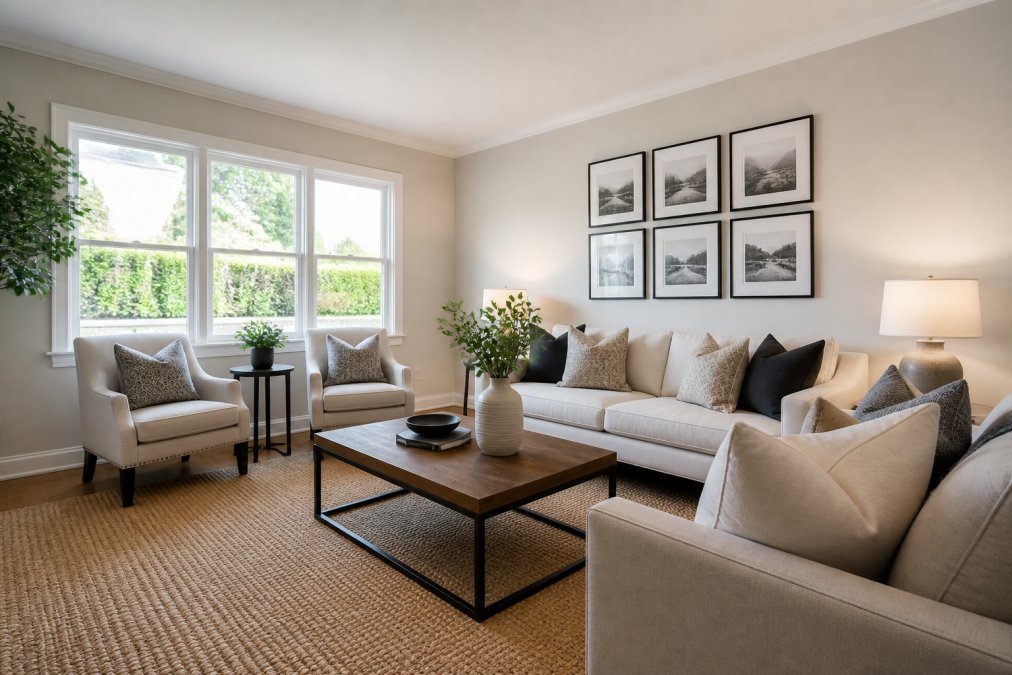
The goal of staging is to eliminate distractions and highlight your home's best features. Buyers spend seconds forming impressions of each room. Staging accelerates that process in your favor.
Curb Appeal and First Impressions
Your home's exterior creates the first impression, and it determines whether buyers even step inside. Curb appeal directly impacts buyer perception and willingness to make a strong offer.
Focus on the details buyers notice immediately: landscaping, front door condition, exterior paint, and walkway cleanliness. A fresh coat of paint on the front door costs a few hundred dollars and signals that the home is well-maintained. Trim overgrown bushes, edge the lawn, and remove any visible clutter from the yard. Pressure wash the driveway and walkways, dirt and stains make a home look neglected.
Lighting matters too. Ensure porch lights work and consider adding landscape lighting to highlight architectural features. These touches cost under $500 combined and make your home look inviting during evening showings.
Professional Photography and Virtual Tours
Professional photography is non-negotiable when you sell your home for top dollar. Buyers start their search online, and poor photos eliminate your home from consideration before anyone visits in person.
Hire a professional photographer experienced with luxury properties. High-quality photos increase online inquiry rates by 35-50% compared to standard smartphone photos. Virtual tours allow buyers to preview your home before scheduling a showing, which means when they arrive in person, they're already interested and ready to envision themselves there.
Real Estate Negotiation Strategies for Multiple Offers
Multiple offers create the negotiating position every seller wants. When you sell your home for top dollar in a competitive market, you're often managing several offers simultaneously. The highest number isn't always the best deal.
Evaluating Offers Beyond Price
Price is one factor, but contingencies, closing timeline, and buyer qualification matter equally. A $50,000 higher offer with multiple contingencies and a 90-day closing is riskier than a $5,000 lower offer with minimal contingencies and a 30-day close.
Evaluate each offer across these dimensions:
- Purchase price and earnest money deposit, signals buyer commitment
- Contingencies, inspection, appraisal, financing (fewer is better)
- Closing timeline, faster closes reduce risk and uncertainty
- Buyer pre-qualification, proof the buyer can actually fund the purchase
- Seller concessions requested, repairs, closing costs, or other requests
A cash offer with no contingencies and a 14-day close is worth significantly more than a financed offer contingent on inspection, appraisal, and sale of the buyer's current home, even if the price is identical.
Managing Buyer Concessions and Contingencies
Buyer concessions are requests for you to pay for repairs, closing costs, or other items. Every concession reduces your net proceeds. When managing multiple offers, negotiate concessions downward aggressively.
A buyer asking for $15,000 in closing cost assistance is reducing your net proceeds by that amount. In a multiple-offer situation, you have use to decline or counter significantly lower. You might offer 2% instead of 4%, or require the buyer to cover their own costs entirely.
Contingencies are conditions the buyer can use to exit the contract. The fewer contingencies, the more certain the sale. An inspection contingency gives the buyer the right to renegotiate or walk away if issues surface. An appraisal contingency allows them to exit if the home appraises below the agreed price.
In competitive multiple-offer scenarios, buyers who waive inspection contingencies or accept appraisal gaps are more attractive. They signal confidence and reduce your risk.
Cost of Selling a Home Checklist
Selling your home involves multiple costs beyond the real estate commission. Understanding these expenses helps you calculate accurate net proceeds and avoid surprises at closing.
Closing Costs, Commissions, and Hidden Expenses
Real estate commission is typically 5-6% of the sale price, split between the listing agent and buyer's agent. On a $500,000 sale, that's $25,000-$30,000. This is usually the largest cost.
Additional closing costs typically include:
| Cost Category | Typical Range | Notes |
|---|---|---|
| Title search and insurance | $500-$1,500 | Required by lender |
| Attorney fees | $500-$2,000 | Varies by state and complexity |
| Transfer taxes and recording fees | $300-$2,000 | Varies significantly by location |
| Home inspection (pre-listing) | $300-$500 | Optional but recommended |
| Appraisal (if requested) | $400-$800 | Buyer's lender typically orders |
| Repairs and staging | $2,000-$15,000+ | Depends on home condition |
| HOA transfer fees | $100-$500 | If applicable |
These costs reduce your net proceeds. A $500,000 sale with $27,500 in commission, $2,000 in closing costs, and $5,000 in repairs nets $465,500, $34,500 less than the sale price.
Budget for these expenses upfront. Many sellers are surprised when they discover their net proceeds are 5-7% lower than the sale price. Planning prevents disappointment.
Preparing Your Home: Inspections, Repairs, and Disclosure Requirements
A pre-listing home inspection identifies issues before buyers discover them. This prevents renegotiations, appraisal problems, and surprise repair requests.
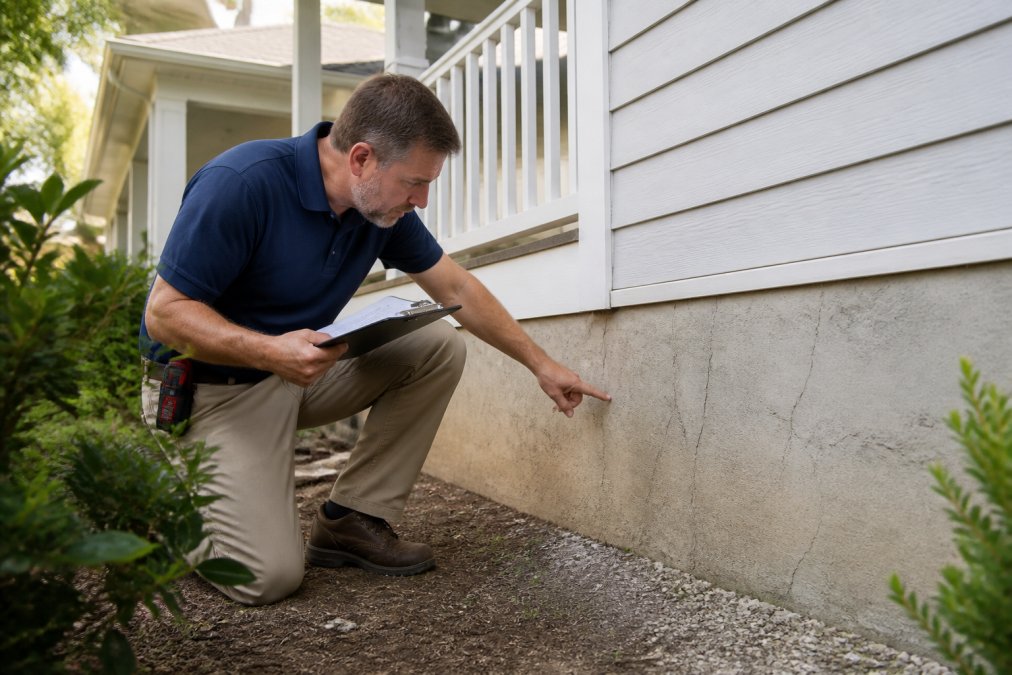
Knowing what inspectors will find lets you address issues proactively on your timeline and budget, rather than reactively under buyer pressure.
Major issues like roof leaks, foundation cracks, or electrical code violations should be repaired before listing. Minor issues can be disclosed and priced into your asking price. The key is transparency, undisclosed issues create legal liability and buyer resentment.
Disclosure requirements vary by state, but all states require sellers to disclose known material defects. Material defects include structural issues, water damage, pest infestations, and environmental hazards. Failing to disclose creates legal exposure and can void the sale.
When you sell your home for top dollar, transparency builds buyer confidence. Homes with honest disclosures and clean pre-listing inspections actually sell faster and for higher prices than homes with hidden issues that surface during buyer inspections.
Timeline and Market Conditions: Selling When Conditions Favor You
Timing affects both your sale price and how quickly your home sells. Understanding market conditions helps you choose the optimal moment to list.
Seller's markets, when inventory is low and demand is high, favor sellers. Buyer's markets, when inventory is high and demand is low, favor buyers. In a seller's market, homes sell faster and for higher prices. In a buyer's market, you have less negotiating use and may need to price more aggressively.
Current market conditions in 2026 show strong buyer demand in the East Valley, but interest rates remain elevated. This means qualified buyers are still active, but fewer buyers can afford higher prices. Strategic pricing and quality presentation are essential.
The time of year matters too. Spring and early summer typically see higher buyer activity. Winter and late summer see fewer showings. If you can list in spring, you'll likely attract more qualified buyers and have more negotiating use.
Consider your personal timeline as well. If you need to sell within 60 days, you'll price differently than if you have a six-month window. A compressed timeline often requires more aggressive pricing to generate urgency and multiple offers.
When you work with Bernie Krause, you gain insight into current East Valley market conditions and timing recommendations specific to your situation. Market expertise isn't just about knowing prices, it's about understanding when conditions align in your favor and positioning your sale accordingly.
Selling your home for top dollar requires strategic pricing, professional presentation, and disciplined negotiation. The difference between an average sale and a top-dollar result comes down to understanding market value, minimizing contingencies, and attracting qualified buyers through professional staging and photography. Bernie Krause specializes in helping East Valley homeowners navigate this process with market expertise, careful pricing strategy, and skilled negotiation that positions you to maximize your net proceeds. Get started with a market analysis and pricing consultation to understand your home's true value in today's market.
Frequently Asked Questions
What's the best way to determine the fair market value of my property?
Start with a market analysis comparing comparable sales in your area. Look at recent sales of similar homes, their list prices, days on market, and final sale prices. An appraisal from a certified appraiser provides an unbiased valuation based on property condition, location, and market trends. This data helps you avoid pricing too high (which deters buyers) or too low (which leaves money on the table). Many sellers work with a knowledgeable real estate agent who has deep local market expertise to guide accurate pricing.
How does professional staging impact the final sale price of my home?
Professional staging helps buyers envision themselves living in your home by showcasing its best features and potential. Quality staging emphasizes curb appeal, creates an emotional connection, and can result in higher offers and faster sales. Combined with professional photography and virtual tours, staging positions your home as a premium property. While staging requires upfront investment, homes that are professionally staged typically sell for more and spend fewer days on market compared to unstaged homes.
What are the most common mistakes sellers make when pricing their home?
The biggest mistake is overpricing based on emotional attachment rather than market data. Overpriced homes sit longer, attract fewer qualified buyers, and often sell below asking price anyway. Another common error is underpricing to sell fast, leaving significant equity on the table. Sellers also sometimes ignore needed repairs or staging, which reduces perceived value. Finally, many sellers fail to account for closing costs, commissions, and other expenses, leading to disappointment at closing. Working with an experienced agent who understands local market conditions helps avoid these pitfalls.
How can I negotiate effectively to ensure I get the best offer?
Evaluate offers on more than price alone. Consider the buyer's financial strength, contingencies (inspection, appraisal, financing), earnest money deposit, and proposed closing timeline. In multiple offer scenarios, a slightly lower all-cash offer with no contingencies may be stronger than a higher offer with financing conditions. Be clear about your priorities: do you need a fast close or maximum price? Understanding what matters most helps you negotiate strategically. A skilled agent can guide you through counter-offers and help you recognize when an offer is truly competitive versus when you should hold firm for better terms.
This article was written using GrandRanker