 ultimate-guide
Relocating to Phoenix: 7 Tips for a Smooth Move
Table of Contents
- Understanding the Cost of Living in Phoenix Metro Area
- Best Neighborhoods in East Valley for Families
- Preparing for the Desert Climate and Summer Heat
- Transportation, Commute Times, and Traffic Patterns
- Water Conservation and Xeriscaping in HOA Communities
- Your Phoenix Relocation Checklist
- Relocating to Phoenix: Final Thoughts
Last Updated: August 23, 2026
Understanding the Cost of Living in Phoenix Metro Area
Relocating to the Phoenix metropolitan area means understanding how your dollars stretch across housing, utilities, transportation, and daily expenses. Housing represents the largest expense, with median home prices in communities like Chandler and Gilbert climbing steadily as professionals seek newer construction and family-friendly suburban environments. Rental costs vary significantly by neighborhood and proximity to employment centers, though housing budgets generally extend further here than in coastal metros.
Utility costs demand careful attention in desert living. Summer air conditioning runs continuously from May through September, with peak usage when temperatures regularly exceed 110 degrees Fahrenheit (noaa.gov). Your electric bill will spike substantially during these months. Water usage also factors into planning, as desert communities implement conservation measures and some HOA communities impose water restrictions affecting landscaping and maintenance costs.
Transportation expenses depend on commute patterns and vehicle reliance. Most East Valley residents depend on cars, factoring in fuel, maintenance, and insurance. Traffic congestion during rush hours is common on major corridors like the I-10 and Loop 101. Property taxes are moderate compared to many states, and there's no state income tax on retirement income, a significant advantage for some households. However, HOA fees in many suburban communities add to monthly housing costs.
Best Neighborhoods in East Valley for Families
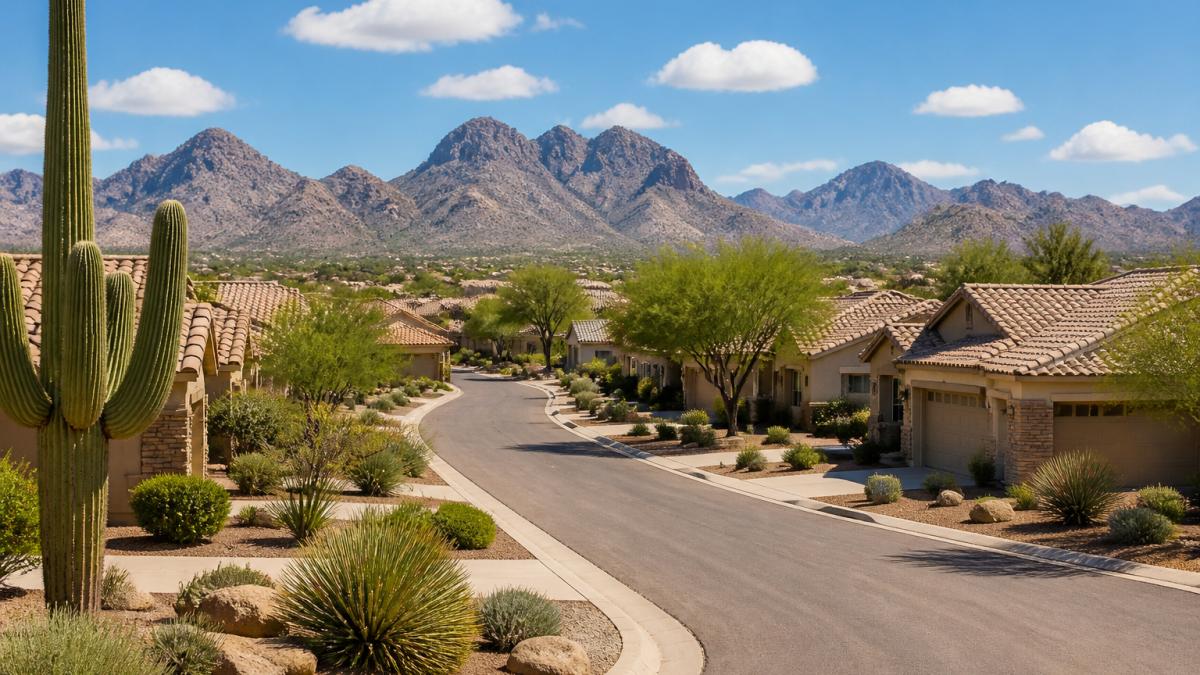
The East Valley encompasses Chandler, Gilbert, Tempe, and surrounding communities that have experienced explosive growth over the past two decades. Each neighborhood offers distinct advantages for families.

Chandler has established itself as a premier destination for families seeking quality schools, master-planned communities, and modern infrastructure. Many subdivisions feature HOA regulations that maintain property values through consistent design standards. Employment opportunities in technology and healthcare make Chandler particularly attractive for relocating professionals.
Gilbert offers similar family-oriented appeal with slightly more affordable entry points. The community has invested heavily in parks, recreational facilities, and school district improvements. Newer construction dominates, with many homes built within the last 15-20 years.
Tempe bridges urban convenience with suburban living, particularly appealing to families wanting walkability alongside residential peace. Proximity to Arizona State University influences neighborhood character, creating a younger demographic mix.
School district rankings matter significantly when evaluating neighborhoods. The Chandler Unified School District and Gilbert Unified School District consistently rank among the state's top performers. HOA regulations vary substantially between neighborhoods, some impose strict landscaping requirements while others maintain lighter restrictions. Understanding these rules becomes critical when relocating to the Phoenix metropolitan area, as they directly affect your ability to make home modifications and influence long-term property values.
Preparing for the Desert Climate and Summer Heat
The desert climate defines daily life in the Phoenix metropolitan area in ways that fundamentally shape home maintenance, landscaping, and lifestyle planning. Summer temperatures regularly exceed 110 degrees Fahrenheit from June through August (weather.gov).
Air conditioning maintenance becomes critical infrastructure management. Systems run continuously during summer months, and breakdowns during peak heat create genuine health risks. Many residents establish relationships with HVAC service providers before relocating, ensuring rapid response availability during emergencies. The monsoon season (July through September) brings intense but brief thunderstorms that can stress cooling systems.
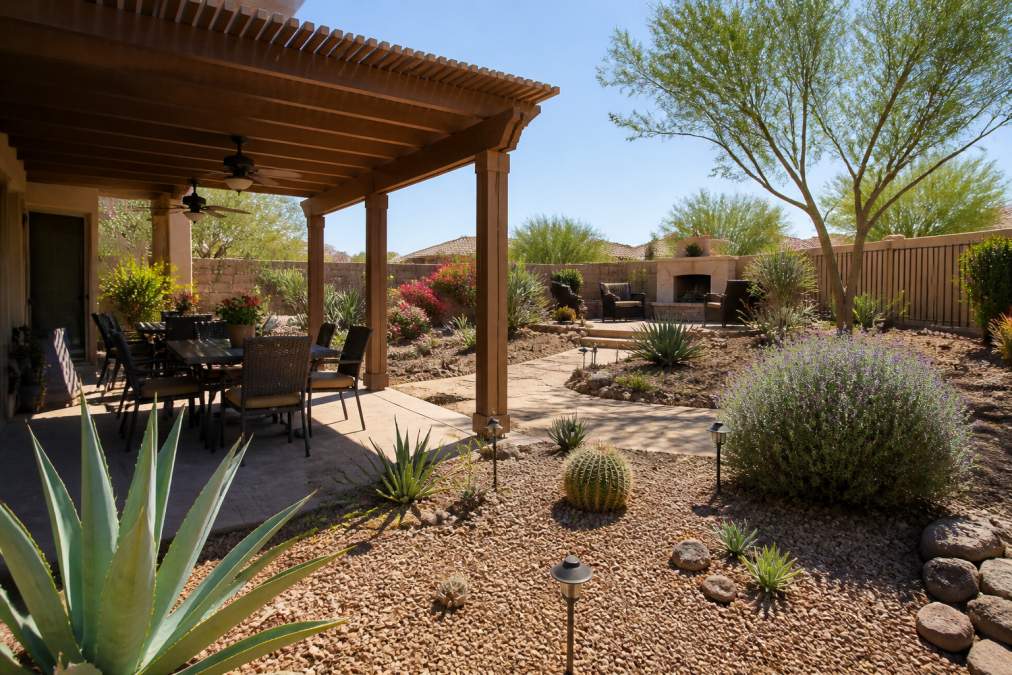
Water conservation and xeriscaping represent both environmental responsibility and practical necessity. Many HOA communities now require or encourage drought-resistant landscaping using native plants adapted to desert conditions. Desert plants like palo verde, mesquite, and various cacti thrive with minimal irrigation once established.
Heat management extends beyond air conditioning to vehicle protection and outdoor activity planning. Temperatures inside parked cars can exceed 170 degrees Fahrenheit within minutes during peak summer heat. Covered parking becomes highly valuable for vehicle longevity and safety. Outdoor recreation shifts to early morning or evening during summer months.
Seasonal allergies affect many residents, particularly during spring when desert plants pollinate. The dry climate can exacerbate respiratory issues for some people, though others find relief from humidity-related conditions. The urban heat island effect concentrates heat in developed areas, making some neighborhoods noticeably warmer than surrounding regions, a difference of 5-10 degrees between nearby neighborhoods.
Transportation, Commute Times, and Traffic Patterns
The Phoenix metropolitan area sprawls across hundreds of square miles, making transportation planning essential when relocating. Most residents depend on personal vehicles for daily movement, as public transportation remains limited compared to major coastal cities.
Commute times vary dramatically based on employment location and residential choice. East Valley residents working in downtown Phoenix or Scottsdale face commutes of 45 minutes to over an hour during peak traffic hours. The I-10 corridor experiences significant congestion, particularly during morning rush hours (6:30-9:00 AM) and evening rush hours (3:30-6:30 PM). The Loop 101 provides an alternative route but adds distance to many trips.
Traffic congestion has intensified as the metropolitan area population has grown. Understanding traffic patterns before relocating helps with employment decisions and neighborhood selection. Some families prioritize living near employment to minimize commute times and associated fuel costs.
Public transit options include Valley Metro bus service and light rail connecting central Phoenix with surrounding areas. However, light rail coverage remains limited for East Valley residents, with most routes serving central Phoenix corridors. Ride-sharing services operate throughout the metropolitan area but accumulate quickly for daily commuting, making personal vehicle ownership more economical for most households.
Water Conservation and Xeriscaping in HOA Communities
Water conservation shapes landscaping decisions throughout the Phoenix metropolitan area, with many HOA communities implementing specific requirements for xeriscaping and drought-resistant plant selection. Understanding these regulations becomes essential when relocating, as they directly affect your landscaping budget and maintenance responsibilities.
HOA regulations vary significantly between communities. Some neighborhoods mandate xeriscaping with native desert plants and prohibit traditional lawns entirely. Others allow more flexibility but encourage water-efficient landscaping through incentive programs or reduced HOA assessments for compliant properties.
Desert plants adapted to local conditions thrive with minimal water once established. Palo verde trees, mesquite, various cacti species, and native shrubs create attractive landscapes while conserving water. These plants typically require establishment irrigation during the first year, then survive on natural rainfall and minimal supplemental watering. Landscape design incorporating hardscape elements like decorative rock, gravel, and pavers reduces water needs while maintaining visual appeal.
Irrigation systems in desert communities often use drip irrigation rather than traditional sprinklers, delivering water directly to plant root zones and minimizing evaporation. Smart irrigation controllers adjust watering schedules based on temperature and seasonal needs. Many municipalities offer rebate programs for upgrading to efficient irrigation systems.
Water restrictions may apply during drought conditions, limiting irrigation frequency and timing. Understanding local water conservation ordinances helps you plan landscaping maintenance realistically. Some communities implement tiered water pricing, charging higher rates for usage exceeding conservation targets, making efficient landscaping economically advantageous.
Your Phoenix Relocation Checklist
Successful relocation to the Phoenix metropolitan area requires systematic planning across multiple categories.
| Task Category | Specific Actions | Timeline |
|---|---|---|
| Housing | Identify neighborhoods, connect with real estate agent, arrange inspections | 2-3 months before |
| Utilities | Research providers, schedule setup appointments, arrange transfers | 2 weeks before |
| Healthcare | Locate physicians, dentists, specialists, transfer medical records | 1 month before |
| Employment | Confirm job details, understand commute implications, arrange start date | Before move |
| Schools | Research districts, enrollment procedures, tour facilities | 2 months before |
| Transportation | Register vehicles, obtain Arizona driver's license, arrange insurance | 1 month before |
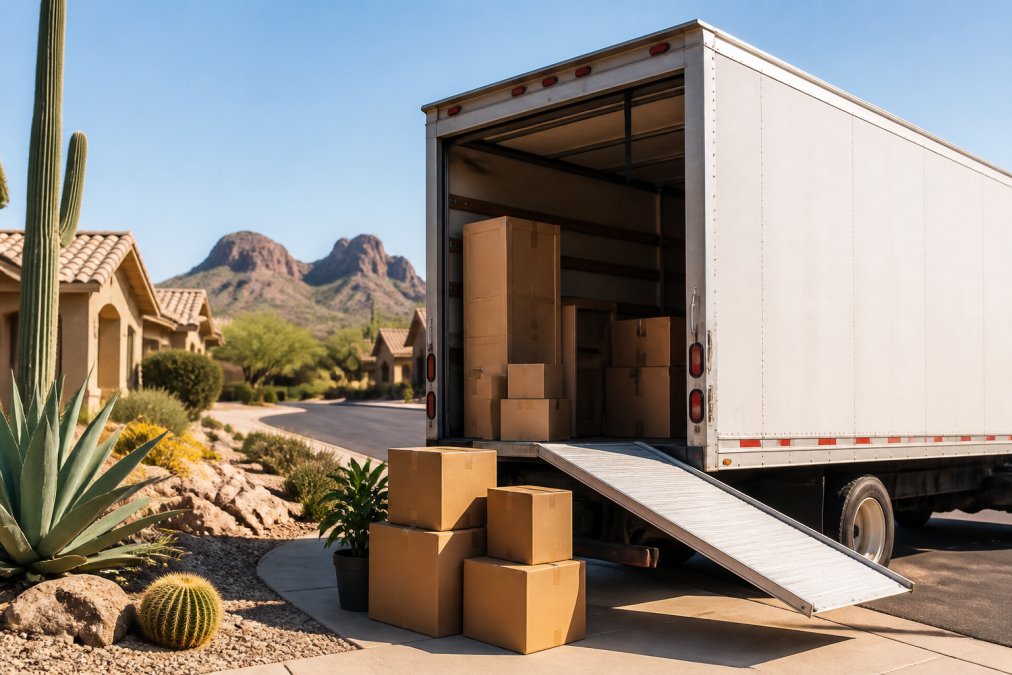
| Household | Arrange movers, update address, notify service providers | 2-3 weeks before |
| Community | Research HOA rules, neighborhood amenities, local services | Before purchase |
Connecting with a knowledgeable local real estate agent accelerates the process significantly. Bernie Krause specializes in East Valley properties and understands neighborhood nuances that impact long-term satisfaction. Having an agent familiar with local market conditions, HOA regulations, and community characteristics helps you make informed decisions aligned with your family's needs.
Utility setup requires advance planning. Contact Arizona Public Service (APS) or other local providers early to schedule connection appointments. Request information about budget billing options that average summer cooling costs across the year, smoothing large seasonal fluctuations.
Healthcare transitions deserve attention, particularly if you have ongoing medical needs or specialists. Research physicians accepting new patients in your chosen neighborhood and locate urgent care facilities and hospitals.
Employment arrangements should account for commute realities. Understanding traffic patterns and actual travel times between home and workplace prevents surprises after relocating. Some employers offer flexible scheduling that helps avoid peak traffic hours.
School enrollment requires understanding district procedures and timelines. Arizona schools typically require proof of residency, immunization records, and previous school records.
Relocating to Phoenix: Final Thoughts
Relocating to the Phoenix metropolitan area represents a significant lifestyle transition that extends far beyond the physical move itself. The desert climate, suburban sprawl patterns, and unique cost structure create an environment quite different from most other major metropolitan areas. Success depends on understanding these distinctive characteristics and planning accordingly.
The East Valley communities of Chandler, Gilbert, and surrounding neighborhoods offer genuine advantages for families seeking quality schools, newer construction, and family-oriented suburban environments. However, these same communities demand careful consideration of HOA regulations, water conservation practices, and long-term sustainability in a desert setting.
Climate preparation proves essential for comfort and safety. Understanding summer heat management, air conditioning maintenance, and seasonal lifestyle adjustments prevents costly surprises. Transportation realities shape daily life more dramatically than in many other metropolitan areas, making employment location and residential choice interconnected decisions.
When relocating to the Phoenix metropolitan area, having expert guidance through the process significantly improves outcomes. Bernie Krause brings deep knowledge of East Valley communities, local market conditions, and neighborhood characteristics that impact long-term satisfaction. Whether you're searching for your next home or preparing to sell your current property, connecting with a real estate professional familiar with local nuances ensures you make informed decisions aligned with your family's needs and priorities. Reach out to discuss how Bernie Krause can support your relocation journey and help you find the right home in the East Valley.
Relocating to a new metropolitan area involves countless decisions about neighborhoods, climate adaptation, and lifestyle changes. Arizona Department of Housing provides resources on homeownership and housing regulations in the state. When you're ready to move forward with your search for an East Valley home, Bernie Krause offers personalized guidance through every step of the process. Contact Bernie today to discuss your relocation goals and discover how local expertise makes the difference in finding your ideal home in the Phoenix metropolitan area.
Frequently Asked Questions
What salary is needed to live comfortably in the Phoenix metropolitan area?
Comfort depends on your lifestyle and family size, but generally a household income of $60,000 to $80,000 annually supports a modest lifestyle in most metro neighborhoods. Higher incomes ($100,000+) provide more flexibility for premium neighborhoods, dining, and recreation. The cost of living is moderate compared to major coastal metros, but housing prices in desirable East Valley areas like Chandler and Gilbert have increased. Use online cost-of-living calculators to compare your current expenses against Phoenix prices before relocating.
What should I know about the desert climate before relocating to Phoenix?
Summer temperatures regularly exceed 100°F from June through August, with low humidity making the heat feel intense. The monsoon season (July-September) brings dust storms and flash flooding. Winter is mild (50-70°F), making fall and spring ideal for outdoor activities. Plan for high air conditioning costs and increased water usage. Many relocators underestimate the intensity of summer heat, budget for utility costs and prepare your home with proper insulation, reflective window treatments, and reliable HVAC maintenance.
Is it better to rent or buy when first moving to the Phoenix metro area?
Renting for 6-12 months allows you to explore neighborhoods, understand commute patterns, and learn the local market before committing to purchase. This trial period helps you avoid costly mistakes and identify which East Valley communities truly fit your lifestyle. However, if you're relocating for a permanent job and have stable finances, buying immediately can lock in lower rates and build equity. Work with a local real estate agent who understands your timeline and can guide this decision based on your specific situation.
How do commute times vary across the Phoenix metropolitan area?
Commute times depend heavily on your workplace location and chosen neighborhood. East Valley residents (Chandler, Gilbert, Mesa) typically face 20-45 minute commutes to downtown Phoenix or Scottsdale. I-10 and US-60 corridors experience peak congestion during rush hours (7-9 AM, 4-6 PM). Remote work reduces commute stress significantly. Before relocating, map your exact commute route using Google Maps during peak hours to understand realistic travel times. Proximity to your workplace can save hours weekly and improve quality of life.
What are the main differences between renting and buying in the Phoenix metro area?
Renting offers flexibility and lower upfront costs, ideal for testing neighborhoods. Buying builds equity, provides stability, and locks in mortgage rates, important in a competitive housing market. East Valley properties often appreciate steadily, especially in established communities. Buyers must account for property taxes, HOA fees (common in suburban neighborhoods), and maintenance costs. First-time buyers benefit from working with an agent who explains local market conditions and helps you compete effectively in bidding situations.
What utilities should I set up before or immediately after relocating to Phoenix?
Contact Arizona Public Service (APS) for electricity, Southwest Gas for natural gas, and your city's water department to schedule connections before your move date. Electricity is essential given summer cooling demands. Internet providers vary by neighborhood, research availability in your specific address. Set up accounts 1-2 weeks before moving in. Some utility companies offer new-resident discounts or budget billing plans that help manage high summer air conditioning costs. Confirm all services are active before your move-in date.
How does the job market in the Phoenix metropolitan area support relocation?
The Phoenix metro area has a diverse job market spanning technology, healthcare, manufacturing, retail, and professional services. Major employers include Intel, Amazon, Banner Health, and numerous tech startups. The East Valley (Chandler, Gilbert, Mesa) has strong job growth in tech and healthcare sectors. Unemployment rates are typically near national averages. Before relocating, secure employment or confirm strong job prospects in your field. Work with local real estate agents who understand which neighborhoods align with major employment centers and offer reasonable commute times.
This article was written using GrandRanker