 how-to
Navigate the East Valley Housing Market in 2026
Table of Contents
- Understanding the East Valley Housing Market in 2026
- How Mortgage Rates and Affordability Impact Your Strategy
- Analyzing Inventory and Supply Trends
- How to Prepare for a Home Purchase in 2026
- Winning Negotiation Strategies for Buyers
- First-Time Homebuyer Programs in Arizona
- Tips for Selling a Home in the East Valley
- Conclusion
Last Updated: August 29, 2026
Understanding the East Valley Housing Market in 2026
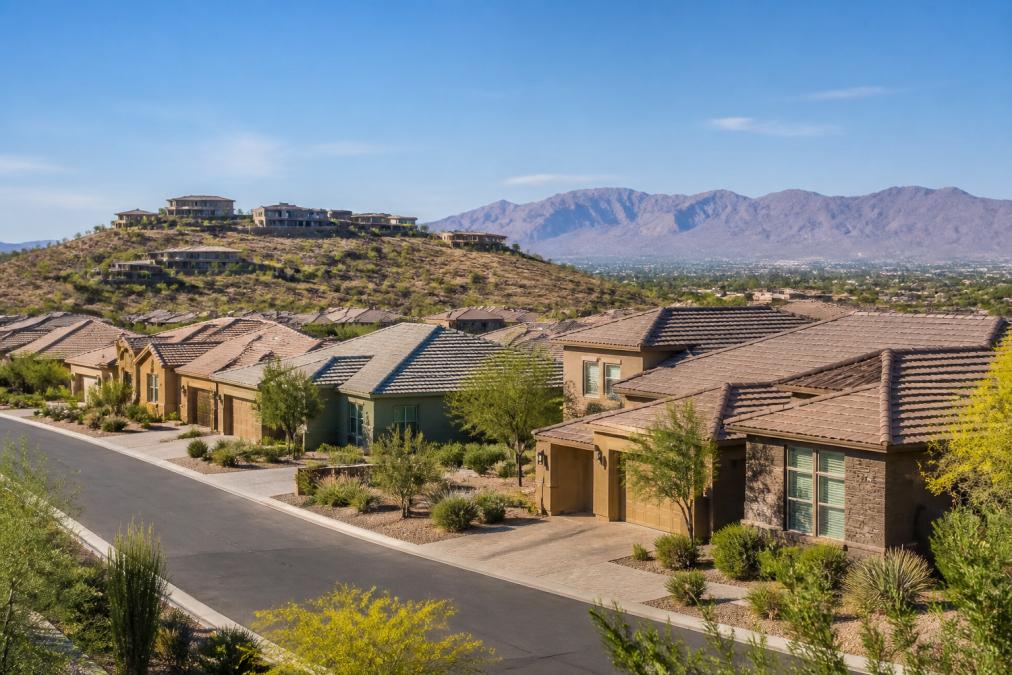
The East Valley housing market has shifted dramatically since 2025. Market dynamics have recalibrated significantly, with inventory levels, mortgage rates, and buyer behavior all moving in new directions. At Bernie Krause, we've analyzed current conditions to help our clients make informed decisions in this evolving landscape.
Market outlook and trends
The East Valley housing market in 2026 reflects a meaningful transition from the previous year. Single-family homes remain dominant, though townhomes have gained traction among first-time buyers seeking more affordable entry points. The market has moved away from the extreme seller's advantage seen in 2023-2024, creating new opportunities for strategic buyers.
Extended closings have become standard, with many transactions taking 45-60 days rather than the 30-day closings common two years ago. This shift reflects lender caution and the need for more thorough appraisals. New construction builders have adjusted pricing strategies and now offer rate buydowns and negotiating credits to remain competitive, creating multiple pathways to ownership.
Buyer's market vs. seller's market dynamics
The East Valley housing market in 2026 no longer favors sellers unconditionally. Properties that sold in days two years ago now sit for weeks or months. This fundamental shift in market balance benefits prepared buyers who understand how to position themselves competitively.
A buyer's market means sellers must price competitively and negotiate. Buyers have time to evaluate options, request inspections, and negotiate terms like closing timeline and repair credits. Even in premium locations like Chandler and Gilbert, where multiple offers still occur on well-priced properties, buyers now have contingency clauses that protect them, something nearly impossible to negotiate in 2024.
How Mortgage Rates and Affordability Impact Your Strategy
Mortgage rates remain the primary driver of affordability in the East Valley housing market. A 0.5% difference in rate translates to roughly $50 per month on a $400,000 mortgage (consumerfinance.gov).
Interest rate volatility and buydown options
Rate buydowns have become a critical negotiation tool in 2026. Builders and some sellers now offer temporary rate reductions, typically 1% for the first year, stepping up over subsequent years. A 2/1 buydown means you pay 1% below market rate in year one and 0.5% below market rate in year two, then the full market rate in year three.
For buyers planning to stay five years or longer, the initial payment relief often justifies the trade-off of reduced early equity gains. First-time homebuyer programs in Arizona frequently include rate buydown options as part of their assistance packages.
Calculating total cost of ownership
Most buyers focus only on monthly mortgage payments, missing the broader picture of total cost of ownership. Property tax and insurance vary significantly across East Valley neighborhoods. A home priced at $450,000 in Chandler may have different property tax obligations than an identical home in Gilbert due to local tax structures and school district assessments.
New construction homes typically have lower insurance costs initially but may include HOA fees ranging from $150 to $400 monthly. Understanding these differences helps you compare new construction versus resale options on equal footing.
Analyzing Inventory and Supply Trends
Inventory levels in the East Valley housing market have normalized compared to the severe shortages of 2023-2024. This normalization creates breathing room for buyers but means properties must be priced and presented competitively to sell quickly.
Single-family homes vs. townhomes availability
Single-family homes still dominate the East Valley housing market, representing roughly 70 percent of available inventory. Townhomes have become increasingly attractive to first-time buyers and downsizers seeking lower maintenance and entry costs.
The supply of single-family homes varies significantly by price range. Homes under $400,000 see consistent inventory turnover, while luxury homes above $800,000 remain scarce. Townhome inventory has grown as builders recognize demand from buyers wanting homeownership without single-family home responsibilities, typically offering 20-30 percent lower entry prices than comparable single-family homes.
New construction vs. resale comparison
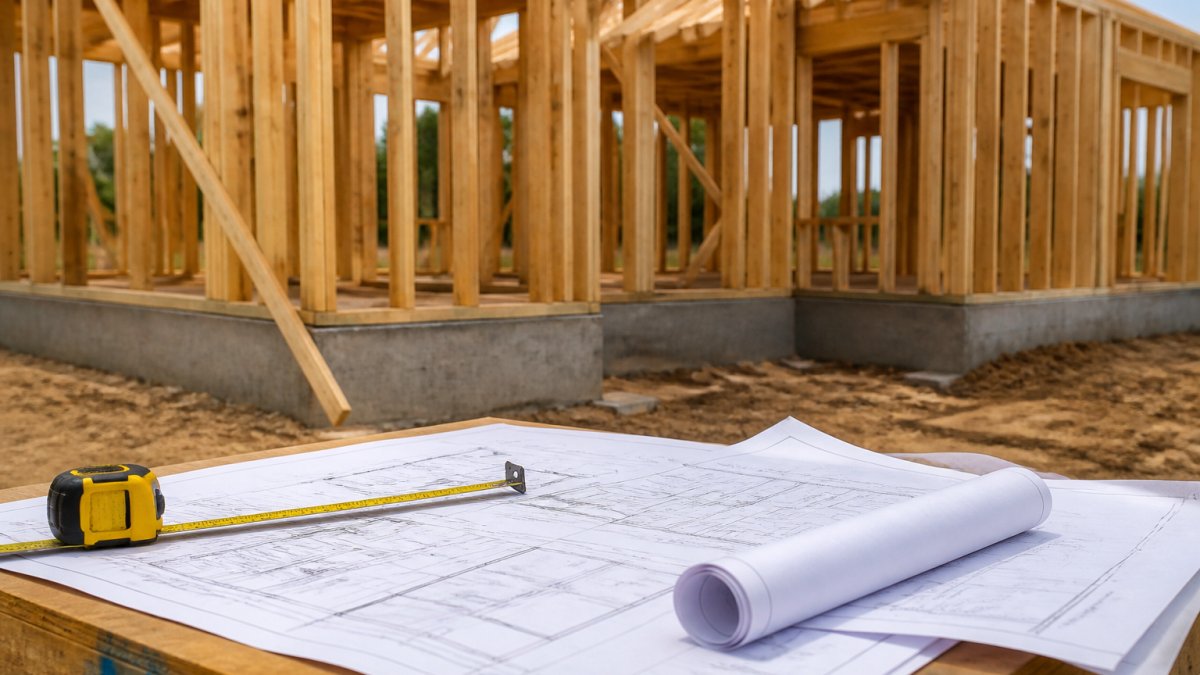
New construction offers certainty and builder warranties that resale homes cannot match. Resale homes offer more negotiation flexibility and established neighborhoods with mature landscaping. Pricing between new construction and resale homes has converged in 2026, with builders offering rate buydowns and negotiating credits. The decision often comes down to preference for newness and warranty protection versus neighborhood maturity and negotiation flexibility.
How to Prepare for a Home Purchase in 2026
Preparation separates successful buyers from those who face disappointments. The East Valley housing market rewards buyers who understand their budget, know their neighborhoods, and grasp the contract terms that protect them.
Step 1: Get pre-approved and understand your budget
Pre-approval involves a lender reviewing your financial documents and verifying your ability to borrow, typically taking 3-5 business days (consumerfinance.gov). Understanding your budget extends beyond the mortgage amount, calculate total monthly housing costs including property tax, insurance, HOA fees, and utilities.

Your pre-approval letter becomes your negotiating tool. In competitive situations, sellers favor pre-approved buyers, strengthening your offer position in the East Valley housing market.
Step 2: Research neighborhoods and property tax implications
Location decisions involve financial implications. Property tax rates vary by municipality and school district. Chandler, Gilbert, and Scottsdale have different assessment structures that directly impact your annual housing costs.
School district quality affects resale value even for buyers without children. Properties in top-rated school districts maintain stronger appreciation and sell faster, making location selection both a lifestyle and financial decision.
Step 3: Understand contingency clauses and contract terms
Contingency clauses protect you during the buying process. Inspection contingencies allow you to hire a professional inspector and request repairs or credits. Appraisal contingencies protect you if the property appraises below the purchase price. Financing contingencies ensure you're not locked into a purchase if your lender denies the loan.
These contingencies were nearly impossible to negotiate in 2024 but are now standard in 2026. Negotiating a 45-60 day closing timeline gives you and your lender adequate time without creating artificial pressure.
Winning Negotiation Strategies for Buyers
The East Valley housing market in 2026 rewards buyers who understand how to position themselves competitively without overpaying.
Making competitive offers in a tight market
Even in a buyer's market, desirable properties attract multiple offers. Your offer should be based on comparative market analysis, not emotion. If comparable homes sold for $425,000, offering $445,000 for a similar property suggests you haven't done your homework.
Include a personal letter with your offer. Sellers are people, and a brief message explaining why you love the home can influence decisions when offers are close in price.
Using negotiating credits and extended closings
Negotiating credits have become standard tools in 2026. Rather than asking for price reductions, request seller credits toward closing costs or repairs. This structure benefits both parties: sellers maintain their asking price, and buyers reduce out-of-pocket expenses.
Extended closings serve as negotiating leverage. If you're willing to close in 60 days instead of 30, you're offering the seller certainty and time. Rate buydowns negotiated into your purchase agreement provide long-term payment relief and work particularly well in new construction situations where builders have rate buydown budgets.
First-Time Homebuyer Programs in Arizona
Arizona offers multiple pathways for first-time homebuyers to access down payment assistance and close more affordably.
Down payment assistance and closing cost programs
The Arizona Housing Finance Authority administers programs providing down payment assistance to qualified first-time buyers, typically offering 3-5 percent down payment assistance combined with favorable interest rates. Local programs through individual municipalities provide additional assistance, often with more favorable terms for residents in their specific jurisdictions.
Down payment assistance programs usually require homebuyer education courses, often available online, that teach fundamentals about mortgages, budgeting, and home maintenance.
Tax credits and incentives available
Arizona doesn't currently offer state-level homebuyer tax credits, but federal programs may apply depending on your situation. New construction homes may qualify for builder incentives like closing cost assistance, upgraded finishes, or rate buydowns that effectively reduce your net cost of purchasing.
Energy-efficient home improvements may qualify for federal tax credits in subsequent years, encouraging upgrades that reduce long-term utility costs.
Tips for Selling a Home in the East Valley
Selling successfully in the East Valley housing market in 2026 requires understanding that buyer leverage has shifted. Homes that sold in days two years ago now require strategic pricing and presentation.
Preparing your home for sale and setting the right price
Preparation begins with honest assessment of deferred maintenance, dated décor, and necessary repairs. Professional staging or decluttering can increase perceived value and reduce time on market.

Pricing requires data-driven analysis, not emotion. Recent comparable sales, current market inventory, and days-on-market for similar homes determine appropriate pricing. Overpricing results in extended time on market, which signals problems to buyers and often leads to price reductions that undercut your original asking price.
Professional photography and virtual tours have become non-negotiable. Buyers research online before visiting properties, and poor presentation eliminates your home from consideration.
Marketing strategies and closing timeline expectations
Marketing in the East Valley housing market requires multiple channels: MLS listing, social media presence, and targeted advertising to specific buyer demographics. Working with an agent experienced in your neighborhood ensures your home reaches the right buyers.
Expect 45-60 days from offer acceptance to closing. Flexibility on contingencies and closing timeline can make your property attractive to buyers, often resulting in smoother transactions and fewer last-minute complications.
Navigating the East Valley housing market in 2026 requires understanding how rates, inventory, and negotiation dynamics have shifted. Whether you're buying your first home or selling an established property, the market rewards preparation and strategic decision-making. Bernie Krause specializes in guiding clients through these complexities with detailed neighborhood analysis, market expertise, and negotiation strategies tailored to your specific situation. Arizona Housing Finance Authority resources provide additional down payment assistance information, while working with an experienced local agent ensures you're making decisions based on current market data. Ready to make your next move in the East Valley housing market? Reach out to discuss your specific goals and how to position yourself for success in today's market.
Frequently Asked Questions
Is 2026 expected to be a buyer's or seller's market in the East Valley?
Market conditions in 2026 depend on inventory levels, mortgage rates, and demand patterns. Generally, when inventory is high and rates are elevated, buyers have more negotiating power. When inventory is low and demand is strong, sellers gain advantage. Check current listings and recent sales data for your specific neighborhoods in the East Valley to determine which position you're in. A local agent can provide real-time market analysis for your area.
How do interest rate fluctuations impact East Valley home affordability in 2026?
Mortgage rates directly affect monthly payments and your total borrowing power. A 1% rate increase can reduce your purchasing capacity by 10-15%. Rate buydowns and seller-paid closing costs become negotiating tools when rates are high. Consider getting pre-approved at current rates, then lock in when rates drop. Also factor property taxes and insurance into your affordability calculation, as these vary significantly across East Valley neighborhoods.
What are the first-time homebuyer programs available in Arizona?
Arizona offers several first-time buyer assistance programs, including down payment help, closing cost grants, and favorable loan terms through state housing finance agencies. Federal programs like FHA loans allow as little as 3.5% down. Some builders offer incentives on new construction. Tax credits may apply depending on your income and location. Eligibility varies, so consult with a local lender or real estate professional to identify programs you qualify for.
How should I prepare my home for sale in the East Valley?
Start by addressing curb appeal: landscaping, paint, and entrance lighting matter. Inside, declutter, deep clean, and neutralize décor to help buyers envision themselves in the space. Fix any obvious repairs and consider staging high-traffic areas. Price competitively based on recent comparable sales. Professional photography and marketing are essential in today's market. Timing your listing around low inventory periods and seasonal demand can also improve your results.
This article was written using GrandRanker