 ultimate-guide
Moving to Phoenix Area: A Relocation Guide
Table of Contents
- Understanding the Phoenix Metropolitan Area
- Cost of Living in Phoenix Area
- Best Neighborhoods in East Valley
- Job Market and Employment Opportunities
- Desert Climate and Heat Mitigation
- Phoenix Area Relocation Checklist
- Transportation and Commute Considerations
- Schools, Healthcare, and Community Resources
Last Updated: August 21, 2026
Understanding the Phoenix Metropolitan Area
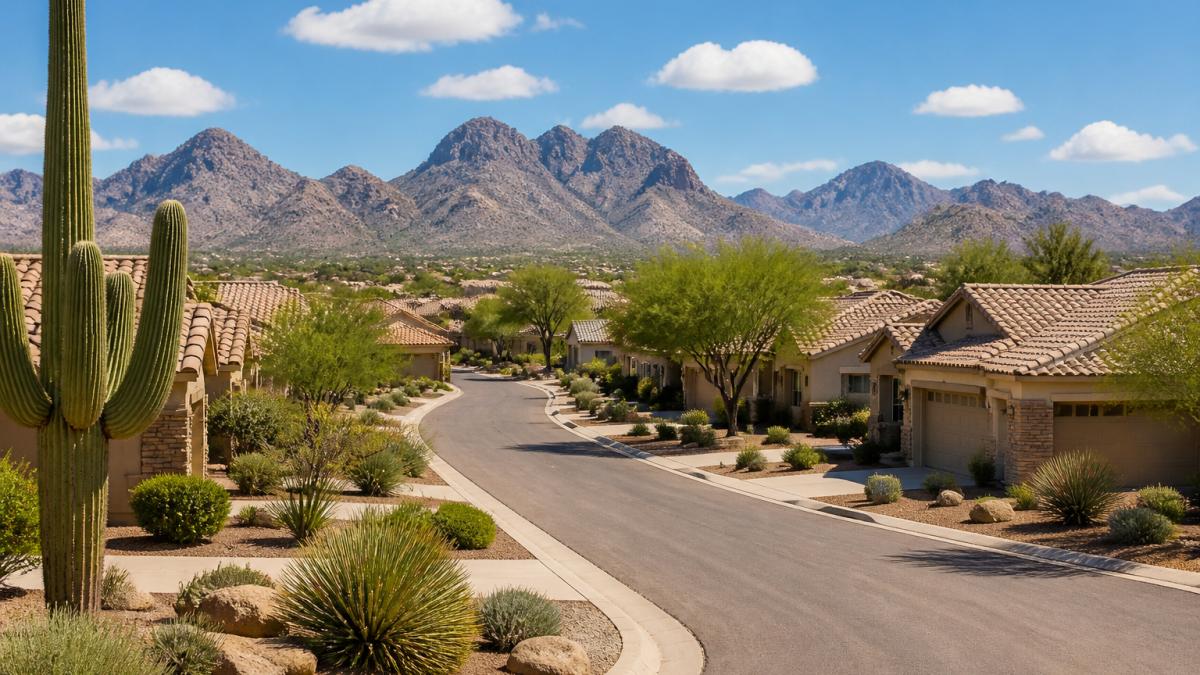
The Phoenix metropolitan area spans nearly 10,000 square miles across central Arizona, making it one of the fastest-growing regions in the United States (census.gov). The metro includes Phoenix itself and thriving suburban communities like Chandler, Gilbert, Scottsdale, Tempe, and Mesa, each offering different appeals depending on your priorities. The East Valley, in particular, has become the economic and demographic engine of the region, with communities like Chandler and Gilbert transforming into vibrant employment centers with their own job markets, shopping districts, and recreational amenities. Understanding this geography matters because your commute, cost of living, and quality of life depend heavily on which part of the metropolitan area you choose.
Cost of Living in Phoenix Area
The Phoenix metropolitan area offers more affordable housing than many comparable Sun Belt metros, though prices have risen steadily in recent years. The overall cost of living index for Phoenix sits below the national average, particularly when you factor in the lack of state income tax in Arizona, a major advantage for relocating professionals and retirees.
Housing and Property Taxes
Housing represents your largest expense when moving to Phoenix area communities. East Valley communities like Chandler and Gilbert command premium prices due to their family-friendly reputation and strong schools. Property taxes in Arizona average around 0.6% of assessed home value, significantly below the national average. However, many newer subdivisions include HOA fees ranging from modest amounts to several hundred dollars monthly, depending on amenities like community pools, fitness centers, and landscaping maintenance. When evaluating the true cost of homeownership, factor in both property taxes and HOA fees, as some neighborhoods include comprehensive services while others charge minimal fees but leave yard upkeep to individual homeowners.
Utilities and Everyday Expenses
Arizona's electricity costs rank near the national average, but air conditioning usage during summer months (May through September) drives bills substantially higher during peak season. Many residents see electric bills triple or quadruple during the hottest months. Water costs remain relatively reasonable, though conservation is increasingly important. Groceries, dining, and general consumer goods track close to national averages, while gas prices typically follow regional trends.
Best Neighborhoods in East Valley
The East Valley has emerged as the preferred destination for families and professionals relocating to the Phoenix area. These communities offer newer housing stock, excellent schools, employment opportunities, and a suburban lifestyle with urban conveniences.
Chandler: Family-Focused Communities
Chandler consistently ranks among the safest and most family-oriented communities in Arizona. The city has deliberately developed a strong downtown core with restaurants, entertainment, and cultural amenities. Chandler's school district is among the highest-rated in the state, which directly impacts property values and community desirability.
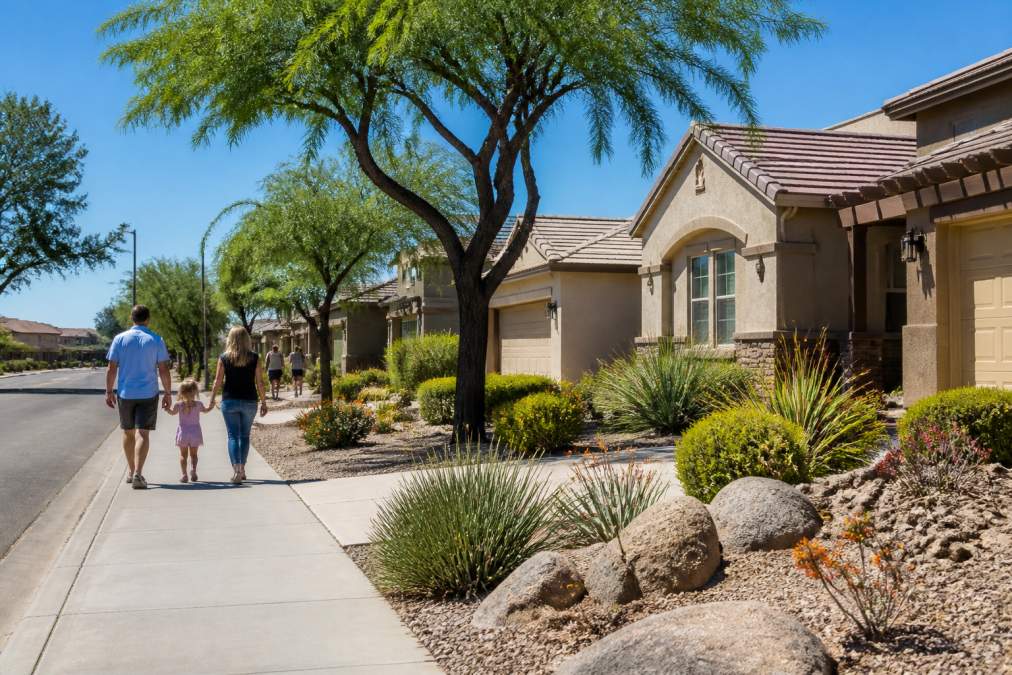
Neighborhoods within Chandler vary significantly. Older, established areas near downtown offer smaller lots and more modest home prices, while newer developments on Chandler's periphery feature larger homes, newer construction, and more extensive HOA amenities. Chandler's job market has strengthened considerably, with major employers including Intel, Microchip Technology, and numerous healthcare and professional services firms, allowing many residents to find work without commuting to central Phoenix.
Gilbert: Suburban Growth and New Development
Gilbert has experienced explosive growth over the past decade, transforming from a small agricultural town into a thriving suburban community. The city appeals strongly to families and younger professionals seeking newer homes and excellent schools. Gilbert's school district rivals Chandler's in academic performance, making it highly competitive in the housing market. New construction dominates Gilbert's landscape, offering modern homes with current building standards and energy efficiency. Gilbert's downtown area has developed with dining, shopping, and entertainment options, while the community emphasizes family activities, parks, and recreational facilities. Commute times to central Phoenix average 20-30 minutes depending on location and destination.
Scottsdale: Upscale Living and Amenities
Scottsdale represents the premium market segment in the Phoenix metropolitan area. Known for its upscale shopping, fine dining, golf courses, and resort-style living, Scottsdale attracts affluent professionals, retirees, and those prioritizing lifestyle amenities. Old Town Scottsdale maintains a vibrant cultural scene with galleries, restaurants, and entertainment, while newer developments in north Scottsdale feature contemporary architecture and commanding views. Housing prices in Scottsdale significantly exceed those in Chandler and Gilbert, but many residents consider the lifestyle benefits worth the premium.
Job Market and Employment Opportunities
The Phoenix metropolitan area has diversified its employment base significantly beyond construction and real estate. Technology companies, healthcare systems, aerospace manufacturers, and professional services firms now provide substantial job opportunities. Intel's presence in Chandler anchors the region's technology sector, while healthcare employment has grown substantially with major hospital systems expanding throughout the metro. When evaluating job prospects, research specific employers in your field. Remote work has also changed the equation, allowing many relocating professionals to maintain positions with out-of-state employers while enjoying Arizona's cost of living advantages.
Desert Climate and Heat Mitigation
Arizona's desert climate presents both advantages and challenges for newcomers. The region enjoys over 300 days of sunshine annually, minimal rainfall, and low humidity (ncei.noaa.gov). However, summer temperatures regularly exceed 110 degrees Fahrenheit, requiring significant adaptation and preparation (weather.gov).
Monsoon Season and Weather Patterns
Phoenix's monsoon season runs roughly from June through September, bringing dramatic afternoon thunderstorms that appear suddenly and dissipate quickly. These storms deliver intense rainfall, sometimes causing flash flooding in arroyos and low-lying areas. Dust storms, called haboobs, can precede monsoon activity, reducing visibility dramatically. Plan outdoor activities for mornings during summer months, ensure your home's drainage system handles intense rainfall, and keep emergency supplies accessible during monsoon season.
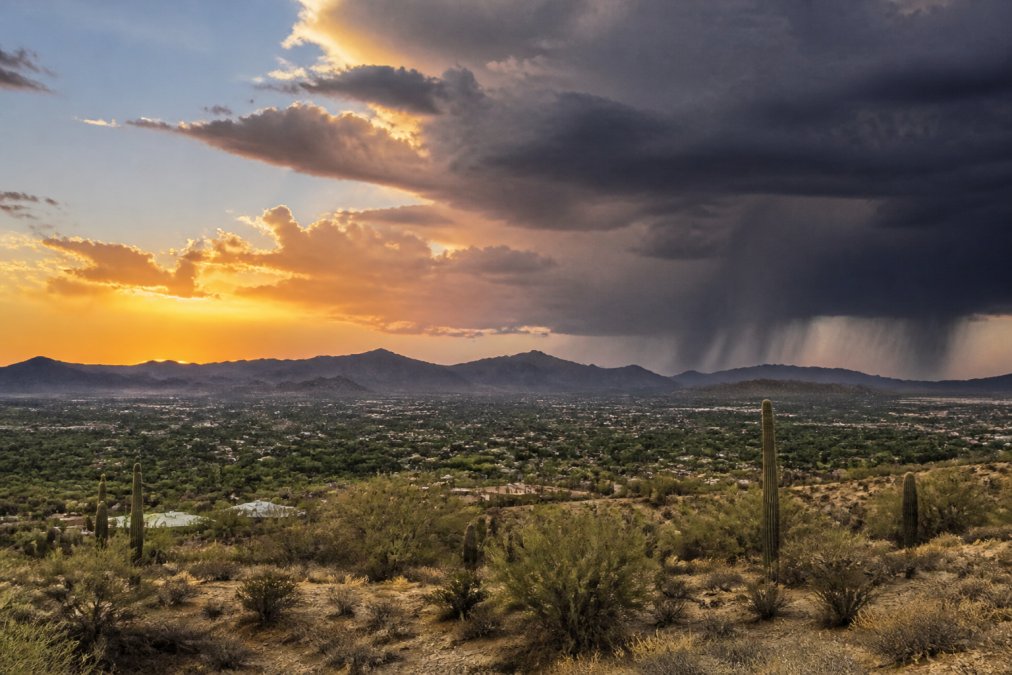
Winter weather in the Phoenix area is mild and pleasant, with temperatures rarely dropping below freezing and snow virtually nonexistent in the metro area. This makes outdoor recreation comfortable from November through March.
Xeriscaping and Yard Maintenance
Successful desert living requires rethinking traditional landscaping approaches. Xeriscaping uses native plants, rock features, and efficient irrigation rather than grass lawns. Communities like Chandler and Gilbert increasingly enforce xeriscaping standards through HOA requirements. Native Arizona plants like palo verde trees, desert willow, and various cacti thrive with minimal supplemental water. Air conditioning efficiency becomes critical in Arizona, modern homes with proper insulation, reflective roofing, and efficient HVAC systems manage summer cooling costs more effectively than older homes.
Phoenix Area Relocation Checklist
Relocating to a new metropolitan area involves numerous practical tasks. Breaking the process into phases helps ensure nothing falls through the cracks.
Before You Move
Start your relocation planning at least 2-3 months before your intended move date. Research neighborhoods thoroughly using online resources, but also plan a visit to drive neighborhoods at different times of day. Visit during summer if possible to experience the heat and understand air conditioning needs firsthand.
Secure employment before relocating if possible. Connect with local real estate professionals who understand the East Valley market. Bernie Krause specializes in East Valley properties and understands the nuances of these communities, their school districts, employment centers, and lifestyle characteristics. Working with someone who knows the market prevents costly mistakes and accelerates your decision-making. Arrange utility setup before your move date and research internet service providers serving your specific address, as availability varies by neighborhood.
Moving Day and After Arrival
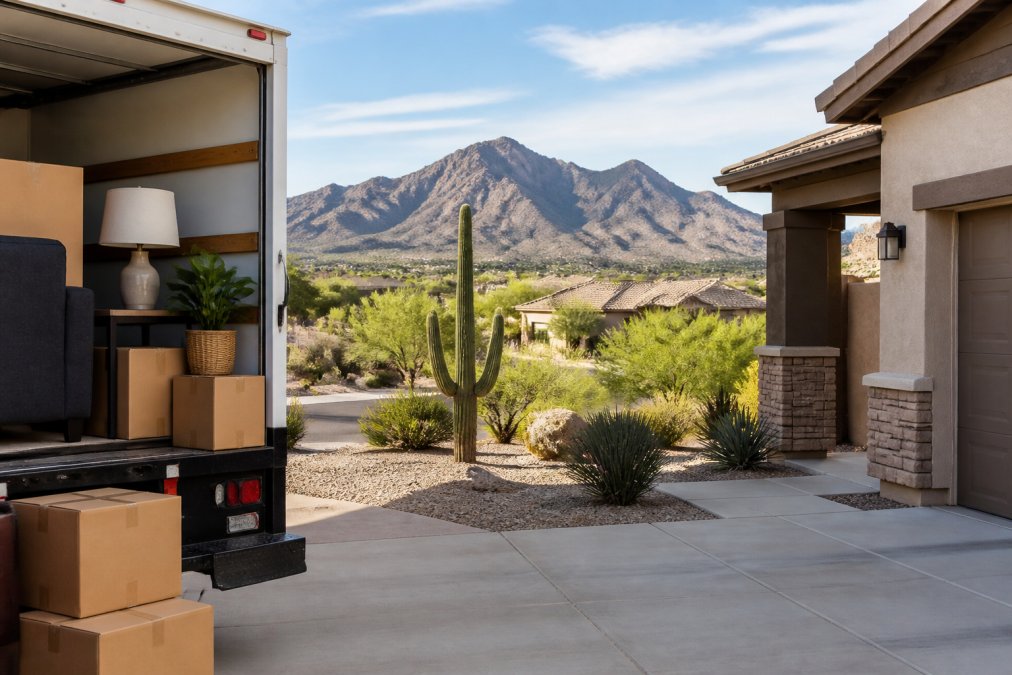
Coordinate your move logistics well in advance. Arizona's heat makes summer moving challenging and expensive. If possible, schedule your move for fall or winter when temperatures are moderate. Upon arrival, prioritize establishing local services by registering your vehicle, updating your address with banks and insurance companies, and establishing healthcare relationships. Explore your neighborhood and community by visiting local parks, shops, and restaurants. Join community groups or HOA meetings to understand neighborhood culture and governance.
Transportation and Commute Considerations
The Phoenix metropolitan area is fundamentally car-dependent. Public transportation exists but serves limited routes compared to older metro areas. Most residents own at least one vehicle, and commutes within the East Valley typically range from 15-30 minutes depending on home and workplace locations. Interstate 10 connects the East Valley to central Phoenix, serving as the primary commute corridor. The Loop 101 freeway rings the metro area, allowing some commutes to bypass downtown entirely. Some newer East Valley developments emphasize walkability and mixed-use design, reducing vehicle dependence for daily errands, though these remain exceptions rather than the rule.
Schools, Healthcare, and Community Resources
The Phoenix metropolitan area offers excellent educational options across public, charter, and private schools. Chandler and Gilbert school districts rank among Arizona's highest-performing, directly impacting property values and community desirability. Healthcare access throughout the Phoenix area is strong, with major hospital systems including Banner Health, HonorHealth, and Dignity Health operating facilities throughout the metro. Community resources in East Valley communities include public libraries, recreation centers, parks, and cultural facilities. Religious institutions, professional organizations, and social groups provide community connection and networking opportunities.
Moving to Phoenix area communities represents a significant life transition, but the region's growth, affordability, and lifestyle advantages make it an attractive destination. The East Valley offers particular appeal for families and professionals seeking newer communities with strong schools and employment opportunities. When planning your relocation, focus on understanding neighborhood characteristics, employment prospects, and practical logistics like utilities and transportation. Working with a knowledgeable local real estate professional like Bernie Krause ensures you navigate the market effectively and find a home and community matching your priorities. Begin your relocation planning early, visit during different seasons if possible, and connect with local professionals who can guide you toward the right choice for your family or career.
Frequently Asked Questions
What salary is needed to live comfortably in the Phoenix area?
Comfort depends on your lifestyle and family size, but most financial advisors suggest earning at least 3 times your annual housing costs. In the Phoenix area, this typically means a household income that covers rent or mortgage, utilities, transportation, and daily expenses without financial strain. First-time buyers should factor in property taxes, homeowners association fees, and Arizona state income tax when budgeting for homeownership.
What should I know about the cost of living in Phoenix area before moving?
The cost of living in Phoenix area is generally lower than many major metropolitan areas, though housing prices have increased significantly in recent years. Key expenses include higher-than-average air conditioning costs due to desert heat, property taxes that vary by neighborhood and county, and Arizona state income tax. Groceries and transportation costs align with national averages, making the overall cost of living index reasonable for relocators seeking affordability without sacrificing urban amenities.
What are the essential steps in a Phoenix area relocation checklist?
Start 8-12 weeks before your move: research neighborhoods and schools, get pre-approved for a mortgage, and connect with a local real estate agent familiar with East Valley communities. Four weeks out, secure movers, update your address with employers and financial institutions, and arrange utility setup. Two weeks before, confirm moving logistics and finalize your home purchase or rental. After arrival, register your vehicle, establish healthcare providers, and enroll children in schools. A comprehensive Phoenix area relocation checklist ensures nothing is overlooked during your transition.
What are the best neighborhoods for families in the East Valley?
Chandler, Gilbert, and Scottsdale offer strong family-oriented communities with excellent schools and recreational amenities. Chandler features planned communities with parks and libraries; Gilbert combines suburban growth with affordability; Scottsdale provides upscale living with top-rated schools. Each neighborhood has distinct characteristics, Chandler appeals to middle-income families, Gilbert to growing families seeking new construction, and Scottsdale to those prioritizing premium schools and amenities. Research specific subdivisions and homeowners associations to find the best fit for your family's needs.
How does the housing market differ between the East Valley and the rest of the metro?
The East Valley, including Chandler, Gilbert, and parts of Scottsdale, experiences different market dynamics than central Phoenix or West Valley areas. East Valley neighborhoods typically feature newer construction, planned communities, and family-oriented amenities, which can affect median home prices and property appreciation rates. Commute times to downtown Phoenix are longer from the East Valley, but the trade-off often includes larger homes, more green space, and established school districts. Understanding these differences helps relocators choose a location matching their work location, lifestyle, and investment goals.
Can I handle a home sale remotely if I'm relocating out of state?
Yes, many relocating homeowners successfully sell properties remotely with the right agent support. A local real estate agent can manage showings, coordinate inspections, handle paperwork, and keep you informed throughout the process. Virtual tours, digital signatures, and remote closing options make out-of-state sales feasible. However, you'll want an agent experienced in managing remote transactions and familiar with your specific neighborhood's market conditions to ensure your home sells competitively and efficiently.
This article was written using GrandRanker