 ultimate-guide
Is It Worth Buying New Construction Homes?
Table of Contents
- Pros and Cons of Buying New Construction Homes
- New Construction vs. Resale Homes: What's the Real Difference?
- Hidden Costs of New Construction Homes You Need to Know
- New Construction Home Inspection Checklist: What to Look For
- How to Negotiate with Home Builders
- Builder Warranty Coverage and What It Actually Protects
- Is New Construction Worth It? The Bottom Line
Last Updated: August 19, 2026
Pros and Cons of Buying New Construction Homes
New construction homes offer distinct advantages and disadvantages. The primary appeal is structural integrity, everything is brand new with builder warranties covering defects for a set period. Customization before completion allows you to select finishes and floor plans tailored to your preferences.
However, downsides are equally important. New construction homes appreciate more slowly than resale homes, and you're paying a premium for newness that doesn't always translate to better long-term value. Builder-grade materials are typically the cheapest options that meet code. Location is another constraint, new developments are usually built on outskirts, meaning longer commutes and less mature landscaping. Closing timelines are also longer and less predictable, tied to construction progress.
New Construction vs. Resale Homes: What's the Real Difference?
The choice between new construction and resale homes hinges on what you prioritize: predictability and newness versus character and established value.
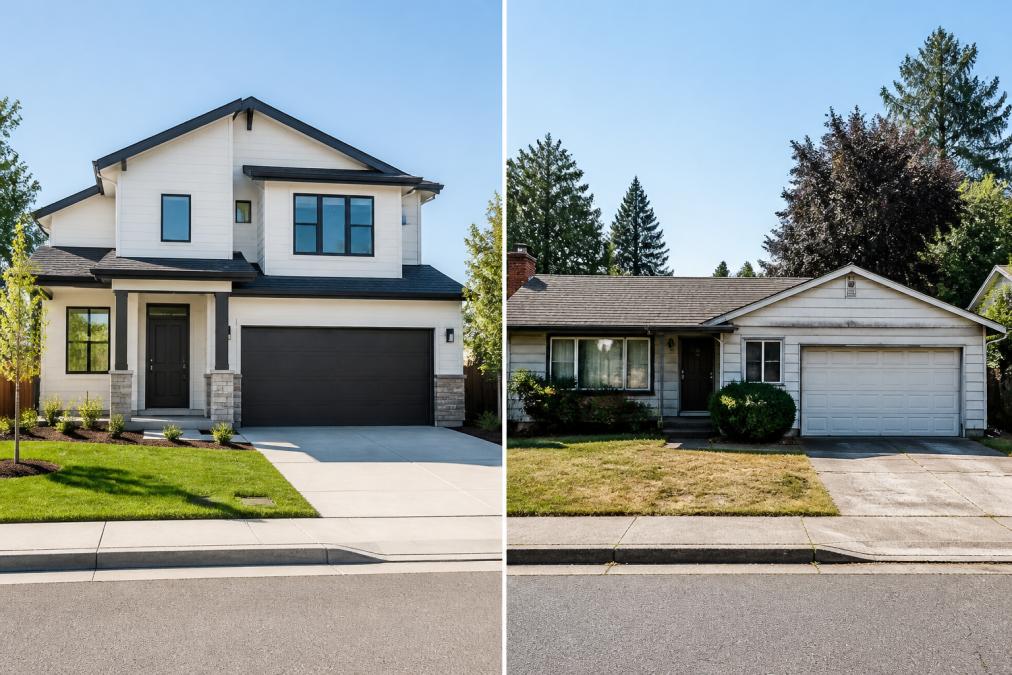
New construction homes offer move-in ready conditions with modern floor plans, open-concept layouts, and integrated smart home technology. Resale homes reflect older design preferences with smaller kitchens and compartmentalized layouts that may require upgrades.
Financially, new construction carries builder financing incentives and closing cost assistance, while resale homes require traditional negotiation. However, resale homes typically offer better price appreciation over 5-10 years because you're not paying the builder's profit margin.
Inspection processes differ significantly. Resale homes undergo comprehensive independent inspections, while new construction offers limited inspection access during construction and a cursory final walkthrough. Property taxes and HOA fees are often higher for new construction, and customization is limited to predefined options. New construction includes builder warranties covering structural defects and mechanical systems for 1-10 years, while resale homes are typically sold "as-is."
Hidden Costs of New Construction Homes You Need to Know
The sticker price on a new construction home rarely reflects actual cost. Builders list base prices excluding common upgrades, and buyers frequently discover expensive add-ons during the sales process.
Upgrade costs are the most obvious hidden expense. Kitchen upgrades cost $8,000-$15,000, bathroom upgrades $3,000-$8,000, and flooring upgrades $5,000-$12,000. Landscaping, typically minimal from builders, requires thousands in additional investment. Property taxes are higher initially because assessments are based on current market value. HOA fees in new construction communities frequently run $200-$400 monthly. Homeowners insurance costs 10-15% more initially, and utility deposits and setup fees add several hundred dollars.
The real cost of new construction homes often runs 15-25% higher than the advertised base price once you account for realistic upgrades, closing costs, landscaping, and initial utility setup.
New Construction Home Inspection Checklist: What to Look For
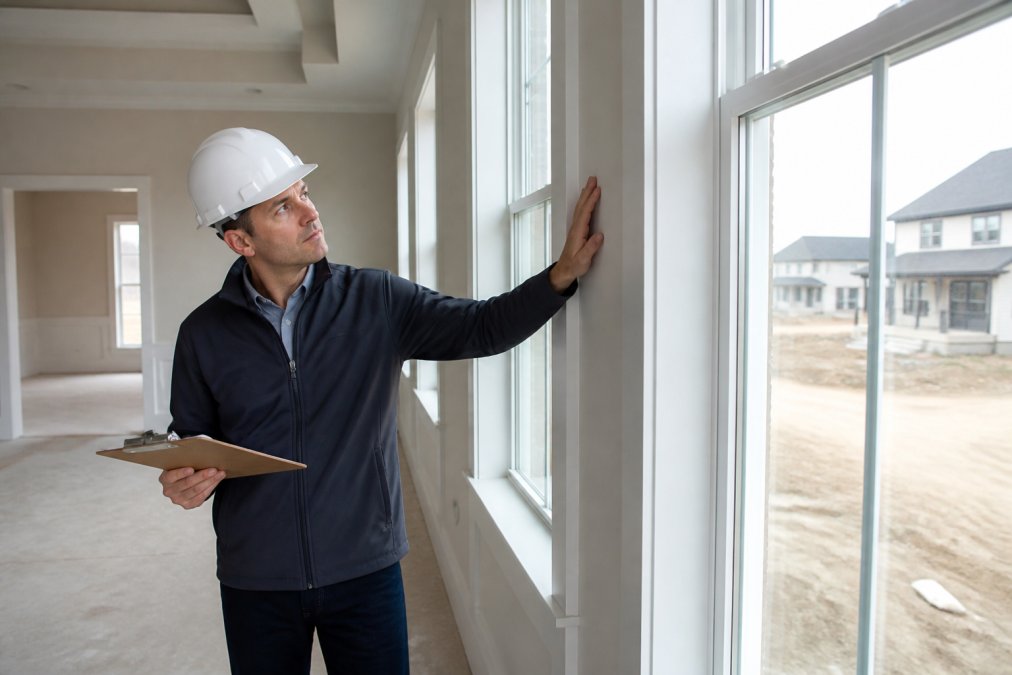
Home inspections for new construction differ fundamentally from resale inspections. Builders control access during construction, limiting what inspectors can examine. A thorough checklist compensates by focusing on what actually matters.
Foundation and Structural Elements
Inspect the foundation for cracks wider than 1/8 inch, settling, or water intrusion signs. Check basement or crawl space walls for water stains, efflorescence, or active moisture. Structural integrity issues discovered after closing are extremely expensive to remedy.
HVAC Systems and Mechanical Equipment
Verify that HVAC systems operate properly in heating and cooling modes. Check that all vents and returns are properly installed and unobstructed. Ask the builder for maintenance records and warranty coverage details.
Plumbing and Water Systems
Run water in every sink, shower, and toilet. Check for adequate water pressure and proper drainage. Look under sinks for leaks or loose connections. Test the water heater to confirm it's functioning.
Electrical Systems and Outlets
Test outlets in every room with a voltage tester. Check that light switches control the correct fixtures. Verify that the electrical panel is properly labeled. Confirm that GFCI outlets are installed in wet areas.
Windows and Doors
Operate every window and door to confirm smooth operation. Check for air leaks around frames. Inspect weatherstripping for proper installation. Look for gaps between frames and walls indicating improper installation.
Flooring and Wall Finishes
Walk through the entire home looking for gaps in flooring, uneven surfaces, or missing baseboards. Inspect walls for drywall imperfections, nail pops, or uneven paint.
Insulation and Energy Efficiency
Verify that insulation is visible in attic spaces and properly installed. Check for gaps or compression that reduce effectiveness. Confirm that the home meets advertised energy efficiency standards.
Appliances and Built-in Systems
Test every appliance included with the home. Verify that all controls and features function as intended. Document any defects for the builder to correct.
Grading and Drainage
Walk the property perimeter to confirm proper grading slopes away from the foundation. Look for standing water, erosion, or poor drainage.
Bring a detailed checklist to your final walkthrough, take photos of any concerns, and document everything in writing. The builder is typically obligated to correct defects identified during this walkthrough before closing.
How to Negotiate with Home Builders
Many buyers assume new construction prices are fixed, but builders have significant flexibility in negotiations. Understanding where leverage exists dramatically improves your negotiating position.
Price Negotiation Tactics
Direct price reductions are difficult because builders want to maintain published prices. However, builders frequently offer incentives that function as price reductions: closing cost assistance, upgraded appliances, landscaping allowances, or extended warranty coverage. Request these incentives explicitly.
Negotiate during slower sales periods when builders have inventory pressure. Fall and winter typically bring more flexibility than spring and early summer. Request builder financing incentives, builders often receive kickbacks for directing buyers to specific lenders and may reduce your price if you use their preferred lender.
Upgrade and Customization Negotiation
Negotiate upgrade selections before signing the purchase agreement. Once contractually committed, your negotiating power diminishes. Request builder-paid upgrades for specific items, especially if builder-grade options are significantly below your preferences.
Timeline and Contingency Negotiation
Negotiate closing date flexibility and request written contingencies that allow you to extend closing if the builder falls behind schedule. Request multiple walkthroughs and adequate time to identify defects before the final walkthrough.
Warranty and Protection Negotiation
Request extended warranty coverage on major systems like HVAC, roofing, and plumbing. Ensure the purchase agreement specifies that the builder will correct all identified defects before closing.
Builder Warranty Coverage and What It Actually Protects
Builder warranties sound protective until you read the fine print. Most builder warranties follow a tiered structure: structural defects are covered for 10 years, mechanical systems for 2-5 years, and cosmetic items for 1 year.
What Builder Warranties Actually Cover
Structural defects include foundation cracks, settling, water intrusion, and framing issues. Mechanical system defects include HVAC failures, plumbing leaks caused by installation defects, and electrical system failures. Roof leaks caused by installation defects are typically covered during the warranty period.
What Builder Warranties Exclude
Normal wear and tear is explicitly excluded. Damage caused by homeowner negligence is excluded. Cosmetic defects are typically covered only during the first year. Defects caused by third-party contractors are often excluded. Latent defects that don't manifest until after the warranty expires leave you with no recourse.
Warranty Claim Process
Most builders require written notice of defects within 30 days of discovery. The builder then has 30-60 days to inspect and respond. Many builder warranties require you to use the builder's contractors for repairs, making you dependent on the builder's service department.
Review the specific warranty document before closing and ask the builder to explain what's covered and what's excluded.
Is New Construction Worth It? The Bottom Line
Whether new construction homes are worth buying depends entirely on your priorities, timeline, and financial situation.
New construction makes sense if you prioritize predictability, modern systems, and minimal immediate maintenance. You're willing to pay a premium for move-in ready conditions and builder warranties. You're not planning to sell within five years. You want customization options and prefer new floor plans.
New construction makes less sense if you prioritize long-term appreciation and value. You're buying in an established neighborhood where resale homes offer better location. You're budget-conscious and want to avoid upgrade temptations. You're planning to sell within 5-7 years when appreciation matters most.
The financial calculation often favors resale homes over 10+ year ownership periods. However, new construction homes provide peace of mind through warranties and modern systems that may justify the premium if you're keeping the home long-term.
Market conditions matter significantly. In competitive markets where resale inventory is limited, new construction may be your only option. Work with someone who understands local market dynamics and can help you evaluate whether new construction or resale homes offer better value in your specific situation.
Buying a home is one of the largest financial decisions you'll make. Rather than relying on builder marketing or generic online advice, work with someone who understands your local market deeply and can objectively compare your options. Bernie Krause brings years of experience helping East Valley buyers evaluate new construction versus resale homes, negotiate effectively with builders, and avoid costly mistakes. Reach out to discuss your specific situation and get personalized guidance on whether new construction is the right choice for you.
| Factor | New Construction | Resale Homes |
|---|---|---|
| Move-in condition | Fully updated, modern systems | Varies, may need updates |
| Customization options | Limited to builder selections | Already complete, requires renovation |
| Price appreciation | Slower initial appreciation | Better long-term appreciation |
| Warranty coverage | 1-10 years depending on component | Typically none, sold as-is |
| Inspection access | Limited during construction | Full independent inspection possible |
| Location maturity | Developing areas, new neighborhoods | Established neighborhoods, mature landscaping |
| Closing timeline | Longer, builder-dependent | Shorter, more predictable |
| Hidden costs | Significant upgrade and HOA costs | Lower hidden costs, potential repairs |
| Negotiating use | Limited, builder controls process | Stronger, direct negotiation with seller |
Frequently Asked Questions
What are the main disadvantages of buying a new construction home?
New construction homes often come with higher upfront costs, including builder fees, upgraded finishes, and HOA fees. You may face longer closing timelines, limited customization options once construction begins, and the risk of builder bankruptcy during the building phase. Additionally, new homes can appreciate more slowly than resale homes in the first few years, and builder-grade materials may require earlier replacement than expected.
Is it better to buy a new construction home or an existing resale property?
It depends on your priorities. New construction homes offer energy efficiency, modern floor plans, builder warranties, and no surprise repairs for several years. Resale homes typically cost less, offer established neighborhoods, larger lots, and mature landscaping. First-time buyers often prefer new construction for predictability, while experienced buyers may find better value in resale properties. Consider your budget, timeline, and willingness to customize before deciding.
What hidden costs should I expect when buying a new build?
Beyond the purchase price, budget for property taxes (which may increase after the first year), HOA fees, builder upgrades and selections, closing costs, homeowners insurance, and potential landscaping completion. Some builders charge for options that seem standard, and utility costs may vary as the neighborhood develops. Always request a detailed cost breakdown from the builder and have your lender review the final loan estimate before closing.
How do builder warranties work for new construction properties?
Most builders offer a one-year warranty covering defects in workmanship and materials, a two-year warranty on major systems like HVAC and plumbing, and a ten-year structural warranty. However, these warranties are limited and often require you to document issues promptly. Coverage varies by builder and state regulations, so review the warranty document carefully. Many builders require you to use their approved contractors for repairs during the warranty period, which can limit your options.
[EXTERNAL_LINK: National Association of Home Builders new construction standards | nahb.org]
[EXTERNAL_LINK: Federal Trade Commission guidance on builder warranties and consumer protections | ftc.gov]
[EXTERNAL_LINK: American Society of Home Inspectors standards for new construction inspections | ashi.org]
This article was written using GrandRanker