 how-to
How to Increase Home Value in Chandler Before Selling
Table of Contents
- How to Increase Home Value in Chandler Before Selling: A Prioritized Plan
- What to Fix Before Selling a House: Repairs That Protect Your Asking Price
- Kitchen and Bathroom Updates With the Best Return on Investment
- Curb Appeal Improvements Before Selling: Landscaping and Exterior Updates
- Fresh Paint, Flooring, and Energy-Efficient Upgrades
- Home Staging Tips Before Selling That Help Buyers Say Yes
- What Not to Fix Before Selling a House: Projects That Rarely Pay Back
- Conclusion: Selling Your Chandler Home for Top Dollar
- Frequently Asked Questions
Last Updated: October 13, 2026
How to Increase Home Value in Chandler Before Selling: A Prioritized Plan
If you want to increase home value before selling, start with repairs, not renovations. Most Chandler sellers who try to increase home value spend money on the wrong projects first. This guide from Bernie Krause lays out a prioritized plan based on what East Valley buyers actually pay for. Fix the small stuff, refresh the visible surfaces, then decide if a bigger project makes sense.
Here is the short version: repairs protect your asking price, cosmetic updates raise it, and full remodels rarely pay you back.
Below, we break down each project by cost, effort, and realistic impact, so you know exactly where your money works hardest.
What to Fix Before Selling a House: Repairs That Protect Your Asking Price
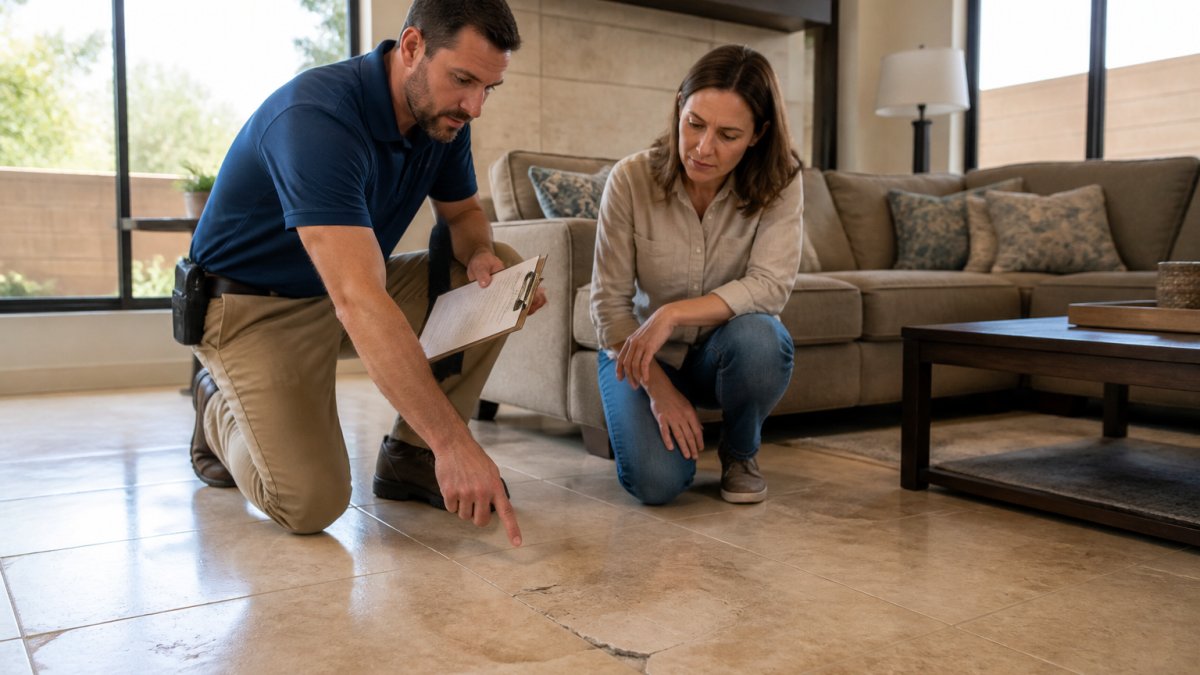
What to fix before selling a house comes down to one rule: repair anything a buyer's inspector will flag. These fixes do not add value, but skipping them costs you at the negotiating table.
Structural and Mechanical Systems Buyers Inspect Closely
Buyers and their inspectors look hard at the systems that are expensive to replace. Focus here first.
- Roof condition, including missing shingles and active leaks
- HVAC age and service records
- Water heater function and age
- Electrical panel and outlet safety
- Plumbing leaks under sinks and at supply lines
A common mistake is hiding a known problem instead of fixing it. Disclosure rules in Arizona require sellers to report material defects, so a cover-up usually costs more than the repair.
Minor Repairs That Signal a Well-Maintained Home
Small issues add up in a buyer's mind. Fix these before you list:
- Sticking doors and windows
- Running toilets and dripping faucets
- Burned-out light bulbs
- Chipped paint and scuffed baseboards
- Loose cabinet hardware and handles
Kitchen and Bathroom Updates With the Best Return on Investment
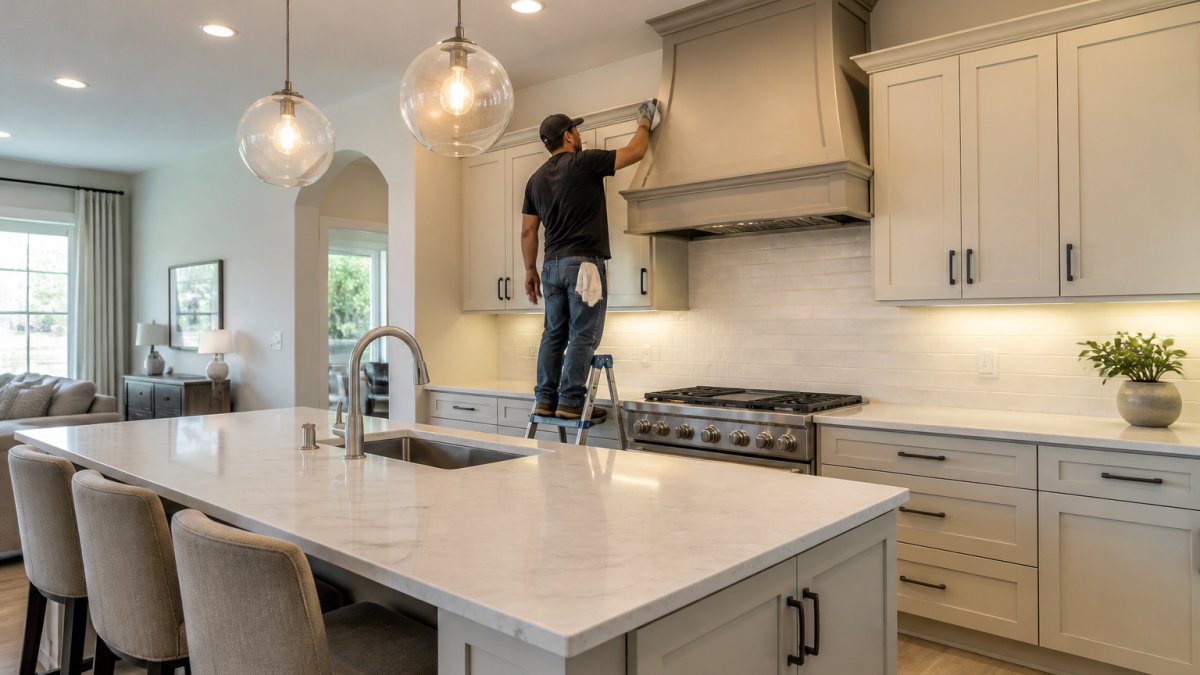
The kitchen and bathrooms sell the house, but the size of the project matters more than the room. A full kitchen remodel is the single most over-spent pre-sale project in most markets, while a targeted refresh is one of the highest-return moves a seller can make. The table below shows the trade-off.
| Project | Typical Pre-Sale Cost Range | Effort | Realistic Resale Impact |
|---|---|---|---|
| Cabinet resurfacing or refacing | Low four figures | Medium | High, updates the whole room for a fraction of new cabinets |
| Countertop replacement (laminate or mid-grade quartz) | Low to mid four figures | Medium | Medium to high |
| Faucet, hardware, and lighting swap | Low hundreds | Low | Medium, high visibility, low cost |
| Full kitchen remodel with custom finishes | Five figures and up | High | Low, rarely recouped at resale |
| Bathroom re-caulk, re-grout, new fixtures | Low hundreds to low four figures | Low | Medium to high |
| Full bathroom remodel or addition | Five figures and up | High | Low, over-improvement risk |
Cost ranges vary by scope, material grade, and contractor availability, so treat these as planning bands rather than quotes. The pattern is consistent: the smaller the project, the more of the spend a buyer is willing to pay for.
Cabinet Resurfacing, Countertops, and Fixtures
Cabinet resurfacing costs far less than new cabinets and looks nearly as good. Pair it with:
- New countertops in a neutral tone
- Updated faucets and cabinet hardware
- Modern lighting over the sink and island
These changes update the look without touching the layout. Keeping the layout is the point, moving plumbing or gas lines is where kitchen budgets explode and where resale payback collapses.
Bathroom Renovation on a Pre-Sale Budget
A full bathroom renovation rarely pays back before a sale. A light refresh does:
- Re-caulk tubs and showers
- Replace dated faucets and shower heads
- Swap old vanity lights for clean, bright fixtures
- Regrout tile that looks tired
Keep colors neutral. Bold choices shrink your buyer pool.
Where the Payback Actually Comes From
Buyers do not pay for your receipts. They pay for the absence of work. A kitchen that needs nothing reads as move-in ready; a kitchen with a half-finished remodel reads as a project. That is why a low-four-figure refresh often outperforms a five-figure remodel at the negotiating table, the buyer's mental math is about what they will have to spend after closing, not what you spent before listing.
Curb Appeal Improvements Before Selling: Landscaping and Exterior Updates
Curb appeal improvements before selling shape the first impression, and in Chandler that impression happens fast. Desert-friendly landscaping matters more here than a green lawn.
- Trim overgrown trees and shrubs
- Add fresh gravel or mulch in beds
- Replace dead plants with drought-tolerant options
- Power-wash the driveway and walkways
- Add outdoor lighting along the path and entry
A clean, low-water yard fits the local climate and appeals to buyers who do not want high water bills.
Fresh Paint, Flooring, and Energy-Efficient Upgrades
Fresh paint and flooring are the two updates buyers notice most, and both are affordable relative to the rooms they transform. Energy-efficient upgrades add long-term appeal on top, but only when they solve a problem the buyer can feel.
Paint: The Cheapest High-Impact Move
Interior paint is the lowest-cost, highest-visibility project on this list. A neutral whole-house repaint typically runs in the low four figures for an average home, and it resets every room at once. Prioritize:
- Walls in a warm neutral (greige, soft white, light taupe)
- Ceilings and trim in a clean white
- Front door and shutters in a contrasting accent
Skip bold accent walls. They photograph well and sell poorly.
Flooring: Fix Worn, Do Not Upgrade Fine
Flooring decisions follow one rule: replace what is damaged, clean what is not. Worn carpet, cracked tile, and scratched laminate drag down every room they touch. Refinishing hardwood or replacing carpet in the main living areas usually lands in the low to mid four figures and reads as a full refresh. If your floors are in good shape, a professional clean and a neutral area rug do the same job for far less.
Windows and Climate-Appropriate Improvements
Window replacement is a big spend, often five figures for a whole house, so weigh it carefully. In this climate, the mechanism is straightforward: older single-pane or failing dual-pane windows let heat in during summer and out during winter, which shows up on utility bills and in room-by-room comfort. Buyers touring in triple-digit heat notice a hot west-facing room immediately.
- If windows are old, drafty, or visibly fogged, replacement can support your asking price and remove an objection.
- If windows are in decent shape, new window treatments, fresh caulk, and weatherstripping capture most of the perceived benefit at a fraction of the cost.
- Solar screens and exterior shade are lower-cost alternatives that address the same heat-gain problem.
Energy-Efficiency Upgrades That Buyers Can Verify
Energy upgrades only help if the buyer can see or feel the result. The ones that tend to move the needle:
- Attic insulation brought up to current recommended levels
- A programmable or smart thermostat
- HVAC service records showing recent maintenance and filter changes
- LED lighting throughout
- A working drip irrigation system and shade trees on the west side
Each of these is a low-to-mid four-figure project at most, and each gives you something concrete to put in the listing, 'HVAC serviced 2026' and 'attic insulation updated' are verifiable claims, not vague promises.
| Project | Typical Cost Band | Effort | Realistic Resale Impact |
|---|---|---|---|
| Interior paint | Low four figures | Low | High |
| Flooring refresh (main areas) | Low to mid four figures | Medium | High |
| Window replacement | Five figures | High | Medium, only if old or failing |
| Attic insulation | Low to mid four figures | Medium | Medium |
| Thermostat and LED lighting | Low hundreds | Low | Low to medium |
Home Staging Tips Before Selling That Help Buyers Say Yes
Home staging tips before selling are about helping buyers picture themselves in the home. Staging is not decorating. It is clearing space and light.
- Declutter every room, including closets
- Remove personal photos and keepsakes
- Rearrange furniture to open up walkways
- Add bright, warm lighting
- Keep countertops nearly empty
If your home is empty, staged furniture helps buyers read the space. If you still live there, focus on light and open space.
What Not to Fix Before Selling a House: Projects That Rarely Pay Back
What not to fix before selling a house is just as important as what to fix. Some projects cost more than they return.
- Full kitchen remodels with custom finishes
- Luxury bathroom additions
- Pools and major outdoor structures
- Niche upgrades like home theaters
- Anything that reflects a personal style a buyer may not share
You rarely recover the full cost of these projects at resale. Spend that money on repairs and cosmetic updates instead.
Conclusion: Selling Your Chandler Home for Top Dollar
Getting top dollar takes a plan, not a big budget. Prioritize repairs, refresh the visible surfaces, and skip the projects that rarely pay back. That is how to increase home value in Chandler before selling without overspending.
Bernie Krause helps East Valley homeowners prepare, price, and sell with confidence. From a pre-sale walkthrough to a competitive pricing strategy, we handle the details so your home shows well and sells fast.
Get started with Bernie Krause and turn your prep work into a stronger offer.
Frequently Asked Questions
What should I fix before selling my house in Chandler?
Focus on items that show up in inspections: roof leaks, HVAC problems, water damage, and failing plumbing. Then handle visible wear like cracked tiles, torn screens, and scuffed walls. In Chandler's heat, a well-maintained AC unit and intact stucco matter to buyers because repair costs are top of mind. Fixing these protects your asking price and prevents buyers from negotiating down after the inspection.
Is it worth remodeling a kitchen before selling?
A full kitchen remodel rarely pays back its cost at resale. Cabinet resurfacing, new countertops, updated fixtures, and fresh paint deliver most of the visual impact for a fraction of the price. Buyers in Chandler respond to clean, functional kitchens more than high-end finishes. Save the full remodel unless your kitchen is genuinely outdated or damaged enough to hurt showings.
How long before selling should I start preparing my home?
Start four to eight weeks before listing. Use the first two weeks for repairs and contractor scheduling, since trades in the East Valley book out quickly. Then paint, flooring, and landscaping, followed by staging and photos in the final week. If you need permits for anything structural, add extra time. A staged, repair-free home typically sells faster and closer to asking price.
How can I improve curb appeal before listing my home?
Trim overgrown shrubs, refresh gravel or mulch, pressure-wash the driveway and walkways, and repaint the front door. Add outdoor lighting and clean the windows. In Chandler's climate, desert-friendly landscaping with healthy plants and neat gravel reads as low-maintenance to buyers. These curb appeal improvements cost little but shape the first impression before anyone steps inside.