 how-to
How to Ask for Seller Concessions on Closing Costs
Table of Contents
- What Are Seller Concessions on Closing Costs
- When to Ask for Seller Concessions During the Home Buying Process
- How Much to Ask for in Seller Concessions
- Seller Concessions Offer Letter Example and Wording
- Seller Concessions Negotiation Tips That Work
- Seller Concessions Versus Price Reduction: Which Is Better
- Common Mistakes to Avoid When Requesting Seller Concessions
- Frequently Asked Questions
Last Updated: October 10, 2026
What Are Seller Concessions on Closing Costs
Seller concessions on closing costs are contributions the seller makes toward your closing expenses during a home purchase. Instead of you paying the full amount, the seller agrees to cover part of these costs. This reduces the out-of-pocket money you need at closing.
Closing costs typically include loan origination fees, appraisal fees, title insurance, inspections, and attorney fees. These can add up to 2-5% of the home's purchase price (Determine your down payment). Learning how to ask for seller concessions on closing costs means understanding how a seller can help you afford these expenses.
Think of it this way: you're buying a home for $400,000. Your closing costs might be $12,000. If the seller agrees to a $5,000 concession, you only pay $7,000 at closing. The seller's concession reduces your financial burden at the end of the transaction.
When to Ask for Seller Concessions During the Home Buying Process
The best time to request seller concessions on closing costs is during the initial offer stage. Include your request in your purchase agreement when you first make an offer on the home. This gives you the strongest negotiating position.
Waiting until later in the process weakens your position. Once inspections are done and appraisals are complete, the seller knows you're committed. They're less likely to negotiate then.
Market conditions matter. In a slow market with few buyers, sellers are more open to concessions. When homes sell quickly and multiple offers come in, sellers rarely offer concessions. Pay attention to local market trends before you make your request.
Your agent can read the market and advise on timing. Some sellers view concession requests as a sign you can't afford the home. Others see them as normal negotiation.
How Much to Ask for in Seller Concessions
Ask for a concession amount that covers your actual closing costs. Get a loan estimate from your lender first. This document lists all your closing expenses. Use that number as your starting point.
Many buyers ask for 2-3% of the purchase price as a concession. On a $400,000 home, that's $8,000-$12,000. This typically covers most closing costs without seeming unreasonable to the seller.
Don't ask for more than your actual closing costs. Lenders have limits on how much sellers can contribute. Most lenders cap seller concessions at 3-6% of the purchase price, depending on your loan type. Going higher might not be allowed anyway.
Be realistic about the market. In a strong seller's market, ask for less. In a buyer's market, you can ask for more. Your real estate agent knows local norms and can guide you on what's reasonable.
Seller Concessions Offer Letter Example and Wording
Here's how to ask for seller concessions on closing costs by phrasing your request in a purchase agreement:
Example language: "Buyer requests that Seller contribute $9,500 toward Buyer's closing costs. This contribution shall be applied at closing and documented in the Closing Disclosure."
Keep it simple and specific. State the exact dollar amount. Specify that it applies to closing costs, not the purchase price reduction.
Some agreements use different wording:
Alternative phrasing: "Seller agrees to pay up to $9,500 in closing costs on behalf of the Buyer at the time of closing."
The key is clarity. Both you and the seller need to understand exactly what's being offered. Ambiguous language causes problems later.
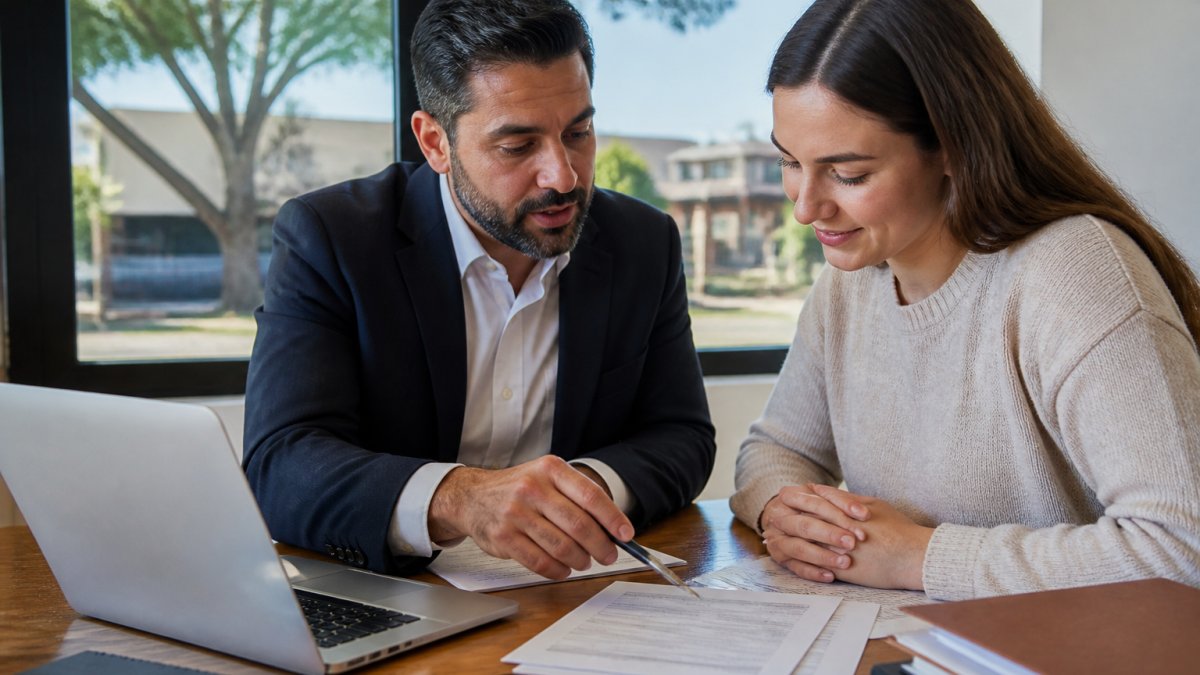
Your agent will include this language in the official purchase agreement. Don't try to write it yourself. Real estate contracts have specific legal requirements. Your agent knows the correct format for your state and local market.
Seller Concessions Negotiation Tips That Work
Start with a reasonable number. Don't ask for the maximum you hope to get. This gives room for negotiation. If you ask for $10,000 and the seller counters with $6,000, you've still gotten help.
Explain why you need the concession. If your down payment is solid but closing costs are high, say that. Sellers respond better when they understand your situation. "We're putting 10% down and have strong credit, but closing costs are higher than expected" sounds better than "We can't afford closing costs."
Bundle your requests. If you're also asking for repairs or asking the seller to pay for a home warranty, group these together. This helps the seller see the total package rather than feeling nickel-and-dimed with separate requests.
Make your offer strong in other ways. A higher purchase price, faster closing date, or fewer contingencies make sellers more willing to offer concessions. They're trading something they want for something you need.
Seller Concessions Versus Price Reduction: Which Is Better
Both seller concessions on closing costs and price reductions help your wallet, but they work differently. A price reduction lowers what you pay for the home. A concession covers your closing expenses.
Here's the key difference: a price reduction helps you long-term because your mortgage is smaller. A concession only helps at closing. Over a 30-year loan, the price reduction saves far more money.
Example: You're buying a $400,000 home with a $320,000 mortgage at 7% interest.
A $10,000 price reduction means your mortgage is $310,000. Over 30 years, you save roughly $30,000 in interest payments.
A $10,000 seller concession means you pay $10,000 less at closing, but your mortgage stays at $320,000. You save $10,000 today but nothing long-term.
However, concessions make sense if you're short on cash at closing. A price reduction doesn't help if you can't close the deal. Concessions solve an immediate cash problem.
Talk to your lender about which option works better for your situation. Some loan types have rules about price reductions versus concessions. Your lender can explain how each affects your loan approval.
Common Mistakes to Avoid When Requesting Seller Concessions
Don't ask for concessions without understanding your actual closing costs. Get your loan estimate first. Asking for a random number wastes negotiating power.
Don't ask for more than lender limits allow. Most conventional loans cap seller concessions at 3% of the purchase price. FHA loans allow up to 6%. USDA loans allow up to 3%. Asking for more than your loan allows means the concession won't count.
Don't assume every seller will negotiate. Some sellers have multiple offers and won't budge. Others have already sold their next home and need the full price. Market conditions matter. Your agent should tell you whether to ask.
Don't make concession requests seem like demands. Phrase them as requests. "We'd appreciate if you could help with closing costs" works better than "We need you to pay our closing costs." Tone matters in writing.
Don't ignore other deal terms. If you're asking for concessions, don't also ask for major repairs, extended closing timelines, or other costly requests. Sellers have limits on what they'll negotiate.
Getting this right can mean thousands of dollars in your pocket at closing.
Frequently Asked Questions
Can you use seller concessions for closing costs?
Yes, seller concessions can cover closing costs, which typically include loan origination fees, title insurance, appraisal fees, and property taxes. When you request seller concessions on closing costs, the seller agrees to contribute funds at closing to offset these expenses. This reduces the amount of cash you need to bring to the closing table. Most lenders allow seller concessions up to a percentage of the purchase price, though limits vary by loan type.
How much can you ask for in seller concessions?
The amount you can request depends on your loan type and local market conditions. Conventional loans typically allow seller concessions up to 3% of the purchase price, while FHA loans may permit up to 6%, and VA loans up to 4%. In a buyer's market, sellers are more willing to negotiate higher concessions. Your real estate agent can advise what's reasonable based on current market conditions and the property's position.
When should I ask for seller concessions in a home purchase?
Include your request for seller concessions in your initial offer, not after the seller accepts. This gives you negotiating room and prevents the seller from feeling blindsided. If you didn't request concessions in your first offer, you can still ask during negotiations if the inspection reveals issues or appraisal concerns arise. Timing matters: asking early in the process is more effective than waiting until just before closing.
How do seller concessions affect a purchase offer?
Seller concessions reduce your out-of-pocket costs at closing but don't change the purchase price on the appraisal or loan documents. From the lender's perspective, you're borrowing slightly less because closing costs are reduced. Some sellers view concessions as reducing their net proceeds, which can make your offer less attractive than one without concessions. In competitive markets, offers without concession requests may be more appealing to sellers.
Asking for seller concessions on closing costs is a normal part of home buying. The key is timing, clarity, and realistic expectations. Work with your real estate agent to craft a request that makes sense for your situation and the current market. With the right approach, you can reduce your out-of-pocket costs and make homeownership more affordable. Bernie Krause can guide you through this negotiation and help you understand what's reasonable in your local market.