 how-to
How Home Improvements Affect Property Valuation
Table of Contents
- How Home Improvements Affect Property Valuation in Maricopa County
- Understanding Property Assessment and Improvement Value
- Which Home Improvements Most Impact Valuation
- Assessment Timing: When Improvements Trigger Revaluation
- Home Improvements and Property Taxes: What You Need to Know
- Accessing Maricopa County Assessor Property Records
- Filing a Maricopa County Property Valuation Appeal
- Frequently Asked Questions
Last Updated: October 12, 2026
How Home Improvements Affect Property Valuation in Maricopa County
When you renovate your home, you're investing in more than just aesthetics. Your kitchen remodel, bathroom upgrade, or room addition directly affects how the county assesses your property's value. Understanding how home improvements property valuation works helps you make smarter renovation decisions and anticipate how those changes will impact your property taxes.
At Bernie Krause, we work with homeowners throughout the East Valley who want to maximize their property value before selling.
The relationship between home improvements property valuation isn't always straightforward. Some upgrades significantly boost your home's assessed value. Others add comfort and appeal but barely move the needle on your tax bill. Knowing the difference helps you plan renovations strategically.
Understanding Property Assessment and Improvement Value
The Difference Between Market Value and Assessed Value
Market value is what a buyer would pay for your home today. Assessed value is what the county uses to calculate your property taxes. These two numbers are often different.
Market value reflects current demand, location, and condition. If homes in your neighborhood are selling for $500,000, that's your market value. Assessed value is typically lower. The county uses a formula to determine this figure, often expressed as a percentage of market value.
Here's why this matters: when you add improvements, both values can increase. But the assessed value increase is what directly affects your property tax bill.
How Improvements Add Value to Your Property
Home improvements add value in two ways: they increase the land value calculation and the improvement value. The county separates these on your property record.
When you build an addition, finish a basement, or upgrade major systems, the county typically adds that square footage and cost to their records. This increases your property's total assessed value.
Some improvements are considered "capital improvements" by the assessor. These are permanent additions that extend the life of your home or add new functionality. Others are repairs or replacements that simply maintain the home's current condition.
The timing of assessment matters too. The county doesn't always catch improvements immediately. There's often a lag between when you finish a project and when the assessor updates your record.
Which Home Improvements Most Impact Valuation
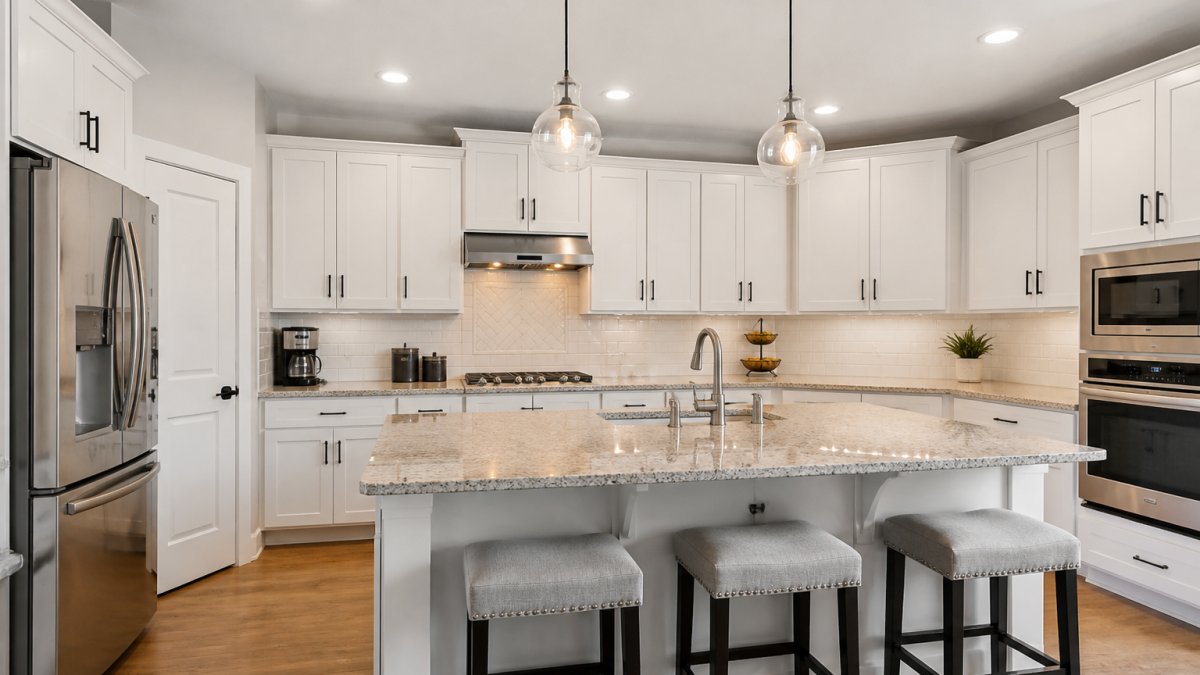
High-Impact Improvements: Kitchen and Bathroom Remodels
Kitchen and bathroom remodels are the most visible improvements to assessors. These projects involve new fixtures, flooring, and sometimes structural changes. The county tracks them closely because they're common and substantial.
A full kitchen remodel, new cabinets, countertops, appliances, flooring, and lighting, signals a major capital improvement. The assessor will add the estimated cost of that work to your property record.
Partial upgrades have less impact. Replacing just the countertops or appliances might not trigger a reassessment if the county doesn't discover the change.
The key factor is whether the work requires a building permit. Permitted work gets documented. Unpermitted work might go unnoticed by the assessor, but doing unpermitted work creates other legal and safety risks.
Structural and Addition Projects
Adding a room, finishing a basement, or building a deck creates new square footage. This has the biggest impact on assessed value because you're literally expanding the home.
A 400-square-foot addition adds significant value. The county calculates the cost per square foot for similar construction in your area and applies that to your new space.
Room additions and second stories are permanent improvements that substantially increase your home's assessed value. Decks and patios also count, though their impact is usually smaller than interior additions.
Structural improvements like new roofs, HVAC systems, or electrical upgrades also trigger reassessment, especially if they're substantial. Replacing an old roof with a new one is a capital improvement that the assessor will note.
Lower-Impact Improvements and Cosmetic Updates
Paint, landscaping, and interior decorating don't typically affect assessed value. These are cosmetic changes that improve appeal but don't add structural value or square footage.
Flooring upgrades fall into a gray area. Replacing old carpet with new carpet might not trigger reassessment. But installing hardwood floors throughout the home could, depending on the scope and cost.
Energy-efficient upgrades like new windows, insulation, or solar panels can affect assessed value. Some counties give tax incentives for solar installations, which might actually lower your assessment temporarily.
The rule of thumb: if the improvement adds square footage, replaces a major system, or requires a building permit, it likely affects your assessed value. If it's cosmetic or a simple replacement, it probably doesn't.
Assessment Timing: When Improvements Trigger Revaluation
Building Permits and County Assessment Records
The Maricopa County Assessor's office uses building permits as a primary source for identifying improvements. When you pull a permit, you're essentially notifying the county that a capital improvement is happening.
After the permit is issued and the work is completed, the county inspector typically verifies the work. Once verified, the improvement gets added to the property record. This is when your assessed value increases.
The timeline varies. Some improvements get added to your record within a few months. Others take longer, especially if the assessor's office is busy or if there's a backlog.
If you don't pull a permit for work that should have one, the county might still discover it during a routine reassessment or through aerial imagery updates.
The Lag Between Construction and Valuation Notice
Here's an important detail: there's often a gap between when you finish a project and when the county updates your valuation.
Many counties reassess properties annually. Your improvement might be completed in March, but the county might not update your record until the next annual assessment cycle.
Some improvements are caught in a mid-year reassessment. Others wait until the next fiscal year. The Maricopa County Assessor's office typically conducts reassessments on a set schedule, though they can trigger a reassessment sooner if a major improvement is discovered.
Understanding this lag helps you plan. If you're selling your home soon after a major renovation, the assessed value might not have increased yet.
Home Improvements and Property Taxes: What You Need to Know
Your property tax bill is calculated by multiplying your assessed value by the local tax rate. When your assessed value increases due to improvements, your tax bill increases proportionally.
A $50,000 increase in assessed value might raise your annual property taxes by $500 to $1,000, depending on your local tax rate. Over time, this adds up.
Some improvements deliver better returns on investment than others. A kitchen remodel might increase your home's market value by 60% of what you spent. A bathroom remodel might return 50-70%.
When you sell your home, the new owner inherits the higher assessed value. If you're planning to stay in your home long-term, the increased property taxes are a cost of ownership.
Accessing Maricopa County Assessor Property Records
How to Review Your Property Records Online
The Maricopa County Assessor's office maintains public property records online. You can search by address, parcel number, or owner name.
Visit the Maricopa County Assessor's official website to access the public records portal. Search for your property and review your current assessed value, land value, improvement value, and property classification.
Your property record shows the breakdown of your home's assessed value. The land value is listed separately from the improvement value.
Print or download your record for your files. This document is useful if you're planning to appeal your assessment or if you're selling your home and want to understand your current valuation.
Identifying Errors in Your Valuation
Review your property record carefully for errors. Common mistakes include:
- Incorrect square footage (the county might have your home listed as larger or smaller than it actually is)
- Improvements that were never added to your record despite being permitted and completed
- Improvements attributed to your property that you never made
- Incorrect property classification or zoning information
- Duplicate structures or rooms counted twice
If you spot an error, document it. Take photos of your home if the square footage is wrong. Gather permits and receipts for work you completed. These documents support an appeal if needed.
Some errors are easy to fix. A simple square footage correction might be resolved with a phone call and documentation. Others require a formal appeal process.
Filing a Maricopa County Property Valuation Appeal
Steps to Challenge Your Assessment After Improvements
If you believe your assessed value is incorrect after completing improvements, you have the right to appeal.
First, gather your evidence. This includes your original property record, your current record, photos of the improvements, building permits, contractor receipts, and any other documentation that supports your position.
Contact the Maricopa County Assessor's office to request an informal review. Many assessment disputes are resolved at this stage without a formal appeal.
If the informal review doesn't resolve the issue, file a formal appeal. The Arizona Department of Revenue provides guidance on property tax appeals for homeowners.
The appeal deadline is usually within a specific timeframe after you receive your valuation notice. Miss the deadline and you lose your right to appeal that year.
Documentation and Evidence You'll Need
Strong documentation is essential for a successful appeal. Gather:
- Your original property record and your current record showing the assessed value change
- Building permits for any work you completed
- Contractor invoices and receipts showing the cost of improvements
- Photos of the completed work
- Comparable property assessments (other similar homes in your area and their assessed values)
- Professional appraisals if you had one done
- Any correspondence with the assessor's office about the property
Organize this documentation clearly. Create a timeline showing when work was completed and when the assessed value changed. Write a brief summary explaining why you believe the assessment is incorrect.
If you're appealing because an improvement wasn't added to your record, show the permit and photos.
For complex appeals or if you've had difficulty resolving the issue informally, consider consulting a property tax professional or attorney who specializes in assessment appeals.
Your home improvements deserve to be valued fairly. Understanding how they affect your property valuation helps you make informed decisions about renovations and manage your property tax expectations.
At Bernie Krause, we help homeowners in the East Valley navigate property valuation and make smart decisions about their homes.
Frequently Asked Questions
Do home improvements increase property value for tax purposes?
Yes, significant home improvements typically increase your property's assessed value, which can raise your property tax bill. The county assessor reviews building permits and property records to identify improvements. Not all updates trigger reassessment, cosmetic changes like paint or landscaping usually don't affect valuation, but structural additions, kitchen remodels, and bathroom upgrades generally do. The timing and scope of the improvement determine whether and when your assessed value increases.
How does Maricopa County assess property value after renovations?
The Maricopa County Assessor identifies improvements through building permits and physical inspections. Once a permit is issued, the improvement is added to the property record and included in the next valuation cycle. The assessor calculates improvement value separately from land value, using comparable properties and cost data. Reassessment typically occurs within 12-18 months of project completion, though timing varies. You can check your property records online through the county assessor's website to see what improvements have been recorded.
Can I appeal my property valuation after a home improvement?
Yes, you can file a valuation appeal if you believe the assessed value is incorrect after improvements. The appeal process in Maricopa County involves submitting a formal request with documentation, including building permits, completion receipts, and comparable property data, to support your case. You have until the deadline specified on your valuation notice to file. Hiring a professional appraiser or tax consultant can strengthen your appeal, especially if the county's valuation seems inflated relative to actual improvement costs and market conditions.
Which home improvements are most likely to affect my property valuation?
Kitchen and bathroom remodels, room additions, roof replacements, HVAC upgrades, and new flooring significantly impact valuation. Major structural work and energy-efficient improvements also increase assessed value. Minor cosmetic updates, paint, landscaping, or deck staining, typically don't trigger reassessment. The county focuses on improvements that add functional living space or replace major systems. If you're unsure whether your project will be assessed, check your building permit and contact the Maricopa County Assessor's office before starting work.