 listicle
Is Buying a Fixer Upper Worth It? 2026 Guide
Table of Contents
- The Financial Reality of Buying a Fixer Upper
- Calculating Total Investment: Purchase Price Plus Renovation Costs
- Signs of a Money Pit House to Avoid
- Renovation Loan Options for First-Time Buyers
- Average Cost of Home Renovations in Arizona
- Return on Investment and Resale Value
- Is a Fixer Upper Right for You?
- Frequently Asked Questions
Last Updated: September 19, 2026
The Financial Reality of Buying a Fixer Upper
Buying a fixer upper in East Valley requires honest math before emotion takes over. The question isn't whether fixer uppers can work, they can, the question is whether a fixer upper worth it for your specific situation. The real question is whether THIS fixer upper, at THIS price, with YOUR budget and timeline, actually pencils out. Too many buyers fall in love with potential and ignore the gap between purchase price and true total investment.
Bernie Krause is committed to helping clients navigate the housing market. Bernie provides expert guidance and support throughout the entire process. The difference between a smart investment and a money pit often comes down to one thing: whether you calculated the actual renovation costs before making an offer.
Here's what separates successful fixer upper purchases from regrettable ones: buyers who win understand that the purchase price is only the beginning. Closing costs, permits, unexpected structural repairs, labor availability in Arizona's current market, and the time cost of managing a renovation all add up fast. A home that looks like a bargain at $280K can easily become a $400K+ project once you factor in everything.
The most common mistake is assuming you'll save money by doing work yourself or hiring unlicensed contractors. Arizona's licensing requirements exist for a reason, unpermitted work kills resale value and creates liability issues when you try to sell. Appraisers will catch it, and buyers will walk away.
Calculating Total Investment: Purchase Price Plus Renovation Costs
Your total investment in a fixer upper equals three things: purchase price, renovation costs, and carrying costs during the project.
Many buyers focus only on the first two and ignore the third. If your renovation takes six months, you're paying mortgage, property taxes, insurance, and utilities on a house you can't live in or rent out. That's real money bleeding out every month.
Start with a contractor estimate, not a guess. Get at least two bids for major systems: HVAC, plumbing, electrical, roofing, and foundation work. These four categories typically represent 50-60% of renovation budgets. Minor cosmetic work (paint, flooring, fixtures) is easier to estimate and often comes in closer to expectations.
The 10-20% rule is worth understanding, though it's not a hard rule. It suggests that renovation costs should not exceed 10-20% of the home's post-renovation value. A home that will appraise for $400K after updates shouldn't cost more than $40K-$80K to renovate. If your estimates exceed that range, the property may not be worth pursuing.
Here's the uncomfortable truth: contractor estimates are often low. Materials get discovered during demo that weren't visible before. Supply chain delays in Arizona can add weeks or months. Labor availability fluctuates. Build in a 15-20% contingency on top of your estimates, not as a nice-to-have but as a requirement.
Use tools like CostToRenovate's project estimation calculator to break down costs by room and system. This forces you to think through what actually needs updating versus what you'd like to update.
| Cost Category | Typical Range | Notes |
|---|---|---|
| HVAC System | $5K-$12K | Arizona heat demands efficient cooling |
| Plumbing Updates | $3K-$10K | Old copper vs. modern materials varies widely |
| Electrical Panel Upgrade | $2K-$5K | Required for many older homes |
| Roof Replacement | $8K-$18K | Depends on pitch and material choice |
| Foundation Repair | $5K-$25K+ | Most unpredictable cost category |
| Cosmetic (paint, flooring, fixtures) | $10K-$30K | Varies by scope and finishes |
Signs of a Money Pit House to Avoid
Not every fixer upper is worth fixing. Some properties have structural or systemic problems that make renovation costs prohibitive relative to the final value.
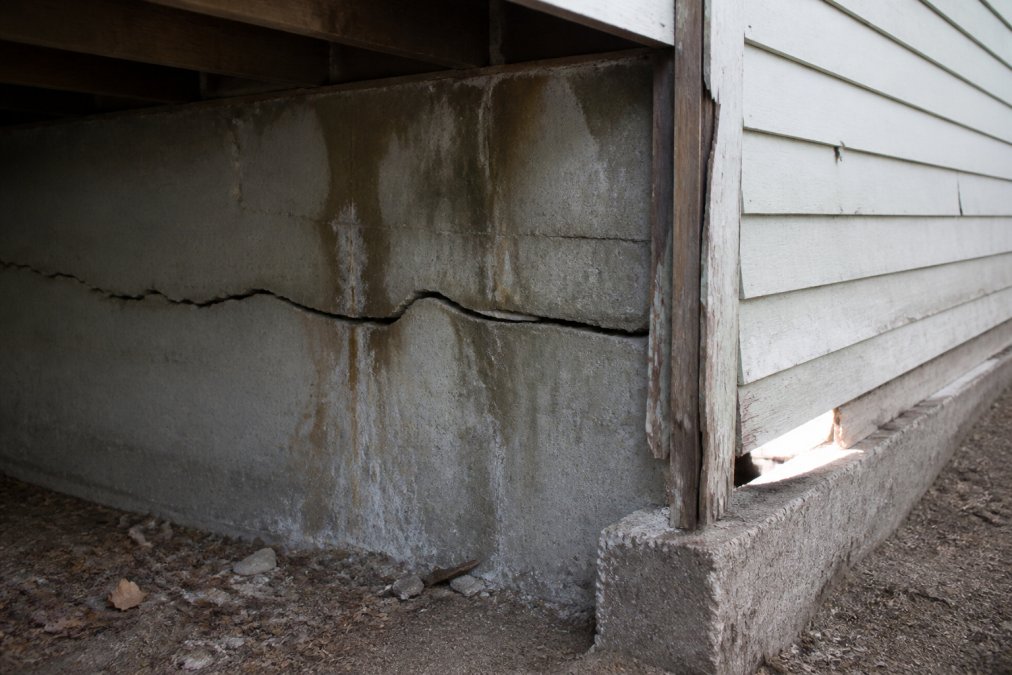
Foundation issues are the biggest red flag. Horizontal cracks, bowing walls, or settling that causes doors and windows to stick are expensive to fix and hard to hide from future buyers. Get a structural engineer's report, not just a general home inspection. Arizona's soil can shift with moisture changes, and older foundations sometimes lack proper reinforcement. Repair costs easily exceed $15K-$30K+ and are nearly impossible to finance through standard renovation loans.
Outdated electrical systems present both safety and cost problems. Homes with aluminum wiring or two-prong outlets throughout need comprehensive rewiring. This isn't cosmetic, it's a safety issue and a deal-killer for many buyers. Knob-and-tube wiring is even worse and typically requires complete replacement.
Severe water damage or mold indicates deeper problems. Surface mold you can clean. Structural mold or water intrusion that's penetrated framing requires remediation specialists and often involves removing and replacing sections of the home. Arizona's dry climate helps, but monsoon season and poor drainage create real risks.
Roof condition matters more than many buyers realize. An old roof isn't just cosmetic, it's a ticking clock. Arizona's intense sun degrades shingles faster than cooler climates. If you're buying a home with a roof that's 15+ years old, budget for replacement within 2-3 years. Delaying this purchase issue compounds interest costs if you finance it later.
Plumbing problems in older homes often mean galvanized pipes or cast iron that's corroding. Partial replumbing is expensive and disruptive. Full replumbing of a 1,500+ square foot home runs $8K-$15K minimum.
Ask your inspector specifically about these systems. Don't accept vague answers. If the inspector finds significant issues in any of these categories, get a specialist's quote before proceeding.
Renovation Loan Options for First-Time Buyers
Standard mortgages don't work for fixer uppers because the property doesn't appraise at its after-renovation value yet. Lenders need options that account for the work ahead.
FHA 203(k) loans are the most common path for first-time buyers. These allow you to borrow for both the purchase and the renovation in a single loan. The lender requires a detailed scope of work and contractor estimates before approval. The process is slower than a standard mortgage, typically 45-60 days, but it solves the chicken-and-egg problem of needing money to renovate before the home appraises higher.
Conventional renovation loans exist but require stronger credit and larger down payments (typically 15-20%). They're faster than FHA loans if you qualify, but less accessible for first-time buyers.
Portfolio lenders or local banks sometimes offer renovation financing with more flexibility than national lenders. These loans often have higher rates but faster approval and less paperwork. If you have a relationship with a local bank, ask about their renovation lending options.
A home equity line of credit (HELOC) on an existing property can fund a fixer upper purchase if you have sufficient equity. This is only an option if you already own a home, but it's worth considering if you do.
AmeriSave Mortgage's renovation loan calculator can help you compare financing options and understand monthly payments across different loan types.
The key point: don't assume you can't afford to finance a renovation.
Average Cost of Home Renovations in Arizona
Arizona renovation costs vary by project type and location, but some patterns hold across the East Valley market.
Return on Investment and Resale Value
Not every renovation dollar comes back at resale. Some projects return 80-100% of cost; others return 40-60%. Knowing the difference prevents overspending on updates that won't move the appraisal needle.
Is a Fixer Upper Right for You?
Fixer uppers work for specific buyer profiles. Understanding whether you fit that profile saves time and money.
- You have cash reserves beyond your down payment and renovation budget. Unexpected costs happen. Without a financial cushion, you're one surprise away from stress.
- You can tolerate living through or managing a renovation. If you need to move in immediately, a fixer upper creates chaos.
- You have time to manage contractors and decisions. Renovation projects require active oversight. If you're traveling for work or have limited bandwidth, hire a project manager or reconsider.
- You plan to stay in the home for at least 3-5 years. Short holding periods don't allow time to recoup renovation costs through appreciation.
- You understand the East Valley market and neighborhood appreciation patterns. Some neighborhoods appreciate faster than others. Investing in a declining neighborhood is a losing bet regardless of renovation quality.
You're not a good fit if:
- Your down payment depletes your savings. You need reserves for contingencies.
- You can't secure renovation financing or your credit limits your options. FHA loans require 580+ credit scores; conventional loans typically require 620+. If you don't qualify, wait and improve your credit first.
- You're uncomfortable with uncertainty. Fixer uppers always surprise you. If that stress is unbearable, buy a move-in ready home.
- You lack experience managing contractors or projects. Hire a project manager if this is your first renovation.
- You're buying in a declining neighborhood or market. Location matters more than the condition of the house.
Frequently Asked Questions
Is it wise to buy a fixer-upper house?
Whether a fixer upper is worth it depends on your financial position, timeline, and risk tolerance. If you have adequate capital reserves, access to renovation financing, and realistic expectations about timelines and costs, a fixer upper can build sweat equity and long-term property appreciation. However, if you're stretched financially or need to move in quickly, a move-in ready home may be the safer choice. Get a thorough home inspection and detailed contractor estimates before deciding.
What are the hidden costs of renovating an older home?
Beyond visible repairs, renovation costs often include permitting fees, unexpected structural damage discovered during work, contractor markup for unforeseen issues, temporary housing during major renovations, and extended project timelines that delay your move-in. Older homes may also require updates to electrical systems, plumbing, HVAC, and foundation work that weren't obvious during the initial walkthrough. Always budget an additional 10-20% emergency fund beyond contractor estimates.
What financing options are available for homes needing significant repairs?
First-time buyers can explore renovation loans that bundle the purchase price and renovation costs into one mortgage, FHA 203(k) loans designed specifically for fixer-uppers, home equity lines of credit if you have existing equity, and construction-to-permanent loans that convert to standard mortgages after work is complete. Each option has different approval timelines and requirements. Lenders can help buyers understand which financing structure fits their situation and prevents overextending savings.
How do I know if a fixer-upper has good resale potential?
Compare the property's location, neighborhood trajectory, and comparable sales in the area. Look at whether recent homes in the neighborhood sold above asking price and how quickly they moved. Avoid properties in declining neighborhoods or areas with zoning restrictions that limit future development. Structural improvements (foundation, roof, HVAC) typically offer better return on investment than cosmetic upgrades. Research local market trends and permit approval timelines, as these affect both your renovation costs and eventual resale value.