 listicle
Best Ways to Prepare Home for Sale
Table of Contents
- 1. Declutter and Depersonalize Your Home
- 2. Deep Clean Every Surface for First Impressions
- 3. Essential Home Repairs Before Listing
- 4. Low-Cost Home Improvements for Resale Value
- 5. Stage Your Home and Maximize Natural Light
- 6. Boost Curb Appeal to Attract Buyers
- 7. Understanding the Cost of Preparing a Home for Sale
- Prepare Your Home to Sell Successfully
Last Updated: August 12, 2026
Selling your home is one of the biggest financial decisions you'll make. The way you prepare it for the market directly impacts your final sale price and how quickly it sells. According to real estate professionals, homes that are properly prepared before listing sell faster and command higher prices than those rushed to market in poor condition. This guide from Bernie Krause covers the best ways to prepare home for sale, from deep cleaning and repairs to strategic staging that appeals to today's buyers.
Whether you're selling in a competitive market or a buyer's market, the fundamentals remain the same: buyers form their first impression within seconds, and that impression shapes their entire perception of your property. The difference between a home that sells in weeks versus months often comes down to preparation. Below, we'll walk you through a comprehensive approach to getting your home ready for showings, open houses, and negotiations.
1. Declutter and Depersonalize Your Home
The first step in preparing your home for sale is removing clutter and personal items that distract buyers from seeing themselves in the space. Decluttering isn't just about tidiness, it's about creating an emotional blank canvas where potential buyers can imagine their own lives.
Start room by room. Remove items that don't serve a function or enhance the space: excess furniture, personal photographs, family memorabilia, religious items, and collections that feel too specific to your taste. Buyers need to see the bones of your home, not your life story. This is where services like NEAT Method's professional organization can add real value if you're overwhelmed by the task.
Focus on these high-impact areas first:
- Bedrooms: Remove at least 30% of furniture. A master bedroom should feel spacious, not cramped. Strip nightstands to essentials only.
- Kitchen: Clear countertops completely except for a small appliance or two. Open shelving should display only attractive items.
- Bathrooms: Remove personal care items, medications, and excess towels. A single rolled towel set looks intentional; a pile looks cluttered.
- Closets: Organize hanging clothes by color and type. Buyers often open closets to assess storage, make yours look abundant.
- Living spaces: Furniture should create conversation areas, not block sightlines. Remove throw pillows, blankets, and decorative items that feel "lived in."
The goal is neutral and minimal. Your home should feel like a blank canvas, not a model home. Buyers should be able to walk through without distraction.
2. Deep Clean Every Surface for First Impressions
A spotless home signals that it's been well-maintained. Deep cleaning goes far beyond regular tidying, it's about removing the grime, odors, and wear that accumulate over years of living.
Professional cleaning services specifically designed for home sales can be worth the investment. Services like MaidPro's home sale prep cleaning use comprehensive checklists that cover every surface, corner, and often-missed area. A 49-point cleaning checklist ensures nothing is overlooked.
Prioritize these areas, which buyers scrutinize most:
- Kitchen: Degrease stovetops and range hoods. Clean inside the microwave. Wipe cabinet fronts and handles. Shine faucets and sink.
- Bathrooms: Scrub tile grout. Clean shower doors and tub surrounds. Disinfect toilets thoroughly. Polish mirrors and fixtures.
- Floors: Strip and rewax hardwood. Deep clean grout in tile. Shampoo carpets or rent a professional machine.
- Baseboards and trim: Dust and wipe every baseboard, door frame, and window sill.
- Windows: Clean inside and outside, including screens and frames.
- Walls: Remove scuffs, fingerprints, and marks. Consider repainting if walls look dingy.
Many sellers underestimate how much a professional deep clean improves buyer perception. Homes that are sparkling clean feel newer, better-maintained, and more valuable, even if nothing structural has changed.
3. Essential Home Repairs Before Listing
Buyers expect a home to be in working order. Obvious repairs signal neglect and give buyers use to negotiate lower prices or request credits at closing.
Address these critical repairs before listing:
- Broken fixtures: Leaky faucets, running toilets, broken light switches, and malfunctioning doors must be fixed.
- Damaged flooring: Cracked tiles, torn linoleum, or warped hardwood should be repaired or replaced.
- Paint and drywall: Patch holes, cracks, and water stains. Touch up scuffed paint.
- HVAC system: Have your furnace and air conditioning serviced. A non-functioning system is a major red flag.
- Roof and gutters: Visible damage or clogged gutters suggest poor maintenance.
- Plumbing: Fix slow drains and water pressure issues before showing.
- Electrical: Ensure all outlets work and lights function properly.
These repairs don't need to be elaborate, they just need to work. A $50 faucet repair is far cheaper than a buyer requesting a $5,000 credit because the kitchen sink leaks.
Consider getting a pre-sale home inspection. This gives you the chance to address issues before buyers discover them and use them as negotiating points. An inspection costs a few hundred dollars but can save thousands in price reductions.
4. Low-Cost Home Improvements for Resale Value
Not all improvements require major renovations. Strategic, low-cost updates can significantly increase your home's appeal and perceived value.
Paint: A fresh coat of neutral paint is one of the highest ROI improvements. Focus on walls that look dingy, dated, or heavily scuffed. Stick to neutral colors: soft whites, warm grays, and light beiges. Avoid bold colors or trendy shades that limit buyer appeal.
Landscaping: A well-maintained yard creates immediate curb appeal. Trim overgrown bushes, edge garden beds, and add fresh mulch. Plant seasonal flowers near the entrance. Mow the lawn on the day of showings.
Hardware and fixtures: Replace dated cabinet hardware, doorknobs, and light switch covers. These small touches feel more current without major expense.
Lighting: Ensure all light fixtures work and consider adding brighter bulbs. Good lighting makes spaces feel larger and more inviting.
Caulking and grout: Re-caulk around tubs and sinks. Clean or re-grout tile. These details signal attention to maintenance.
Exterior touch-ups: Pressure wash the driveway and front walkway. Paint the front door if it's faded. Replace broken fence boards. Fix loose shutters.
These improvements typically cost under a few thousand dollars but can create the impression of a well-maintained, move-in-ready home. That perception often translates to higher offers.
5. Stage Your Home and Maximize Natural Light
Staging is the art of arranging your home to appeal emotionally to buyers. The goal is to help them envision their life in the space.
Start with natural light. Open all blinds and curtains during showings. Natural light makes spaces feel larger, brighter, and more welcoming. If windows are dirty, clean them thoroughly. Consider removing heavy drapes in favor of light, neutral window treatments.
For furniture arrangement:
- Living rooms: Arrange seating to create an intimate conversation area. Remove excess furniture that makes the space feel cramped.
- Bedrooms: Use a bed that's proportional to the room. A master bedroom should have a bed, nightstands, and perhaps a small chair, nothing more.
- Dining areas: A simple table and chairs are enough. Remove china cabinets or bulky hutches that take up visual space.
- Kitchens: Clear countertops. A few attractive cookbooks or a small plant can add warmth without clutter.
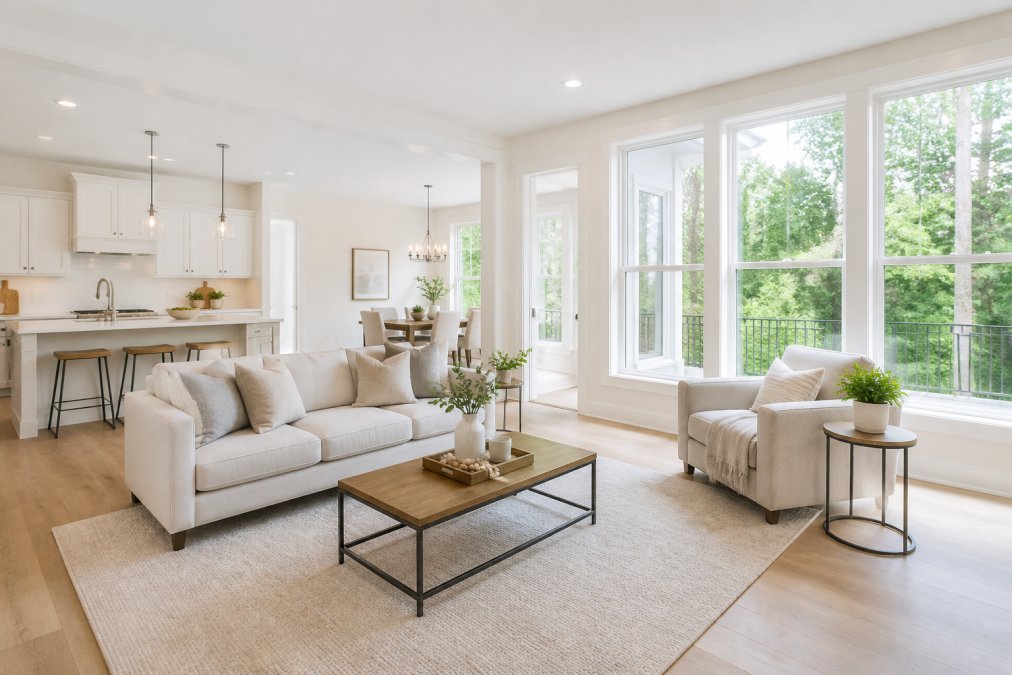
Professional staging services like Showhomes' home staging and management solutions can be valuable, especially for vacant homes or homes with outdated décor. Staged homes often sell faster and for higher prices because buyers can immediately visualize the space's potential.
If you're on a budget, focus on the most visible rooms: master bedroom, kitchen, and living room. These are where buyers spend the most time forming impressions.
6. Boost Curb Appeal to Attract Buyers
Curb appeal is your home's first impression. Buyers form opinions before they step inside, and that opinion influences how they perceive everything they see.
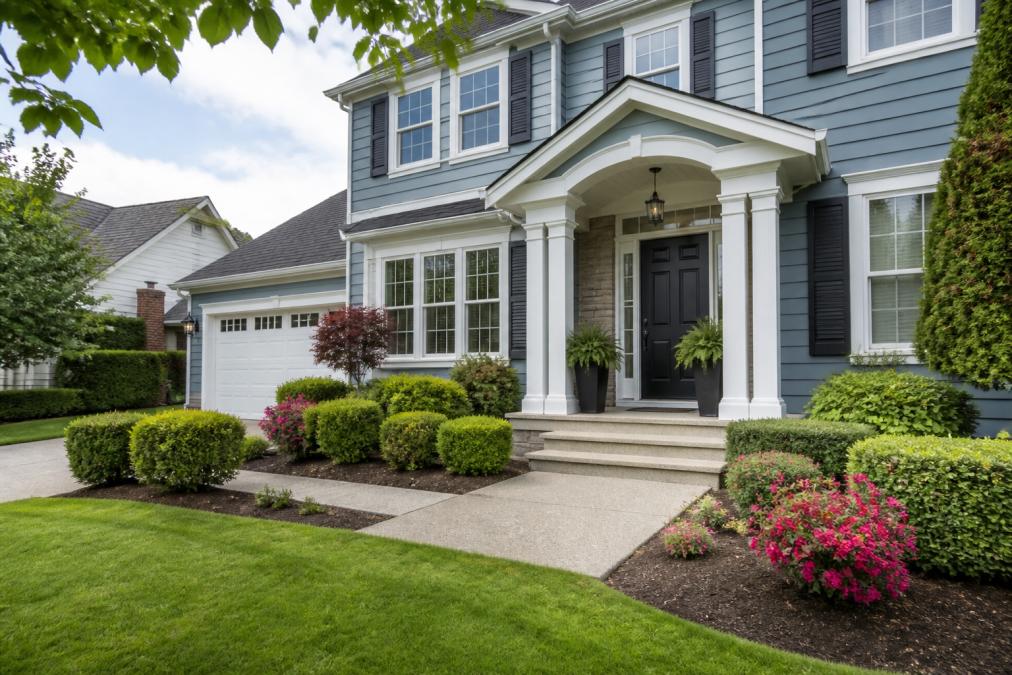
Focus on these high-impact curb appeal improvements:
- Landscaping: Trim hedges and trees. Remove dead plants. Add fresh mulch to garden beds. Plant colorful flowers near the entrance. A well-maintained yard suggests a well-maintained home.
- Driveway and walkway: Pressure wash to remove dirt and algae. Fill cracks with concrete filler. Consider a fresh seal coat if the driveway is old.
- Front entrance: Paint the front door a welcoming color (black, navy, or deep green work well). Replace house numbers if they're faded. Add a new welcome mat and potted plants.
- Exterior paint: If the home's exterior paint is peeling or faded, a fresh coat is worth the investment. Neutral colors, whites, grays, and taupes, appeal to the most buyers.
- Roof and gutters: Clean gutters and downspouts. If the roof looks worn, consider replacement or professional cleaning.
- Lighting: Add outdoor lighting near the entrance and along walkways. Good lighting suggests safety and care.
- Fencing and gates: Repair broken boards. Paint or stain fencing to look fresh.
Services like Curb Appeal Landscape Contractors' landscape design and maintenance specialize in creating the outdoor spaces that attract buyers. Even modest landscaping improvements yield strong returns.
The best ways to prepare home for sale include paying close attention to what buyers see first. A home with poor curb appeal may never get a chance to show its interior strengths.
7. Understanding the Cost of Preparing a Home for Sale
Preparing a home for sale involves various expenses, and understanding the range helps you budget effectively.
Professional services vary widely depending on your market and the scope of work. Deep cleaning services typically range from moderate to higher cost depending on home size. Professional staging can vary significantly based on whether the home is vacant or occupied, and whether furniture rental is included.
DIY improvements like paint, landscaping, and minor repairs are often more budget-friendly. A fresh coat of paint costs less than hiring a professional stager, but may require your time and effort.
Major repairs such as HVAC replacement, roof repair, or plumbing fixes represent larger expenses. However, addressing these before listing prevents buyers from using them as negotiating use.
Photography and virtual staging services are increasingly important in today's market. Professional photos and virtual staging for online listings help attract buyers before they visit in person. Services like BoxBrownie's real estate photo editing and virtual staging offer cost-effective digital solutions.
When budgeting for home sale preparation, prioritize the improvements that yield the highest return on investment: deep cleaning, fresh paint, landscaping, and essential repairs. These typically deliver the most impact relative to cost.
Many sellers find that investing in preparation pays for itself through faster sales and higher offers. A home that's clean, repaired, and well-staged attracts more serious buyers and commands stronger prices.
Preparing your home for sale requires attention to detail and strategic investment, but the payoff is significant. Buyers are looking for homes that feel well-maintained, move-in ready, and emotionally appealing. By focusing on decluttering, deep cleaning, essential repairs, low-cost improvements, and strategic staging, you position your home to compete effectively in the market.
Bernie Krause understands the local East Valley market and can guide you through the entire preparation and selling process. With expertise in what today's buyers are looking for and how to position your home for maximum appeal, Bernie Krause helps sellers achieve faster sales and stronger offers. Whether you need advice on which improvements to prioritize or support managing the entire preparation timeline, reach out to discuss your specific situation and get started on preparing your home for its best presentation.
| Preparation Task | Priority | Impact on Sale |
|---|---|---|
| Deep cleaning | High | Creates positive first impression |
| Essential repairs | High | Prevents negotiation use for buyers |
| Fresh paint | High | Updates appearance cost-effectively |
| Landscaping/curb appeal | High | Attracts buyers before they enter |
| Decluttering | Medium | Helps buyers envision their own items |
| Staging | Medium | Enhances appeal of furnished homes |
| Professional photos | Medium | Attracts online buyers to showings |
| Minor cosmetic updates | Low | Adds polish to move-in-ready feel |
Frequently Asked Questions
What are the most important repairs to make before selling a house?
Focus on repairs that affect safety, functionality, and buyer confidence: roof leaks, foundation issues, electrical problems, plumbing failures, and HVAC system repairs. Address any issues revealed in a pre-sale inspection. Minor cosmetic repairs matter less than structural integrity and systems that work reliably. Buyers often factor repair costs into their offers, so addressing major issues upfront prevents negotiation leverage loss.
How do I declutter for an open house effectively?
Remove 30-50% of personal items, especially family photos, excess furniture, and hobby collections. Clear kitchen counters, bathroom cabinets, and closets, buyers want to envision their own belongings. Pack away seasonal decorations and excess books. Donate or store items that make rooms feel cramped. A decluttered home appears larger and allows buyers to focus on the space itself rather than your personal style.
What is the typical cost of preparing a home for sale?
Costs vary widely based on your home's condition and location. Basic preparation (cleaning, minor repairs, paint) ranges from $500-$2,500. Professional staging, photography, and virtual tours add $1,000-$5,000. Major repairs or renovations can exceed $10,000. Consult with a local real estate agent to prioritize improvements that deliver the best return on investment for your specific market.
Does staging a house actually increase the sale price?
Yes, staging typically increases perceived value and buyer interest. Studies show staged homes sell faster and often for higher prices than unstaged homes. Professional staging highlights your home's best features, creates emotional connections, and helps buyers imagine themselves living there. Even modest staging, decluttering, fresh paint, and strategic furniture placement, can improve listing photos and open house traffic.
What should I not fix before selling my home?
Skip cosmetic upgrades with poor ROI: trendy kitchen backsplashes, expensive flooring, or personal design choices. Avoid major renovations like room additions or complete kitchen overhauls unless your market analysis shows strong returns. Don't make structural changes based on your preferences, buyers have their own vision. Focus instead on repairs that address safety, functionality, and market expectations in your area.
This article was written using GrandRanker