 how-to
FSBO Legal Risks and How to Avoid Them
Table of Contents
- The Real FSBO Legal Risks That Cost Sellers Money
- FSBO Seller Disclosure Form: What You Must Reveal
- FSBO Purchase Agreement: Contract Mistakes to Avoid
- Title Issues, Liens, and Ownership Records
- Pricing Errors and Financial Consequences
- FSBO Legal Checklist: Step-by-Step Document Guide
- FSBO Real Estate Attorney: When and How to Hire One
- Fraud Prevention, Wire-Transfer Safety, and Identity Verification
- Frequently Asked Questions
Last Updated: October 6, 2026
The Real FSBO Legal Risks That Cost Sellers Money
Selling without an agent can save thousands in commission, but it also opens the door to lawsuits, stalled closings, and failed deals.
FSBO, or "for sale by owner," is the practice of selling a property without a listing agent. The seller handles pricing, marketing, showings, and paperwork alone, and that last part is where trouble starts.
The legal side of a home sale is not optional. Federal and state rules apply whether or not you hire help.
What the Data Says About FSBO Outcomes
FSBO sales tend to sell for less and take longer than agent-assisted sales. That gap reflects the legal and pricing mistakes sellers make on their own, many underestimate the paperwork involved, and a single missed form can delay closing by weeks.
The Five Risk Categories Every FSBO Seller Faces
Most FSBO legal problems fall into five buckets:
- Disclosure failures - hiding or forgetting a known defect
- Contract mistakes - vague terms, missing contingencies, bad dates
- Title issues - liens, ownership gaps, unclear records
- Pricing errors - overpricing, then losing use
- Fraud exposure - wire scams, fake buyers, identity theft
Each one is avoidable. None of them are obvious.
FSBO Seller Disclosure Form: What You Must Reveal
The FSBO seller disclosure form is a written statement listing every known defect or issue with the property. Most states require it, delivered before the buyer signs.
What counts as a "known defect"? Anything that could affect the buyer's decision or the home's value. Common examples:
- Water damage or past flooding
- Roof leaks or age
- Foundation cracks
- Pest infestations
- HVAC or plumbing problems
- Neighborhood noise or disputes
- Deaths on the property, in some states
- Environmental hazards such as asbestos, lead-based paint, or radon
- Pending lawsuits, code violations, or unpermitted work
Hiding a defect is misrepresentation, a legal claim, not just a bad review. A buyer who discovers a concealed defect after closing can pursue rescission, damages, or attorney fees, depending on state law and the contract.
State-by-State Disclosure Requirements
Disclosure rules vary by state. Some require a standard form. Others allow a general statement. A few states, like Arizona, use a specific seller property disclosure statement. California requires a Transfer Disclosure Statement (TDS) and a Natural Hazard Disclosure Statement.
You can find your state's rules through the U.S. Department of Housing and Urban Development or your state's real estate commission. Read the actual statute, not a blog summary.
Key differences to check:
- Which defects must be disclosed
- How long the buyer has to object after receiving the disclosure
- Whether "as-is" sales still require disclosure
- Whether the state allows a buyer to waive the disclosure
- Whether the seller must update the disclosure if a new defect is discovered before closing
- Whether the state imposes a specific delivery deadline, such as before the purchase agreement is signed or within a set number of days after acceptance
What Happens If You Miss a Disclosure
A missed disclosure can surface years after closing.
The buyer may then send a demand letter, sue, or seek mediation or arbitration if the contract allows it. Remedies include repair costs, diminished value, rescission, or punitive damages if fraud is proven.
Keep a written record of every repair, inspection, and communication about the property. If a defect surfaces after the disclosure is delivered, update the form in writing and deliver it before closing.
Disclosure Checklist by Property Type
Different property types carry different disclosure risks:
- Inherited homes: disclose the seller's limited knowledge, any probate status, and known defects from the estate.
- Jointly owned homes: confirm all owners sign the disclosure and that any co-owner's knowledge of defects is included.
- Tenant-occupied homes: disclose lease terms, security deposits, tenant rights, and any pending eviction or habitability complaints.
- Distressed or foreclosure properties: disclose known code violations, liens, and whether the property is being sold as-is with limited representations.
Each situation can create authority, consent, or possession complications a standard form may not capture. When in doubt, disclose in writing and keep a copy.
FSBO Purchase Agreement: Contract Mistakes to Avoid
The FSBO purchase agreement is the binding contract between you and the buyer. It sets the price, timeline, contingencies, and what happens if either side backs out. A weak agreement is the fastest way into a legal dispute.
What Every FSBO Purchase Agreement Must Include
At minimum, your contract should spell out:
- Full legal names of both parties
- Property address and legal description
- Sale price and deposit amount
- Closing date and possession date
- Financing terms and appraisal contingency
- Inspection period and repair limits
- Title and survey requirements
- What happens if the deal falls through
Common Contract Mistakes That Lead to Disputes
The mistakes we see most often:
- Missing contingencies, so the buyer can walk for any reason
- Wrong dates, creating a breach by accident
- No written deposit terms, leaving the buyer's money unprotected
- Verbal promises that never make it into the contract
A breach can lead to a lawsuit, a lost deposit, or forced renegotiation.
| Mistake | What Goes Wrong | How to Fix It |
|---|---|---|
| No inspection deadline | Buyer delays forever | Set a firm date in writing |
| Vague repair terms | Dispute over what's covered | List repairs and dollar limits |
| Missing deposit clause | Buyer walks with no penalty | State deposit terms clearly |
| No title contingency | Liens surface at closing | Add title review window |
Title Issues, Liens, and Ownership Records
A title issue is any problem with legal ownership. If the title is not clean, the buyer's lender will not fund the loan.
A title search catches most of these. Order one before you list, not after you have a buyer. If you inherited the home or own it with someone else, confirm every name on the deed is correct.
Pricing Errors and Financial Consequences
Overpricing is the most common FSBO mistake. A home that sits too long gets stale, buyers assume something is wrong, offers come in lower, and you lose negotiating power. Underpricing leaves money on the table and can trigger appraisal issues.
Get a real market analysis before you set a price, comparing recent sales of similar homes rather than asking prices. A pricing error can push your days on market past the point where buyers stop looking.
FSBO Legal Checklist: Step-by-Step Document Guide
This FSBO legal checklist walks you from listing through closing. Use it as your master document list.
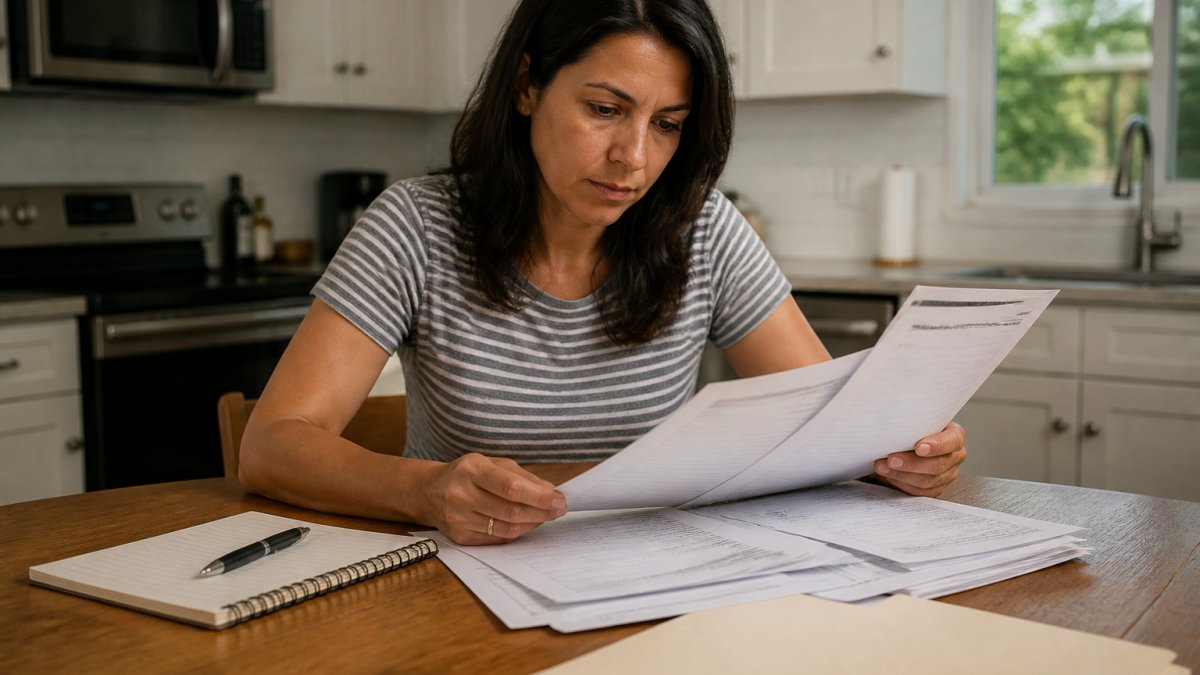
From Listing Through Closing
- Confirm you are on the deed and have authority to sell
- Order a title search
- Prepare the seller disclosure form
- Gather permits, warranties, and repair records
- Draft or review the purchase agreement
- Set inspection and appraisal contingencies
- Verify the buyer's financing in writing
- Review closing documents before signing
- Confirm wire instructions by phone with the title company
Print this list. Check each item off as you go.
FSBO Real Estate Attorney: When and How to Hire One
A FSBO real estate attorney reviews your contract, disclosures, and closing documents for a flat fee or hourly rate. You do not need one for the whole sale, but you need one for the risky parts, the key is structuring limited-scope help so you get legal review without paying for full-service representation.
When to bring in an attorney:
- Before you sign any purchase agreement
- If the property has title problems
- If you inherited the home or share ownership
- If a buyer threatens a dispute
- If the buyer is using a non-standard contract or addendum
- If the transaction involves seller financing, a lease-option, or a land contract
- If the property is in a state with attorney-conducted closings, such as New York, New Jersey, or Massachusetts
Reducing Risk with Attorney Review
Limited-scope help is the smart middle ground: you handle marketing and showings, the attorney handles the paperwork. This is sometimes called "unbundled" legal services, and many state bar associations allow it if the attorney and client agree in writing on the scope.
Ask for a flat-fee review of your contract and disclosure form. It costs far less than a full commission and covers the biggest legal gaps. A typical flat-fee review might include:
- Reviewing the purchase agreement and suggesting changes
- Reviewing the seller disclosure form for completeness
- Reviewing the title commitment and flagging exceptions
- Reviewing closing documents before signing
- Advising on wire instructions and fraud prevention
Hourly rates vary widely by market and experience. A limited-scope review often costs a few hundred dollars, while full representation for a contested matter can run into thousands.
What to Ask Before You Hire
A short consultation can save you from a mismatched engagement. Ask:
- What is included in the flat fee, and what is billed hourly?
- Who will handle the closing: the attorney, a paralegal, or the title company?
- Does the attorney carry malpractice insurance?
- How will you communicate, and what is the expected turnaround time?
- Have you handled FSBO transactions in this state and county?
Get the scope in writing. A clear engagement letter protects both sides and prevents surprise bills.
When an Attorney Is Not Enough
An attorney review reduces risk, but it does not eliminate it. If a dispute arises after closing, you may need litigation counsel, mediation, or arbitration. The purchase agreement often dictates which path applies. Review those dispute-resolution clauses before you sign, not after a problem appears.
Consumer Financial Protection Bureau closing guide
Fraud Prevention, Wire-Transfer Safety, and Identity Verification
Real estate wire fraud is a growing problem: scammers intercept emails, pose as the title company, and send fake wire instructions. The money disappears.
Protect yourself:
- Never trust wire instructions sent by email alone
- Call the title company at a number you looked up yourself
- Verify the buyer's identity with photo ID
- Use a secure portal for sharing documents
- Watch for rushed or unusual requests
Identity verification protects both sides, a buyer using a fake name can stall the sale or commit fraud.
Selling on your own is possible, but the legal side is where most sellers get stuck. Missed disclosures, weak contracts, and title surprises can cost far more than an agent's fee.
Frequently Asked Questions
What are the legal risks of selling a home FSBO?
FSBO sellers face risks including disclosure failures, contract mistakes, title issues, and pricing errors. Without an agent, you are responsible for complying with state and federal laws. Common problems include misrepresenting property condition, using an incomplete purchase agreement, and missing required disclosures. These can lead to lawsuits, financial loss, or a failed sale. A real estate attorney can review your paperwork to reduce these risks.
What disclosures are required when selling a home without a real estate agent?
Required disclosures vary by state but typically include known defects, lead-based paint (for homes built before 1978), and material facts affecting value. You must complete an FSBO seller disclosure form accurately. Some states require specific forms like a property condition disclosure statement. Failing to disclose can result in misrepresentation claims. Consult a local real estate attorney to ensure you meet all requirements.
Can a FSBO seller write their own purchase agreement?
Yes, but it is risky. A purchase agreement is a legally binding contract. Missing key terms like contingencies, closing date, or financing details can cause disputes. Many sellers use standard state-approved forms or hire an attorney to draft or review the contract. An FSBO real estate attorney can help you avoid contract mistakes that lead to breach of contract claims.
How can FSBO sellers avoid contract mistakes?
Use a comprehensive FSBO legal checklist. Include all necessary disclosures, use a state-approved purchase agreement, and verify title and liens. Set clear contingencies for inspection and financing. Communicate with buyers in writing. Have an attorney review all documents before signing. Following these steps reduces the chance of contract breaches and legal disputes.